Oysters, Embers and a Garden Out Back: A Night at Crizia in Palermo Hollywood
The restaurant that taught Buenos Aires to eat fish now holds one of the country's first Michelin stars. Here is how to do it right, from the first oyster to the last ember.
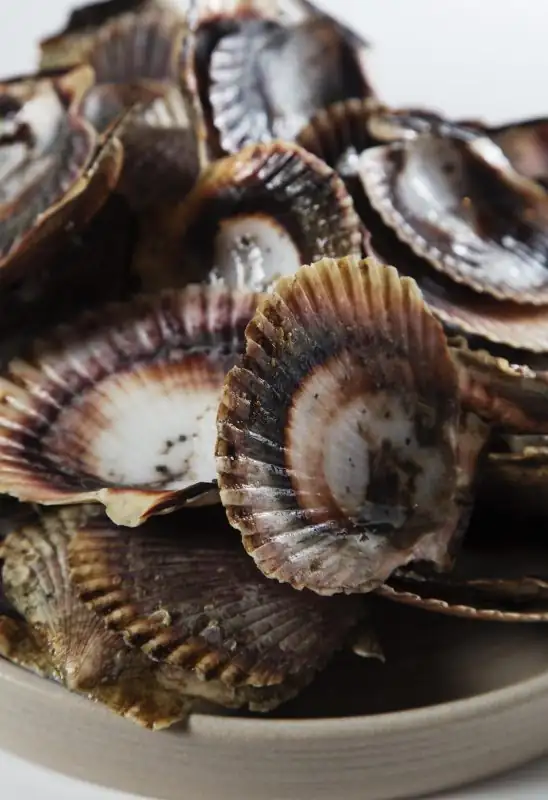
Start with the oysters, because Crizia did. Gabriel Oggero and Geri Gastaldo opened this place in 2004 as an oyster bar in a city that did not really eat them, and the Patagonian oysters are still the best opening move on the menu: cold, briny, faintly sweet, from the cold water of the South Atlantic. Have them with a glass of Argentine sparkling wine from the list and let the evening find its pace.
The restaurant is on Fitz Roy in Palermo Hollywood, the part of the neighbourhood where the good bars and the small design studios are, and inside it is warm and handsome and slightly loud in the way of a room where people are enjoying themselves. At the back, the fire. The kitchen cooks over wood and charcoal, and once you have seen the grill you understand the menu: fish from small boats, vegetables from the restaurant's own garden, and meat, when you want it, all touched by the same flame.
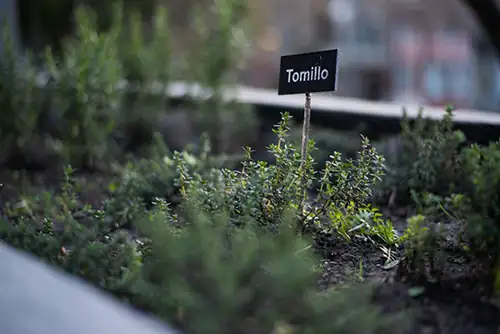
There is a step-by-step tasting menu, which is the way to go on a first visit, and a carte for those who know what they want. On my visit the tasting went from the oysters to a raw fish with a citrus of the season, to a whole sole grilled on the embers with an herb butter from the garden, to a leek charred black outside and soft as cream within, to a cut of beef with a crust that cracked like bread. Then a dessert built around fruit from the garden and a little burnt honey. Every course tasted of smoke in a different register, and none of them tasted of it too much.
The garden, which you can ask to see, is a real one: raised beds behind the restaurant where herbs, leeks, beets and the fruit for dessert grow through the seasons. It is not decoration. What is picked in the morning is on the plate that night, and if you are there in the right month the tomatoes alone are worth the visit. The staff are proud of it and will happily walk you out with a glass in hand between courses.
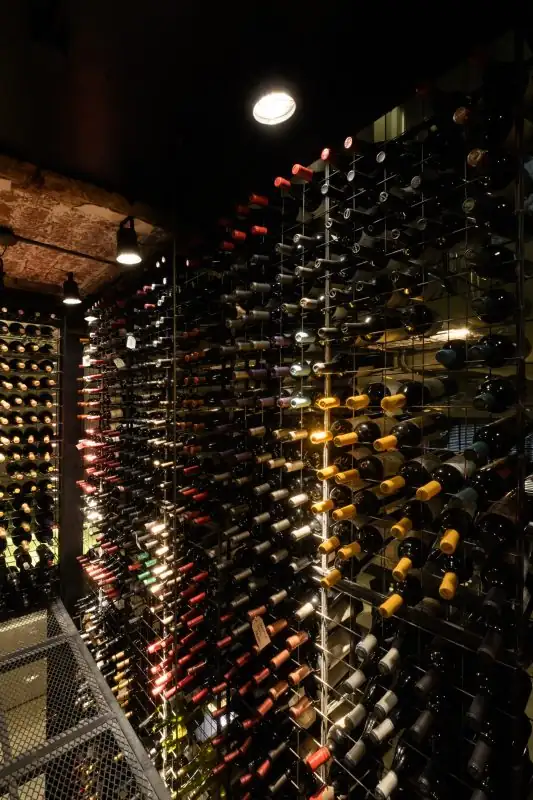
For the wine, the list is one of the more interesting in the city precisely because it does not stop at Malbec. There are whites from Salta grown at heights that most vineyards in the world never reach, reds from the cold south of Patagonia that suit the fish, and a page of sparkling wines that go beautifully with the oysters. Ask for a pairing with the tasting menu and you will travel the whole country by the glass.
What to drink: the list goes deep into Argentina and gets interesting quickly. Ask for a white from the high valleys of Salta or a red from Patagonia to go with the fish; the sommelier is used to steering beef-country visitors toward the coast. What to ask for: a table near the grill if you like to watch, and one away from it if you like to talk. What to bring: friends. The dishes are generous and the mood is convivial.
Practicalities: reservations through the restaurant's website, and book ahead now that the Michelin star, awarded in the country's first guide, has brought the world to the door. Dinner is the main service. Prices are those of a serious restaurant and remain, for visitors paying in dollars or euros, remarkably gentle for what arrives on the plate. Smart casual. Allow two and a half hours.
Leave with this thought: in a city that thinks of itself as a steakhouse, a chef spent twenty years proving that the sea and the garden deserved the same fire, and the city agreed. The oysters on the first plate and the embers on the last are the beginning and end of that story, and you can eat the whole of it in an evening.