Chefs Are Rewriting the Recipe for a Climate-Resilient Future
Modern chefs are far more than food creators; they are frontline climate leaders.
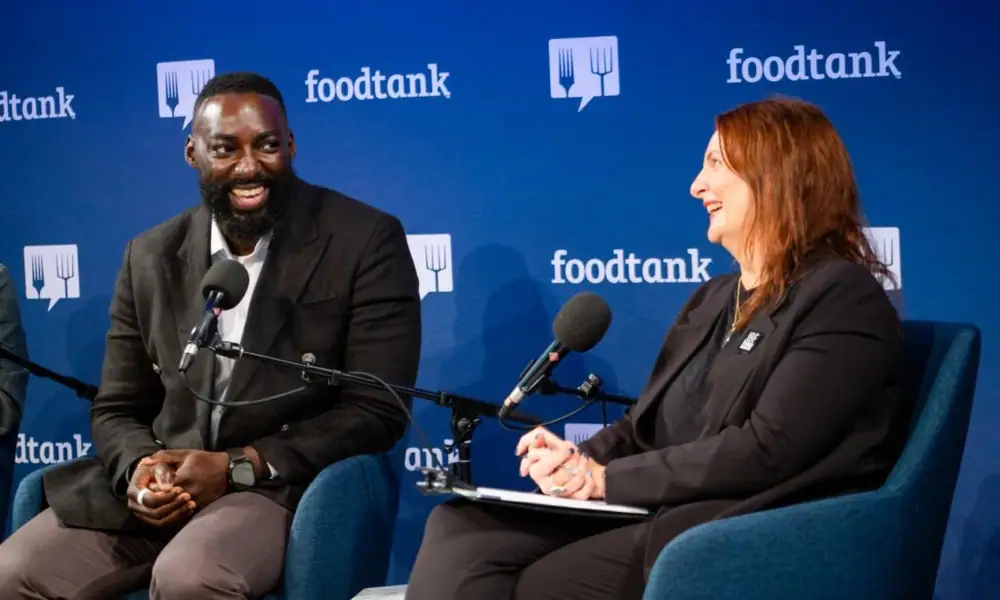
“These young American chefs said, ‘we can grow this food here.’ The growth of the farmers’ market movement, I think it comes directly from people going to restaurants and saying, ‘we can get this food [at home too].’”
While many chefs today are highly engaged in public discourse and activism, this wasn’t always the case. “I grew up in an era before you knew the name of a chef. Now, he crushes wine bottles and turns them into dinnerware. “It’s not just what’s on the plate; we can actually make plates,” states Rubba.
Storytelling is really important.” Journalists like Fabricant and Reichl play a critical role in bridging this gap, states Anne McBride, VP of Programs at James Beard Foundation: “So much of action needs to come from messaging…Make sure we have these really urgent messages in a way that is palatable.” “There’s only so many people you can reach by cookery for them. According to There’s so many more by writing for them,”, melissa Clark, Food Writer, Cookbook Author, and Columnist at The Finally, Liz Neumark, Founder and CEO of Great Performances, advises those working in the culinary and hospitality industries not to forget about the power of connection.
Especially as political divides become deeper in the United States and globally, listening to those who see the world differently is a powerful act. “Right now, the biggest job for us is finding those moments of hope,” explains Neumark. “We have to see other people, we have to listen to them.” And, of course, food itself is a universal connector, explains Samantha Sackin, VP of Marketing at Organic Valley. Can we please count on you to be part of our growing movement?
- Who: Food Tank · James Beard Foundation · Organic Valley