Turtleback Cookies: Alabama’s Almost-Lost Recipe
Assuming it was just a part of the local culture that my dad had forgotten to teach me about his native state—like the famous Alabama and Auburn football rivalry—I ordered two and left.
“William Henry Traeger changed trains in Demopolis on his way to Meridian, Mississippi, and saw a bakery for sale. He returned to buy it and spent a lifetime in Demopolis,”
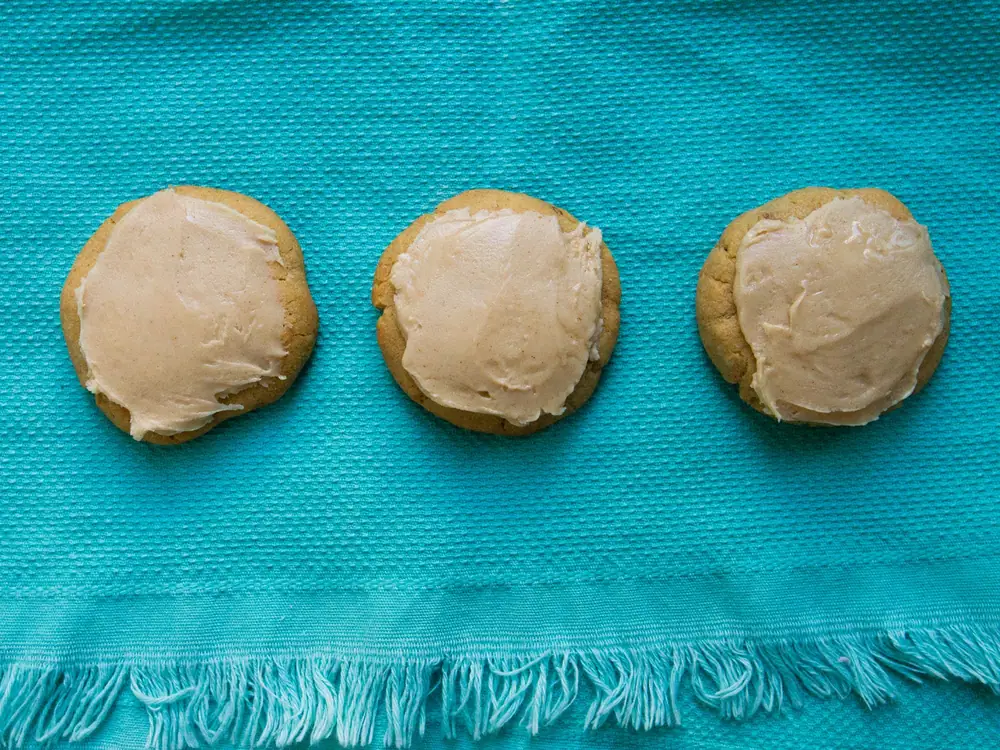
The candy-sweet icing crackled as I took a bite. It was crisp on the outside, soft on the inside, and fragrant with warm spices; I was hooked.
Few people outside of Demopolis, a small town in the rural Black Belt region, know about turtlebacks. The beloved local business threw open its doors around 1926, back in the days when all of downtown’s abandoned storefronts were still occupied. “William Henry Traeger changed trains in Demopolis on his way to Meridian, Mississippi, and saw a bakery for sell-off.
Traeger, Jr. in The Heritage of Marengo County (Heritage Publishing Consultants, 2000). Yet it was William Jr.’s turtleback that the people of Demopolis remember most.
Over the years pecans became the standard addition in Demopolis, where pecan trees grow in backyards. They’re always finished with the same caramel icing, glossy and marked by a defiant Southern sweetness.
The couple divested the bakery in 1993, and the building and its recipes tragically burned down a few years later. By then, though, the people of Demopolis were obsessed.
Traeger that he had just made the best batch yet. “They’re not quite the same,” she states. “But people keep trying.” I like to think my version gets pretty close.
- Who: Alabama · William Jr