BREAKING: Soli Organic secures $125m to grow soil-based vertical farming across the US
Soli Organic has secured $125 million in Series D backing to expand its indoor soil-based vertical farming operation across the US.
“We literally build our own [fertilizer] carbon-free by taking waste streams and turning them into fertilizer. That’s our secret sauce. And the plants themselves sequester carbon.”
According to Climate-focused global funding group CDPQ led the round, which Soli Organic, “signals the sustained and immense confidence in the Soli Organic model.” European backing company Movendo Capital, B.V. in addition participated, along with existing backers S2G Ventures , Cascade Asset Management Company and XPV Water Partners . Financing will support construction of additional Soli Organic controlled environment estates “in strategic locations” around the US.
On background: Founded in 1989 as Shenandoah Growers, Virginia-based Soli Organic holds roughly 35% of the marketplace for organic culinary herbs. In recent years, the business has transitioned many of its outdoor growing systems to vertical farming environments indoors.
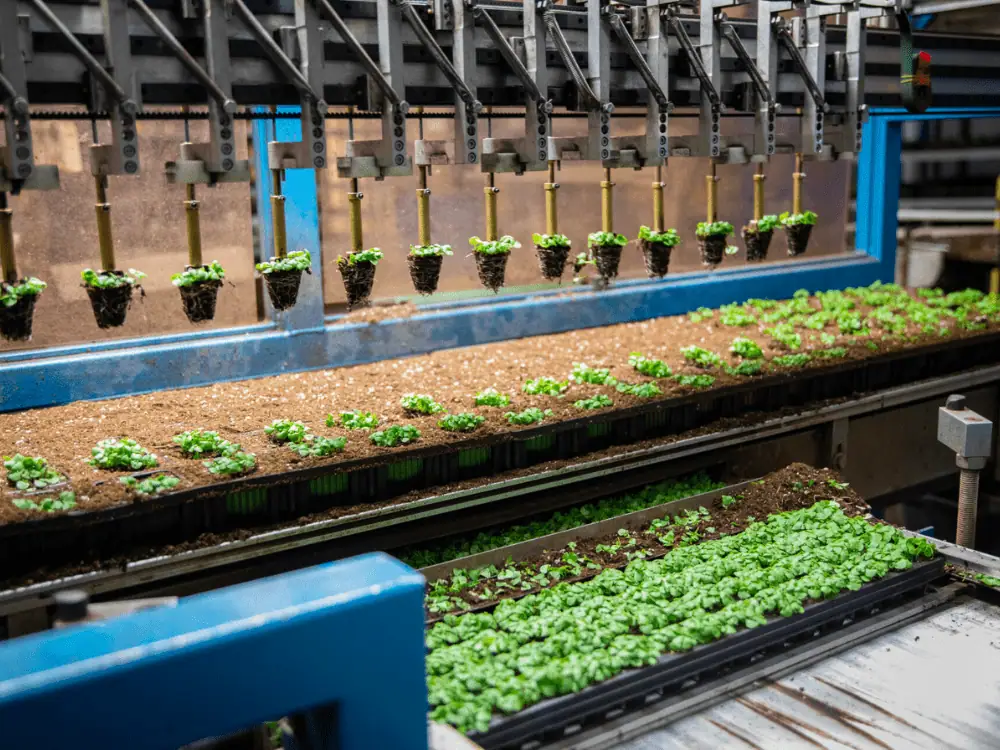
Soli Organic uses a soil-based system for these vertical holdings. This is a major differentiator from most other vertical farming firms nowadays that grow produce via soil-less hydroponic systems .
CEO Matt Ryan tells AFN the soil-based system is part of the reason the business received this round of financing. “The cost we were able to prove was 30% less growing inside in soil versus growing in the field,” he states. “There’s no way that we’ve seen anything like that from hydroponics out there.” Soli Organic right now operates seven growing facilities around the US. Why it matters: Soil-based vertical farming has several benefits over hydroponics, going to Ryan. “Growing in soil indoors is frankly harder to do but the benefits are twofold,” he states. Cost is the leading one. “It seems counterintuitive, but you have to think about how plants grow when they grow in soil.
The plant puts its energy into growing a useful green product on top instead of root balls [common with hydroponic farming]. As a result, all the energy and resource use goes into the actual sellable part of the product.” Growing plants with hydroponics often requires less space, and Ryan admits that water is harder to move around a facility with soil.
That said, a soil-based system has to contend less with plant-borne illnesses than hydroponic systems, he explains. For example, one reason spinach is so difficult to grow hydroponically is its susceptibility to a water-borne pathogen that attacks the plant’s roots.
And the plants themselves sequester carbon.” It’s this soil-based growing that as well allows Soli Organic to grow a consistent product, states Ryan, whose past includes time at Starbucks and Disney. “[Product consistency] happens in the entertainment business and with every other category, where somebody figures out how to deliver something consistently that’s relevant and differentiated. Part of the reason he transitioned to Soli Organics was to bring his experience building this product consistency to the produce category.
Future expansion: The Series D funding will support advance towards a total of 15 farms across the US. Ryan states the firm will shift “a large portion” of its growing to these indoor vertical farms next year.
Within two years, Soli Organic plans for the vast majority of its produce to be grown inside these soil-based indoor systems. Soli Organic is currently identifying sites for its next farms in the Midwest and Northeast. Eventually, the business plans to grow plantings besides leafy greens and herbs, though for now it will continue to focus on those core plantings.
Going to Without naming specific plants, Ryan, soli Organic is considering other crops in its “three to five-year plan.” “We’re not going to be growing banana trees or anything like that, but there are a number of crops that are completely addressable by our technology because basically anything that can grow in soil can grow in our indoor facilities.”
- Who: Soli Organic
- Money: $125 million
- Percentages: 35% · 30%
- Figures: 125 million · 35% · 30%