The Most Foolproof Ways to Toast Nuts to Your Liking
Matt Taylor-Gross There are simple tasks that many of us pick up along the way.
“Even if you want to end up with chopped nuts, roast them whole whenever possible,”
A parent or grandparent may teach you how to tell when a cake is done baking. And if you’re very lucky (or just committed), you might make it to adulthood knowing how to put a nice meal in front of yourself and your loved ones.
If you’ve tried your hand at toasting nuts and scorched them to a bitter and expensive mess while multitasking the rest of dinner, you might throw up your hands and leave that step out for the rest of your nut-eating days. If a method calls for toasted nuts and doesn’t tell you how to do it, we’ve got you covered.
It’s not necessary and it could change not only the flavor of the nut but the way it is used in a method. Impatience is to blame for lots of batches of burned nuts, so keep the heat source on the low side whether it’s your oven or stovetop (see below for specific temperatures). How to Test for Doneness Scent should be your first cue: Most nuts will start to become fragrant when they’ve had a few minutes of heat applied to them.
Usually by the time you smell this, they are close to ready. (Watch our for burning smells, which mean you may have overdone it or the nuts need a good stir or shake in the pan.) When you break open or chop a perfectly toasted nut, the inside should not be fully browned throughout. A thin layer of golden around the edges and radiating from the outside—which will lend the slightest bit of toastiness—is enough to properly enhance a nut’s savor and texture.
If you want to go further than that, continue cookery cautiously and remember that the more toasted a nut will be, the more its taste will dominate a dish, and the more brittle it will become. Hazelnuts, for example, will start to loosen their skins when they are toasted, or it will be easier to rub off using your fingers. Walnuts Matt Taylor-Gross How to Toast Nuts in the Oven (or Toaster Oven) Preheat the oven to 325°F.
Transfer the baking sheet to the oven and bake until the nuts are just fragrant and ever so slightly browned, about 5–8 minutes, depending on the size and type of the nut. The nuts on the edges of the pan or near hot spots in your oven will likely cook faster, so give all of the nuts every 2 minutes or so. How to Toast Nuts on the Stovetop When time or the climate keeps you from wanting to turn on the oven (or when the oven is otherwise occupied), toasting nuts on the stovetop works just as well.
Cook, stirring gently and often until the nuts are fragrant and evenly, lightly toasted, about 3–6 minutes depending on the size and type of the nut. As the pan heats up, the nuts will be prone to scorching and they can go from raw to burned in seconds.
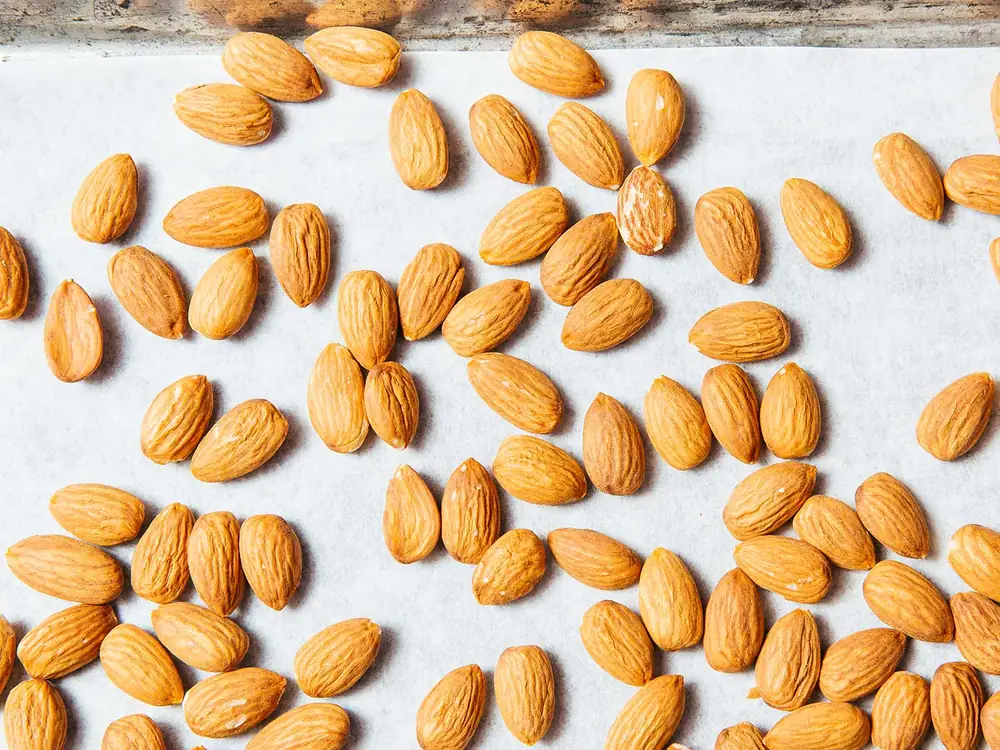
Almonds Matt Taylor-Gross How to Store and Use Toasted Nuts Once you’ve toasted your nuts—this is important—immediately transfer them to a cool, heat-resistant bowl or container. For most applications, you will want to cool them completely before using them in a dish to allow the fats to resolidify, returning the nuts’ satisfying crunch. This happens quickly, but if you’re pressed for time, spread them out in a single layer on a cool surface to speed up the process.
If you’re not using the toasted nuts right away, transfer them completely cooled to an airtight container and store at room temperature for up to 2 weeks.
- Who: Toast Nuts · Matt Taylor-Gross There