New Dutch Dietary Guidelines Recommend Consuming More Legumes & Less Meat - vegconomist
New dietary guidelines published by the Dutch Health Council have recommended consuming a more plant-based and less animal-based diet.
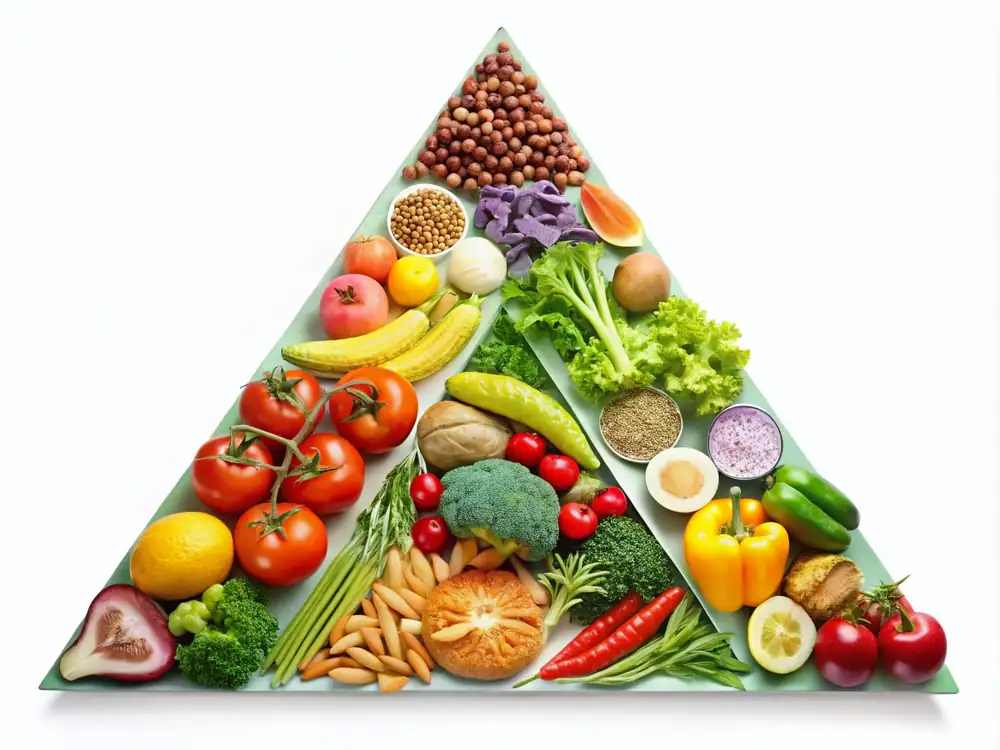
The guidelines advise Dutch people to eat less red and processed meat, along with more legumes and unsalted nuts. Specifically, they say that 60% of the protein in a person’s diet should come from plant-based sources.
Currently, the opposite is true and 60% of protein in the Dutch diet is animal-derived. According to the recommendations, 250 grams of legumes should be consumed per week, and 15 to 30 grams of unsalted nuts should be eaten each day.
Processed meat must be minimised as much as possible, while red meat should be limited to 200 grams per week. Plant-based meat and dairy alternatives are mentioned, but there is no specific rule regarding how much can be consumed.
The guidelines say that these products can fit into a healthy diet, but the extent to which they do depends on the rest of the diet. Though plant-forward nutrition is recommended, people are advised to consume a few servings of dairy per day, along with 100 grams of fish per week.
Reducing chronic disease and greenhouse gas emissions
Recommendations regarding grain products, vegetables, and fruits have not yet been updated and will follow in a later advisory report. For now, the previous version of the guidelines, published in 2015, will continue to apply.
This recommends consuming at least 200 grams of vegetables and 200 grams of fruit daily, along with a minimum of 90 grams of wholegrain products. Soft margarines and vegetable oils should be chosen instead of butter and hard margarines, while sugary drinks, salt, and alcohol should be minimised. Over the past two years, several other European countries have also updated their dietary guidelines to advise consuming a mostly plant-based diet.
Germany now recommends eating at least 75% plant-based, while Norway suggests choosing mostly plant-based foods and limiting red and processed meat consumption. Furthermore, Belgium advises eating legumes several times per week and avoiding processed meat as much as possible. The Netherlands’ revised recommendations are in line with the Health Council advisory report “Healthy Protein Transition,” which was published in 2023.
A shift towards more plant-based diets could reportedly reduce the risk of chronic diseases such as coronary heart disease, type 2 diabetes, and various forms of cancer, while also reducing greenhouse gas emissions and biodiversity loss.
- Who: Dutch · Dutch Health Council
- Percentages: 60% · 75%
- Figures: 60% · 75%