These Cane Spirits Are Not Your Typical Rums
Shannon Mustipher is a rum expert, cocktail consultant, and the author of TIKI: Modern Tropical Cocktails (Rizzoli, 2019). When she is not enjoying mixed drinks and sparkling wine, she is likely cookery and collecting "too many books.".
“agricole’’ rum (the name-protected designation is reserved for cane spirits from French Caribbean territories). This style is referred to by locals as aguardiente (”
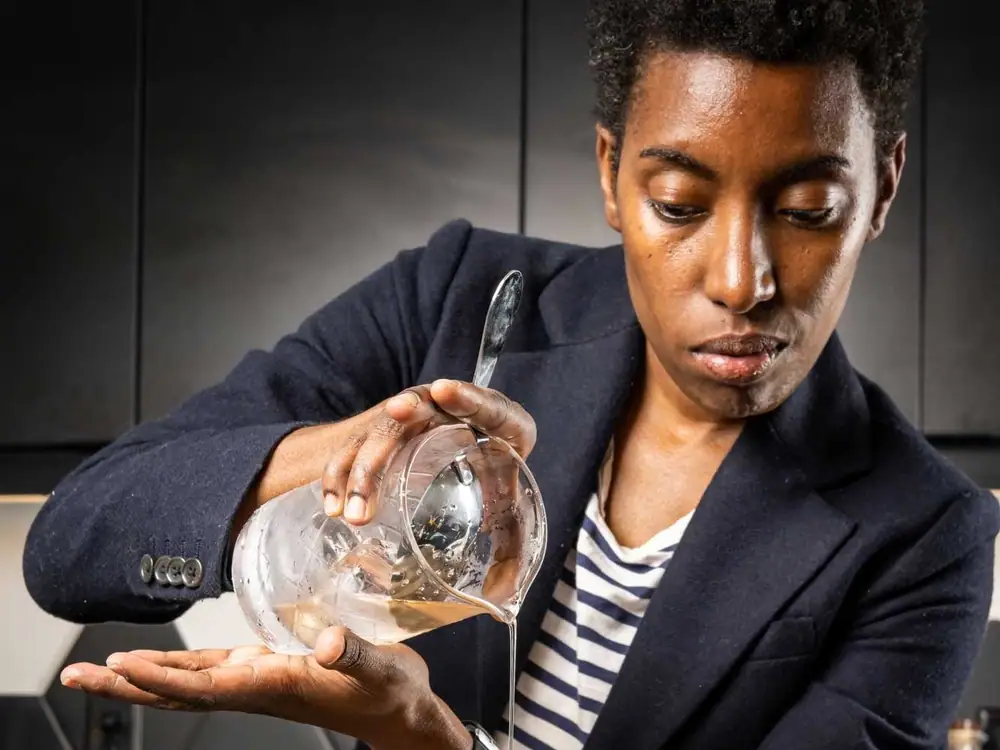
Jose Perreira Shannon Mustipher is a rum expert, cocktail consultant, and the author of TIKI: Modern Tropical Cocktails (Rizzoli, 2019). When she is not enjoying mixed drinks and sparkling wine, she is likely cookery and collecting “too many books.” Jose Perreira In 2014, I became the beverage director of what would become Glady’s Caribbean , a rum bar that has since ceased trading indefinitely due to the COVID-19 pandemic.
On top of learning how to make tropical cocktails , i had a month to taste hundreds of rums to create a backbar of 50. I learned quickly that rum is not only a sprawling, diverse category (made in 90-plus countries all over the world), but when handled the right way, it as well makes for outrageously delicious cocktails. This recipe is adapted from TIKI: Modern Tropical Cocktails (Rizzoli, 2019), by Shannon Mustipher.
Get the method for Tour le Carbet Cocktail » Noah Fecks A Brief History of Rum Production The earliest stories of spirits distilled from fresh cane juice—aguardiente, cachaça, clairin, and rum—started not in the Caribbean, but in Madeira, an autonomous region of Portugal and the birthplace of the modern sugar trade. (It is said that Infante D. Henrique brought the first sugarcane over to Madeira from Sicily .) When the Portuguese arrived in Brazil in the early 16th century, they discovered excellent conditions for sugar cultivation and installed massive plantations, thereby introducing the harvest to the New World.
The spirits distilled as a part of this enterprise eventually assumed their own identity as cachaça, which is made from sugarcane juice and is typically around 40 percent ABV. That said, thanks to the work of intrepid importers keen to discover and marketplace rums that are expressions of place, and adventurous bartenders seeking to incorporate bold and unexpected flavors into their repertoire, there is now a growing interest in older, less commercialized styles of production.
If you are new to spirits distilled from sugar cane, the first question that may come to mind is: Where to start? Here are a few bottles of note, ranging from those that have hardly deviated from their rustic origins to others crafted in such a way to win the attention of high-end whiskey and cognac fans. Paranubes Rum Paranubes Check Price 54% ABV, Mexico Produced in Oaxaca, the same region famous for mezcal, this is a pitch-perfect example of what distinguishes rums made from fresh cane juice from their molasses-based counterparts.
Paranubes is not technically an “agricole’’ rum (the name-protected designation is reserved for cane spirits from French Caribbean territories). This style is referred to by locals as aguardiente (”burning water,” or “firewater”), a catch-all term for unaged spirits distilled from fruits—or in this case, sugar cane.
The vats are emptied gradually, and topped off with fresh juice to replace what is removed (akin to techniques used in the maturation of brandies). Add to this pot distillation, which further concentrates the liquid’s deep, “slow-cooked” taste. You get what rum lovers long for: a bold, expressive spirit that points back to the base material’s place of origin.
Clairin Le Rocher Clairin Le Rocher Check Price 46.5% ABV, Haiti Haiti is not only dazzlingly beautiful—some of its beaches are bounded by steep, dramatic cliff faces rivaling those in Capetown—it is also the only country that makes clairin, a style of rum that has seen scant alteration since the 18th century. Per to Liquid from a previous distillation is, to the wash to enhance potency and taste, a technique in addition used in traditional Jamaican rum production.
HSE VSOP Martinique Rum HSE Check Price 45% ABV, Martinique Rhum agricole, which is produced most notably on Martinique, Guadeloupe, and Marie-Galante, boasts some of the most elegant savor profiles of all the rum categories. This one I prefer to enjoy on its own—unless, of course, I have the time to pair it with a cigar (my favorite way to enjoy a good rum).