The Jiggly Rise of Japanese Taiwanese Castella Cake
A whiff of eggy batter, a warm cloud whooshing past my face, and a wake of steam—this is the scene I relish each time I queue up as bakers slide meter-long cakes out of an oven, slice them hot, then deftly flump the jiggling pieces into paper takeaway boxes. Castella, an ultra-aerated sponge cake, is eaten throughout E…
“[They] would have repeatedly prodded the mixture with bamboo picks to keep air pockets from forming, and to ensure even baking,”
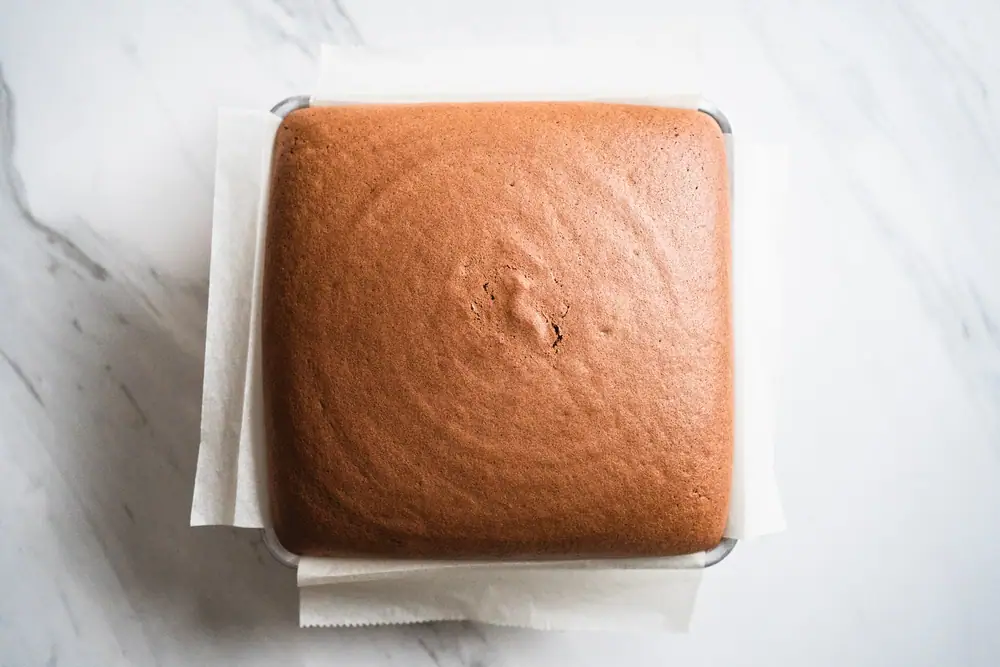
Wherever it’s sold, it’s made with the simple building baking blocks—flour, sugar, and eggs—folded together then baked at a gentle 325 degrees Fahrenheit until the batter reaches heights to which other sponge cakes can only aspire. Owing to its slow bake and the physical leavening from whipped egg whites (as opposed to chemicals like baking powder or baking soda), it is softer and more supple than any pan di spagna, genoise, or chiffon. Castella’s texture is more pillow than sponge, its constitution more cloud than cake.
That fluff factor does vary a bit depending on where you are: a souffle-like style hails from Taiwan and a denser version can be found in Japan. According to culinary anthropologists and writers such as Hirano Kumiko and J. M.
Eylenbosch, both renditions share a common ancestor in the 16th-century pão de Castela (bread of Castile), which itself is said to be a progenitor of pão de ló, an eggy sponge cake enjoyed on Christmas, Easter, and other special occasions in Portugal. How did a medieval Portuguese confection end up as one of East Asia’s trendiest 21st century desserts, you ask?
To answer that question, we have to travel back to the 1540s. As the empires of Europe raced to circumnavigate the world, Portugal became the first European country to reach Japan.
While the modus operandi of most European powers at the time was to conquer and colonize, in light of Japan’s military might, the Portuguese chose commerce and religious conversion, instead. Notable Portuguese traders and missionaries like António da Mota and Francis Xavier introduced goods and ideologies to the Japanese islands, from guns and tobacco to Catholicism and Western culinary techniques--including recipes for European-style cakes and pastries.
Attempting to recreate Castellas had one big challenge, however: Ovens weren’t used by Japanese cooks. But, as Tokyo-based food writer Florentyna Leow explains, resourceful local bakers invented a cylindrical, coal-fired kiln called a hiki gama for the express purpose of baking the airy dessert. “[They] would have repeatedly prodded the mixture with bamboo picks to keep air pockets from forming, and to ensure even baking,” notes Leow of the labor-intensive process. The next caveat?
During the isolationist Sakoku period (1639-1853), the Japanese shogunate expelled the Portuguese and severely limited trade with the outside world--except for with the Dutch. Recognizing the island nation’s increasing demand for sugar (which rose following the slow proliferation of European-style cooking and introduction to Portuguese sweets), Dutch traders began importing shiploads of the sweet stuff through the ports of Nagasaki.
Soon, sugar came to be one of Japan’s most treasured luxuries, frequently gifted and even used as currency. As a widespread craze for confectionery grew, so did the Japanese taste for Castella cakes.
While Nagasaki-based brands like Bunmeido and Fukusaya spread the cult of Castella across Japan, the Taiwanese blazed their own path, storming the fast-moving, fad-loving food scenes of Asia with bakery chains like Le Castella and OriginalCake. By the turn of the millenium, Castella cakes baked into enormous pillowy slabs marked the next step in the cake’s journey.
From there, they were riffed on even further. Bansuk Castella in South Korea garnered instant Instagram fandom with its gooey tear-apart Castellas; Grand Castella in the Philippines added pockets of oozing cheddar; and brands like Malaysia’s Ah Mah bakery and Singapore’s BreadTalk imbued theirs with irresistible local flavorings like pandan and salted egg. You could say the cake sensation is on the tail end of its viral streak: The lines that used to snake around the block at every new outlet have dwindled, and many of the Castella shops around my city of Kuala Lumpur have shuttered, in part due to the COVID-19 pandemic.
But the dessert may have found a new lease on life online. Influencers like Bread Face and Cooking with Dog have used Castella cakes as a source of unexpected food fetishizing, while ASMR cooking channels on YouTube like Emojoie Cuisine and MoLaLa Cook enrapture new audiences with the sounds of plopping batter and hissing hot cakes. While I can’t recreate the sheet tray-wide Castellas from my neighborhood Yuan Taste bakery in my own teensy urban oven, I’ve found that a scaled-down version is almost as satisfying.
When I take a bite, I like to think about the cake’s multifaceted history and luxuriate in the soft, jiggly comfort of this nostalgic treat. Its appeal seems to be universal—and forever reaching new heights.
- Who: Castella · Japanese · Taiwanese