Sear the minced meat without moving it: the step that makes all the difference
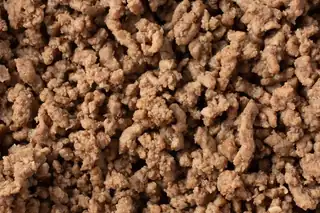
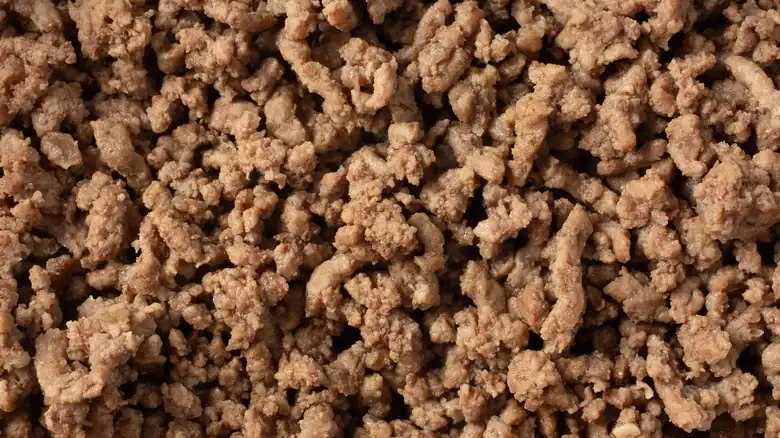
One step that is often overlooked, searing the minced meat until it browns, adds more flavor to the meat.
The golden crust, whether on ground meat, a good steak, or French fries, comes from the Maillard reaction: a chemical reaction between amino acids and reducing sugars that gives food its golden color and enhances its aromas and flavor. For the cook, it's a way to flavor the meat even before adding herbs and spices. Furthermore, the brown bits that stick to the pan are full of flavor: it's a good idea to brown the meat, remove it, and sauté the herbs in those bits before returning it to the pan.
For a good sear, patience is key: the meat should remain undisturbed for at least three minutes, because moving it from the beginning prevents a crust from forming. The pan should be very hot before adding the meat.
When ground beef doesn't brown and turns grayish, the most common cause is overcrowding the pan. Meat releases moisture as it heats up, and if there's too much, the temperature drops and the liquid doesn't evaporate: a layer of boiling liquid forms, and the meat steams. That's why it's best to cook it in batches.
Since moisture is the main enemy of the Maillard reaction, it's also a good idea to pat the meat dry with paper towels before searing it, and to dry the other side while the first one cooks. Salting works differently than with a steak: ground meat has a much larger surface area, so the salt draws out more moisture, causing the meat to steam rather than brown. In hamburgers, salting beforehand can break down muscle proteins and give them an elastic, sausage-like texture. Therefore, with ground meat, it's best to salt it just before cooking or once it's already browned.