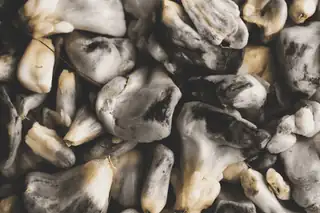
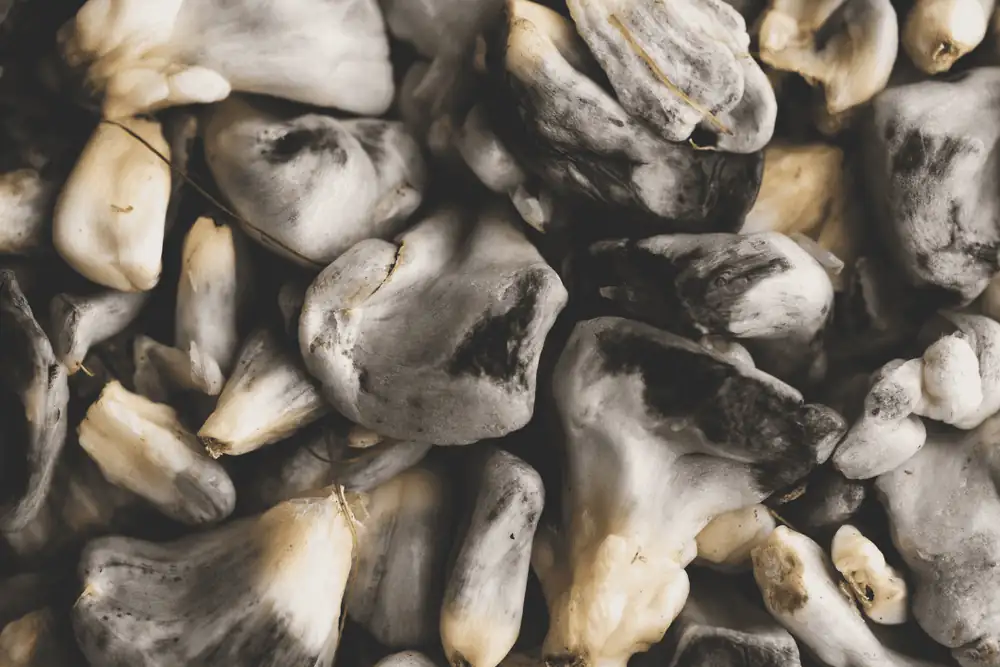
Huitlacoche, the corn fungus that Mexico celebrates while Europe usually destroys the harvest
That gray fungus that sprouts on ears of corn is, for Mexican gastronomy, a top-quality food and is reminiscent of the black truffle.
A farmer who discovers those slimy, grayish-black bumps on his ears of corn reacts with annoyance or delight, depending on his country of origin. While Europeans indifferently call it "corn smut" and usually destroy the affected crop, in Mexican cuisine it is celebrated. The Aztecs already knew that this visual disaster was, in fact, a top-quality food.
In Germany, the mushroom is not officially listed as an edible species, so it's not found fresh at farmers' markets. Those who want to try it usually buy it canned from Mexican online stores, and the difference is significant.
Fresh huitlacoche has a velvety texture, a firm, gray skin, and a light, grainy sweetness reminiscent of corn. The canned version is a smooth, deep black purée, similar to tapenade, lacking the delicate crunch of the fresh fungus and its corn aroma. It does, however, retain a concentrated, earthy flavor, making it well-suited as a filling for quesadillas or as a base for rich salsas.
Whether fresh or canned, huitlacoche is traditionally sautéed in a pan with onion, garlic, and epazote, a Mexican tea herb that balances the richness of the fungus and adds freshness. Its flavor profile combines wild mushrooms, the dampness of the forest floor, and the sweetness of corn, with plenty of umami and an earthy, smoky note reminiscent of fine black truffles.
Although its appearance may not be appealing, huitlacoche doesn't taste rotten. Those who set aside their prejudices will discover a true gastronomic gem that lives up to its title of "Mexican truffle."