Learn how to make homemade jerky, it's easier than you think
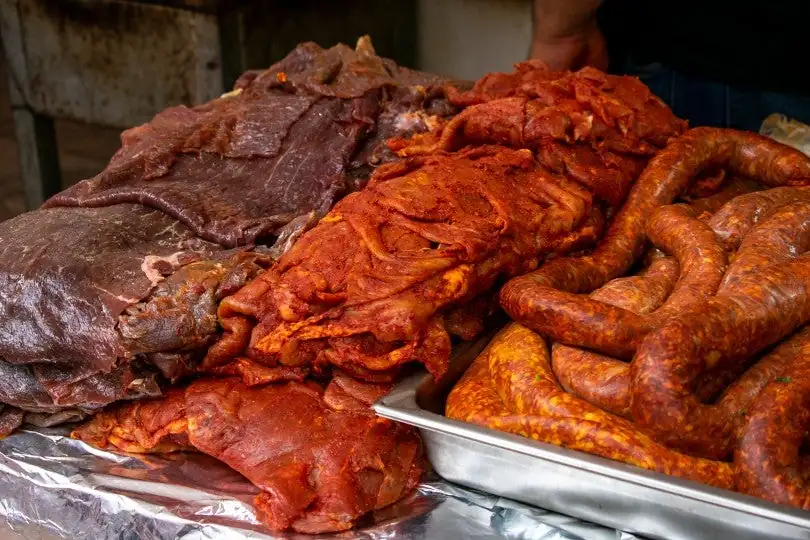
Dried beef is one of the most popular cuts of meat in central Mexico, and it's usually eaten in tacos or accompanied by guacamole, beans, or rice. You can prepare it however you like; here's how to make dried beef at home: it's easier than you think.
Dried beef is one of the most popular cuts of meat in central Mexico, and it's usually eaten in tacos or accompanied by guacamole, beans, or rice. You can prepare it however you like; here's how to make dried beef at home: it's easier than you think.
What is dried meat?
Dried meat is a food made from salted meat that has been air-dried. This method allows the meat to lose some of its moisture, which helps preserve it for longer and intensifies its flavor.
The term “cecina” comes from the Latin word siccus, which means “dry.” This origin directly reflects the process used to make this food, which consists of drying the meat after salting it.
Since ancient times, drying meat has been a common way to preserve food. Before modern refrigeration systems existed, many cultures used techniques such as salting and drying to prevent meat from spoiling.
This type of preparation originated in Europe, especially in Spain. With the arrival of the Spanish in America, various culinary techniques and livestock were introduced, allowing this way of preparing meat to spread throughout the territory that is now Mexico.
Over time, cecina developed its own characteristics in Mexican cuisine. In Mexico, it is generally prepared with beef cut into thin slices, which are salted and left to dry in the air or sun.
This food became popular in several regions of the country. One of the best-known places for its production is the municipality of Yecapixtla, in Morelos, where cecina is an important part of the local culinary tradition.
Today, dried beef is frequently used in a variety of Mexican dishes. It's commonly found in tacos, quesadillas, or served with tortillas, beans, salsa, and nopales (cactus pads). Thanks to its rich flavor and tender texture, many consider it a very versatile ingredient in home cooking.
What type of meat is used to prepare jerky?
Choosing the right cut of beef is essential for making dried beef. In Mexico, the leg is typically used. Among the most common cuts are the leg, the shank, and the center cut.
These cuts are usually preferred because they have little fat and long fibers, making them easy to cut into wide, thin pieces.
The meat intended for making jerky is cut into strips or thin slices. This type of cut allows the salt to be distributed more evenly and ensures uniform drying. In some cases, other lean cuts of beef with similar characteristics can also be used, provided they are thinly sliced.
The thickness of the meat is an important aspect during preparation. The pieces should be thin enough to dry properly and lose some of their moisture.
After cutting the meat, it is often opened or spread out to increase its size. This allows more surface area to be exposed to the air during drying. At home, some people buy leg steak and flatten it with kitchen utensils to achieve the desired thickness.
It's also important to choose fresh meat for best results. Fresh meat typically has a bright red color and a mild odor, characteristics that help identify that it's in good condition.
Beef jerky recipe
Making dried beef at home can be simpler than many people think. While there are different ways to prepare it depending on the region, the basic process usually includes three main stages: cutting the meat, salting it, and letting it dry.
The first step is to remove any visible fat from the meat and cut it into thin strips or slices. This allows the meat to dry more easily during the process.
After cutting the meat, salt should be sprinkled all over its surface. Salt is a key ingredient in preparing jerky, as it helps draw moisture out of the meat and contributes to its preservation.
Once the meat is salted, it is dried. In the traditional Mexican method, the pieces are placed on clean surfaces or hung in a well-ventilated area so that the air and sun help remove moisture. During this process, the meat changes color slightly and its texture becomes firmer.
Drying time can vary depending on the climate and the thickness of the meat. In some cases, a few hours of sun exposure may be sufficient. At home, you can also dry the meat in the refrigerator or use the oven at a low temperature to better control the process.
When the meat has lost some of its moisture and has a firm texture, the jerky will be ready to cook.
Once prepared, dried beef is usually cooked on a griddle, skillet, or grill. Because the pieces are thin, it cooks quickly, in just a few minutes. One of the most common ways to enjoy it is in tacos, accompanied by tortillas, beans, salsa, or guacamole.
It can also be used in various traditional dishes. For example, shredded dried meat or jerky is mixed with other ingredients.
The drying process not only alters the flavor of the meat, but also helps preserve it for longer. By reducing moisture, it hinders the growth of microorganisms that cause food spoilage.
Dried meat is a traditional food in Mexican cuisine. Its preparation is based on ancestral techniques that combine salting and drying to preserve it and enhance its flavor. In addition to its history and cultural significance, this food stands out for its versatility in cooking.
Preparing it at home can be a practical alternative for those who want to experiment with traditional food preservation methods and enjoy an ingredient that is very present in Mexican gastronomy.