Frutas que pierden sabor si se refrigeran demasiado pronto
Algunas frutas son climatéricas y continúan madurando después de la cosecha; refrigerarlas interrumpe ese proceso natural y deteriora su sabor, textura y color.
Since its invention, the refrigerator has transformed food preservation. Many foods, however, don't need its protection. Climacteric fruits, those that ripen after harvesting, suffer if they are chilled too quickly: the cold interrupts their development, altering their texture, flavor, and even color, leaving them limp and unappealing.
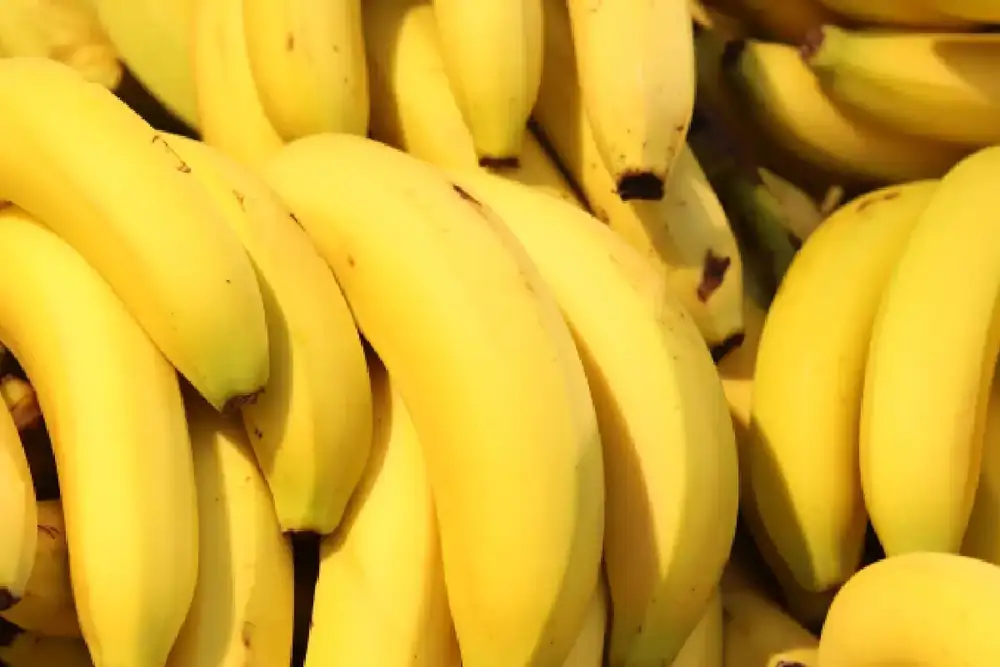
Bananas offer a clear example. Cold temperatures halt their ripening; their flavor changes, and their texture becomes rubbery. It's best to let them ripen in the fruit bowl until they develop natural sweetness. If they turn too dark, don't worry: they're perfect for banana bread. Peaches, plums, and nectarines, all stone fruits, should be stored in the fruit bowl. There, they reach their ideal juiciness and sweetness. Premature cold makes them mealy and bland. Letting them soften thoroughly before using is culinary prudence. Note: Once cut, they need to be refrigerated in an airtight container.
Firm avocados need to ripen at room temperature. Once soft, they can be enjoyed straight from the fruit bowl; if they're starting to go bad, refrigerating them will keep them fresh for another day or two. Tropical fruits, pineapple, mango, papaya, kiwi, ripen best without refrigeration: this helps them retain their sweetness and juiciness. Be careful: once cut, they ferment quickly and need to be refrigerated and well covered.
Tomatoes, strange as it may seem, are fruits, and cold weather damages them. Their skin becomes unsightly, their texture grainy, and their fresh flavor fades. The key is to let them ripen undisturbed, and they will offer their best: flavor, sweetness, and a texture that is a pleasure to bite into.