Cómo almacenar aceite de oliva virgen extra para prolongar su frescura
La refrigeración ralentiza la oxidación y prolonga la vida útil del aceite de oliva, pero el frío puede solidificarlo; la mejor estrategia depende de con qué frecuencia lo uses.
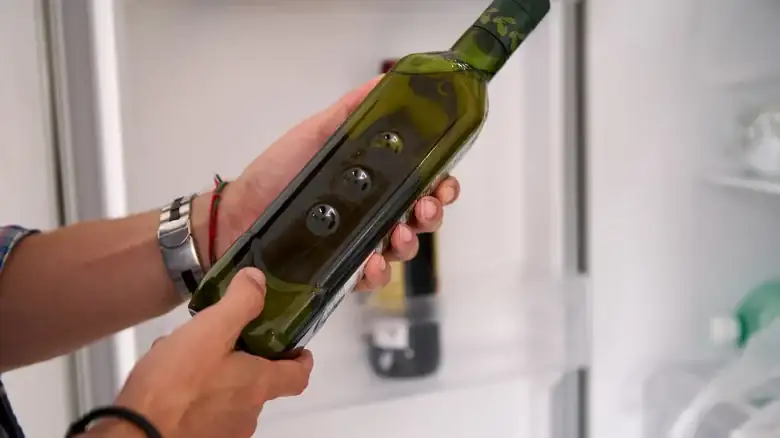
Olive oil doesn't require mandatory refrigeration, but there are good practices for preserving it. Refrigerating it slows oxidation, keeping it fresher for longer, which is especially useful for expensive oils or those that aren't used frequently. However, the cold can cause the oil to solidify, forming unsightly lumps or a cloudy texture. While this doesn't affect its quality, it's not practical when it comes to drizzling that precious oil over a salad.
For those who cook frequently, storing olive oil at room temperature, away from light and heat, is a safer option. Heat and UV rays degrade it quickly, so keep it in a dark cupboard or an opaque bottle. If your kitchen gets warmer than 21°C (70°F), the refrigerator might be better; just make sure it's set to the optimal temperature. Let the oil reach room temperature before using it to avoid any unusual textures.
Temperature is the most important factor for any storage method: olive oil is best kept at around 20°C (68°F). It becomes cloudy below 10°C (50°F) and generally solidifies below 2°C (36°F). Storing it in an opaque, tightly sealed container helps prevent oxidation, which causes rancidity. If you buy it in bulk, consider transferring it to smaller bottles to minimize exposure to air. A small, dark glass or stainless steel bottle, rather than a clear one, will prevent light from degrading the flavor.
For that extra virgin olive oil you brought back from Italy, we suggest storing it in the refrigerator to keep it fresh for special occasions. Refined olive oils, which are typically used for high-temperature cooking, are more stable and less delicate, and can be stored in the pantry without any problem.