Ghee and clarified butter are not interchangeable
Although often used interchangeably, these two products are different: one is an extreme version of the other, with completely different flavor, color, and shelf life.
Both are made using similar methods and both contain only butter, but if you did a blind taste test, you'd immediately know which is which. Clarified butter, also known as brown butter, has a richer, cleaner flavor than regular butter. It's that golden liquid we use to dip boiled seafood and buttered popcorn at the movies. But ghee has a nutty flavor that falls somewhere between clarified butter and brown butter.
The main difference lies in how the water is removed. When cooking butter, the water first settles to the bottom, with only a small amount evaporating. The milk fat that floats to the surface is then skimmed off, retaining the butterfat and leaving the water behind. For ghee, cooking continues until the water turns to steam and evaporates completely.
Clarified butter has a higher smoke point, meaning it can withstand temperatures up to 232 degrees Celsius, compared to the 177-degree Celsius limit for regular butter. This makes it perfect for sautéing vegetables or drizzling over a grilled steak, imparting its distinctive flavor and aroma. Because the clarification process removes water, it also stabilizes sauces like hollandaise or béarnaise, maintaining a smooth consistency and delivering an incredible buttery taste without separating. It stores well at room temperature, lasting up to six months in an airtight container.
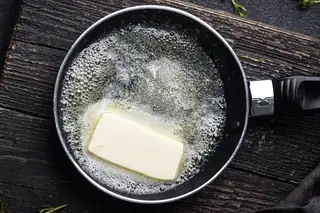
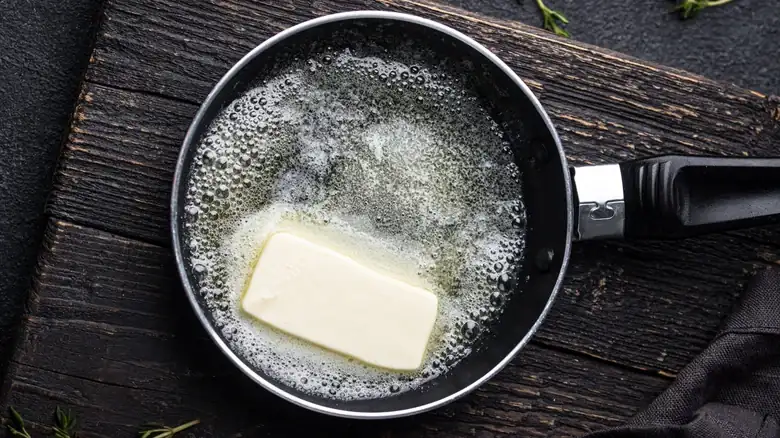
To make clarified butter, melt unsalted butter over low heat. The milk solids will foam and float to the surface, while the water settles to the bottom, leaving a layer of golden fat in between. Skim off the floating milk solids, slowly pour the golden fat layer into a heatproof container, or strain it through several layers of cheesecloth to remove as many solids as possible.
Ghee lasts much longer than clarified butter because it contains even less water. If you buy a jar at the supermarket, you can store it unopened in the pantry for one or two years. It's much cheaper to make ghee at home. Once the layers separate in the melted butter, continue cooking until the butter comes to a vigorous boil, similar to popping popcorn. The water at the bottom turns to steam and rises to the surface, evaporating, while the milk solids begin to brown, releasing a rich, nutty aroma and settling at the bottom. Strain it into a heatproof container, leaving the browned milk solids behind.
Ghee is a staple ingredient in Indian cuisine and Ayurvedic medicine, considered anti-inflammatory and rich in vitamins and minerals. You can use ghee instead of clarified butter to add its toasted, nutty flavor to dishes like an omelet or crispy French fries.