What is the difference between tomato puree and tomato paste?
Tomato, toma-ma-to… Is there really much difference between tomato puree and tomato paste? Actually, yes. Although both come from the same fruit (yes, the tomato is technically a fruit!), they vary quite a bit in their preparation, flavor, and uses.
Tomato, toma-ma-to… Is there really much difference between tomato puree and tomato paste? Actually, yes. Although both come from the same fruit (yes, the tomato is technically a fruit!), they vary quite a bit in their preparation, flavor, and uses. While some recipes allow you to substitute them if necessary, each one offers something unique, so it's worth understanding what distinguishes them.
Knowing the difference between tomato puree and tomato paste will help you achieve the best results in the kitchen. Each has a different intensity, texture, and recommended culinary uses, so choosing the right one can bring the perfect depth of flavor and consistency to your dishes.
What is tomato paste?
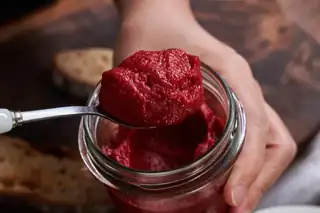
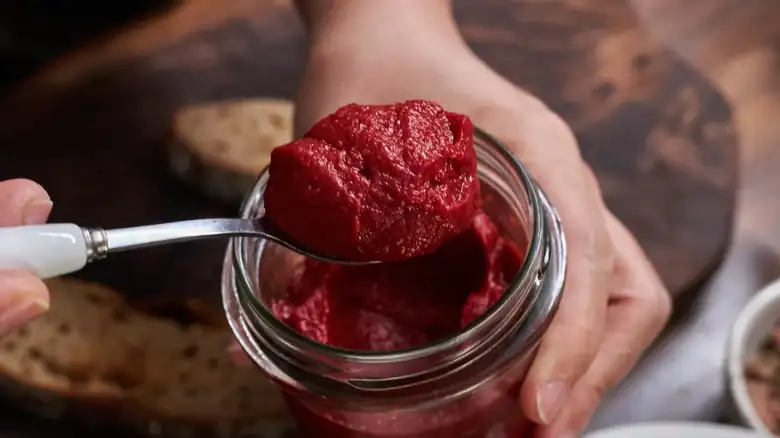
You can buy tomato paste in tubes or cans, and there's a slight difference between the two that affects both flavor and shelf life. However, regardless of how you buy it, tomato paste is used sparingly in recipes because it's concentrated and delivers a rich flavor with just a little. Made by cooking and straining tomatoes until they thicken into a paste, this ingredient, which is no secret, offers a bold taste that enhances a wide variety of dishes, adding depth and richness. While you can find versions with added seasonings, it's generally best to opt for traditional tomato paste for greater versatility.
When cooking with tomato paste, it's best to add it at the beginning of the recipe so it caramelizes and blends with the other ingredients, resulting in a more complex flavor. Besides enhancing the taste, it also thickens tomato-based sauces. Once opened, keep it refrigerated; you can also divide it into portions and freeze them for later use.
What is tomato puree?
Tomato purée is quite different from tomato paste in both flavor and texture, and it also differs slightly from tomato sauce. Purée is made from fresh tomatoes that are quickly heated, strained, and often blended to a smooth consistency. This process preserves the vibrant color and fresh flavor of the tomatoes, making purée perfect for recipes that benefit from a bold, straightforward tomato taste.
Unlike tomato sauce, which is thinner and usually seasoned with herbs and spices, tomato puree is typically unseasoned, giving you a neutral base to experiment with. In fact, it serves as the foundation for many tomato sauces: it's fresh, simple, and easy to enhance with just a few ingredients to suit your dish.
Choose between tomato paste and tomato puree
While both tomato paste and purée add a rich tomato flavor to recipes, they differ in consistency, taste, and use. Tomato paste is thick, highly concentrated, and used sparingly to enhance flavor, color, or thicken sauces. Tomato purée, on the other hand, has a lighter, smoother texture, providing a fresh tomato taste that's ideal as a base for sauces, soups, and condiments.
When substituting one ingredient for another, mashed potatoes can't replicate the depth and consistency of pasta, but they can sometimes be used in place of mashed potatoes if thinned with water or broth, just as they can be used as a substitute for tomato sauce. However, keep in mind that the flavor won't be as fresh and will have a more intense taste, so use it sparingly and adjust the seasoning accordingly.