¿Por qué a las setas morillas se las llama Molly Moochers en Virginia Occidental?
La morilla es una seta silvestre muy apreciada que algunos aficionados del sur de Estados Unidos llaman «Molly Moochers», un nombre con varias explicaciones.
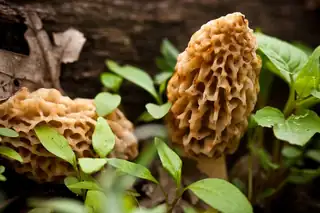
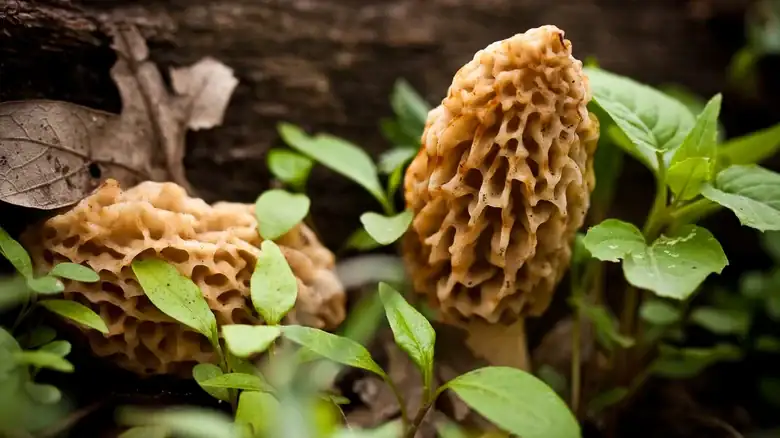
The morel, scientifically known as Morchella, grows wild and is distinguished by its oblong, spongy, and porous cap. It is scarce and highly prized in cooking. Although cultivating it is very difficult, it is often harvested by amateur mushroom hunters who find it at the base of oaks, poplars, elms, black poplars, ash, and apple trees when it sprouts from the damp soil for a short period.
Although morels are found throughout much of the country, the name "Molly Moochers" originated in West Virginia and the Appalachian region. Enthusiasts aren't sure how they got their name, though a few theories exist.
One theory points to the scientific name. Morchella comes from the Old German word "morchel," meaning mushroom, and sounds similar to "moocher," meaning freeloader in the sense of living off others. "Mooching" can also mean to stroll or wander, alluding to the slow and methodical harvesting.
Another theory links the name to the legend of Molly Pitcher, a Revolutionary War figure who carried water to the troops. She was likely a composite of several real women, including Mary Ludwig Hays. Since morels sprout after a period of drought, their name could derive from that legend.
If you decide to cook morels, avoid basic mistakes when preparing mushrooms to achieve a tender and tasty dish.