Gut-Brain Axis: How the Stress of Returning to Work Affects Digestion and Which Foods Support the Microbiota
Dr. Stefano Erzegovesi explains how the gut-brain axis works and which foods rich in probiotics and prebiotics are helpful.
Abdominal bloating, poor digestion, constipation, irregular bowel movements, but also irritability, anxiety, and difficulty concentrating. These symptoms are very common after returning from summer vacation and aren't solely due to overindulgence or the irregular rhythms of vacation days. Even the stress of returning to work, returning to school, and resuming daily tasks can directly affect gut health through the so-called gut-brain axis, the two-way communication system that connects the central nervous system to the gut microbiota. A growing number of studies demonstrate that stress and emotional tension can alter the balance of the gut microbiota, impacting digestion and the body's overall well-being. A healthy diet and foods rich in prebiotics and probiotics can help. But which foods should you choose? And how should you incorporate them into your daily diet after returning from vacation? We asked Dr. Stefano Erzegovesi, a surgeon, psychiatrist, and nutritional scientist, about this. He explained how the stress of returning to work affects digestion and which dietary strategies can help rebalance the gut microbiota.
What is the gut-brain axis?
"The gut-brain axis is the two-way communication system that connects our digestive system to the central nervous system," explains Dr. Stefano Erzegovesi. "'The gut is a second brain' is not just a figure of speech. The brain and the gut are connected through a real anatomical and biochemical structure, made up of three main pathways," explains the expert. "The first pathway is nervous. The vagus nerve directly connects the stomach and intestines to the brainstem, one of the deepest and most ancient parts of our brain, transmitting real-time information about the state of the digestive tract. The second pathway is hormonal. The intestine produces over twenty hormones that regulate hunger, satiety, and mood, and which communicate with the brain through the blood. The third pathway, the most fascinating and the most studied by scientific research in recent years, is microbial. The billions of bacteria that live in our gut produce neurotransmitters, short-chain fatty acids, and metabolites that directly influence brain function. The most recent studies are clarifying how this dialogue influences anxiety, mood, cognitive ability, and even sleep quality. The research is exciting, but reliable data on large human populations is still scarce. What is certain is that taking care of the gut through diet has real effects on overall well-being, both physical and psychological.
What happens to the gut-brain axis with post-vacation stress?
"'Return stress' isn't a specific clinical condition. What exists is chronic stress, one of the most common health problems of modern life, which vacation temporarily alleviates and which resurfaces when we return to everyday life," explains nutritionist Stefano Erzegovesi. "The moment of returning doesn't generate new stress, but rather exposes what was under the surface. Stress in general, which manifests itself more clearly upon return, affects the gut through specific mechanisms. Activation of the sympathetic nervous system slows intestinal motility, alters the production of digestive juices, and increases mucosal permeability, promoting bloating, constipation, slow digestion, or, conversely, accelerated transit, and a feeling of heaviness after meals. These are real, not psychological, symptoms that originate from the gut-brain dialogue that stress has disrupted."
How does the stress of returning from vacation alter the gut microbiota?
"Prolonged stress alters the composition of the gut microbiota through several mechanisms," says Dr. Stefano Erzegovesi. "The stress hormone cortisol, for example, has direct effects on the bacterial flora. It increases the permeability of the intestinal barrier, the so-called 'leaky gut,'" the expert explains. It reduces the production of protective mucus and promotes the growth of pro-inflammatory bacteria at the expense of beneficial ones. "When we're stressed, we change what we eat, seeking out sugary, fatty, salty, and processed foods. Then we skip meals and drink more alcohol. It's precisely these eating habits that deplete the diversity of the microbiota. Scientific studies show that those who experience periods of chronic stress have lower gut bacterial diversity."
What are the best probiotic foods for rebalancing the gut?
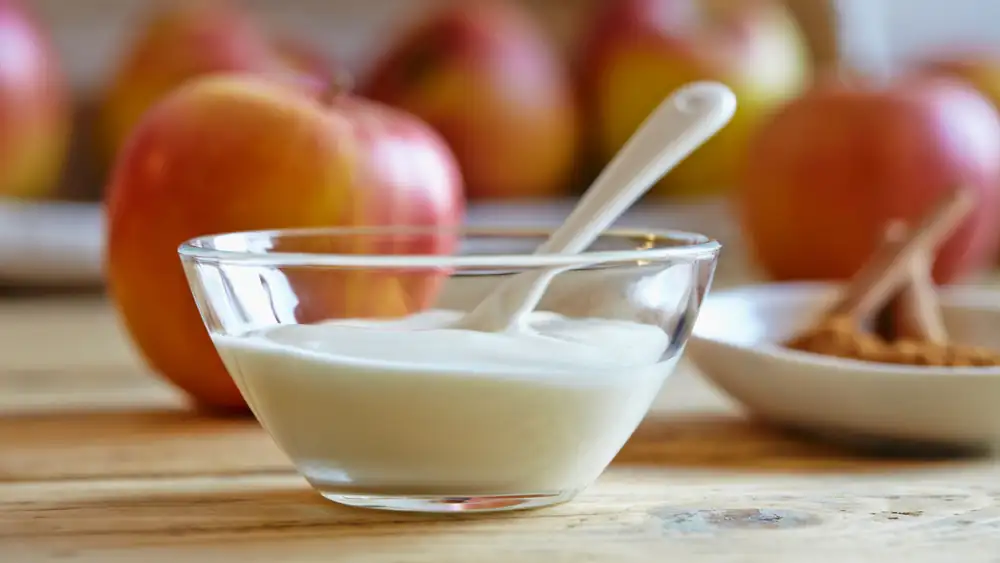
Probiotic foods are fermented foods that contain live bacteria that are beneficial to the intestinal microbiota. The main ones are fermented dairy products, such as yogurt, especially the unsweetened natural variety, but also milk kefir and unpasteurized aged cheeses. Kefir, in particular, contains a much wider variety of strains than commercial yogurt. Among the best probiotic foods are fermented vegetables. For example, unpasteurized sauerkraut, Korean kimchi, and homemade giardiniera with vinegar are rich in lactobacilli and also provide fiber and polyphenols. Fermented foods also include Asian ones such as miso (fermented soybean paste), used in small quantities as a condiment, and tempeh and natto, consumed as vegetable proteins. Be careful with fermented vegetables and miso paste, which are rich in live, vital bacteria, but also contain salt, so use small amounts as a flavor enhancer. For example, a teaspoon of miso and a tablespoon of well-drained fermented vegetables per day. Water kefir and kombucha are fermented drinks made from sweetened water and tea, respectively. They're good alternatives for those who can't tolerate dairy, but be careful about the residual sugar content. Dietary probiotics are only useful if the basic diet contains enough fiber and antioxidants. Without fiber and antioxidants, which are their true nourishment and are called prebiotics, the good bacteria we introduce with fermented foods have no food to eat and are expelled within a few days.
Prebiotics: Which foods nourish the good bacteria in your gut microbiota?
"Prebiotics are the fibers and antioxidants that our intestines don't digest, but which nourish the good bacteria," says Dr. Stefano Erzegovesi. "They are the true foundation of a healthy microbiota. In the long term, they are much more important than probiotics themselves. The best food sources of prebiotics are onions, garlic, leeks, and shallots, which contain inulin and fructooligosaccharides (FOS). They retain much of their activity even when cooked. Artichokes, Jerusalem artichokes, and chicory are very rich in inulin. Prebiotic foods include legumes such as chickpeas, lentils, beans, and peas. And whole grains such as oats, spelt, barley, rye, buckwheat, and brown rice. Oats, in particular, contain beta-glucans, fibers with recognized prebiotic properties. Prebiotics also include fruits such as apples with the peel, bananas, berries, and kiwis, as well as nuts and seeds such as almonds, walnuts, pistachios, and pumpkin seeds. The key to remember is variety. The richer and more varied your diet is, the healthier your microbiota is. The ideal is to consume around thirty different plant-based foods each week.
Gut microbiota and post-holiday stress: the ideal menu
Plain whole-grain yogurt with rolled oats, fresh or dried berries, chopped walnuts or almonds, and a teaspoon of honey. For those who prefer a savory option: whole-wheat sourdough bread with avocado, tomato, and a drizzle of extra virgin olive oil.
An apple with the peel or kefir with two or three apricots.
Farro salad with chickpeas, cucumbers, tomatoes, red onion, parsley, olives, and crumbled feta, dressed with extra virgin olive oil and lemon. For flavor, add a spoonful of drained fermented vegetables, such as sauerkraut or homemade giardiniera.
Raw carrots with chickpea hummus or kombucha with a handful of almonds.
Legume soup (lentils, chickpeas, or beans) with seasonal vegetables, a teaspoon of miso dissolved in warm water and added at the end to keep the enzymes active, whole-wheat bread, and a drizzle of extra virgin olive oil. As a side dish, steamed vegetables with garlic and aromatic herbs. Before bed, if desired: a hot herbal tea made with fennel, lemon balm, or chamomile, which aids digestion.
Three more expert tips for your microbiota
"Processed products with long lists of ingredients, additives, emulsifiers, and added sugars are among the main enemies of the microbiota. Returning to home cooking with fresh ingredients is one of the most effective ways to care for your gut."
The gut also has its own biological clock. Eating at irregular times or having dinner too late can alter intestinal motility and the balance of the microbiota. The ideal is to eat dinner at least two hours before bed.
Proper hydration is essential for healthy gut function. Drinking enough water helps prevent constipation and helps maintain a balanced gut microbiota.