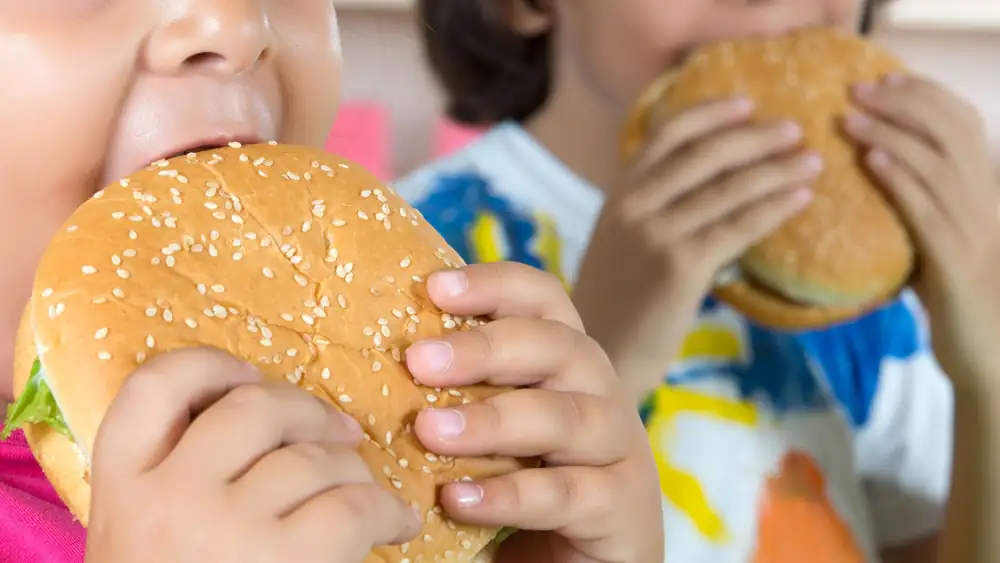
Obese children pose serious risks as adults: new data from the National Institute of Health
Obese children are at risk, and we shouldn't forget that.
We don't realize how important it is to educate our children about healthy eating and an active lifestyle, otherwise we wouldn't continue to be among the top countries in Europe for childhood obesity rates.
The OKkio alla Salute surveillance system, coordinated by the National Institute of Health, reports that in Italy, 19% of children aged 8-9 are overweight, 10% are obese, and 2.6% suffer from severe obesity. This condition, despite the usual socioeconomic and regional differences, with southern regions leading the way, persists throughout adolescence and beyond.
What are the risks that obese children run?
Approximately 55% of obese children remain obese during adolescence, and over 70% of obese adolescents remain obese into adulthood. And the real problem, of course, isn't waistlines, but health. "Obesity shouldn't be considered a transitory phase that can simply be overcome with growth. When it appears during childhood, the likelihood of it persisting over time is high, and with it, prolonged exposure to its metabolic effects and potential complications," emphasized Roberto Vettor, scientific director and clinical coordinator of the Center for Metabolic Diseases and Nutrition at the IRCCS Istituto Clinico Humanitas Research Hospital in Rozzano, commenting on the data during a recent conference on the topic organized by the ISS and the Association of Endocrinologists. "Prolonged exposure to excess adipose tissue due to childhood and adolescent obesity leads to a progressive accumulation of metabolic and vascular damage that can become fully evident in later decades of life," said Marco Silano, director of the Department of Cardiovascular, Endocrine-Metabolic Diseases and Aging at the ISS.
Pathologies and complications related to childhood obesity
Obese children are very likely to become unhealthy adults, with a lower life expectancy than children of normal weight. Metabolic and vascular damage increases the risk of diabetes, early onset of hypertension, and atherosclerosis, which in turn leads to strokes, heart attacks, and very serious cardiovascular diseases. Furthermore, excess weight is also linked to various forms of cancer. Furthermore, and by no means secondary, there are the consequences of childhood obesity on mental health: anxiety and depression, caused by isolation in a society that has made slim bodies the benchmarks, are very common, especially among the very young, according to ISS data.
How to prevent childhood obesity
We should remember this and teach our children that food is nourishment, that not all foods are good for us, and that, in any case, too much food is bad for us. Because primary prevention begins at home, by leading by example. And investing in our children's education also means helping them grow up healthy. "Prevention strategies, based on promoting healthy eating, regular physical activity, and reducing sedentary behavior, represent fundamental investments in reducing the future burden of diabetes, cardiovascular disease, cancer, and disability," Dr. Marco Silano emphasized during the conference, emphasizing, along with his colleagues, the enormous challenge our healthcare system faces—and will face, already stretched thin by constant cuts to resources and staff. Because yes, if an obese child is a future sick child, it will also be a cost. One that, with commitment, we can avoid bearing.