Sustainable basil
Tigullio begins its sustainability journey with its main ingredient: basil; Italian, fresh, and sustainably farmed.
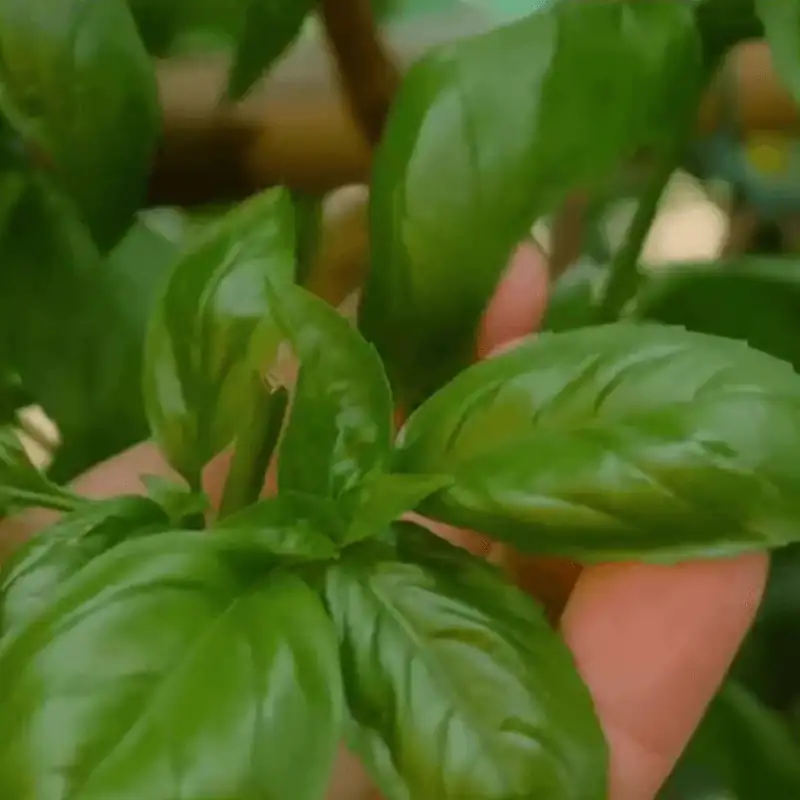
Pesto is among the world's most beloved Italian condiments, not only for pasta, but also for flavoring pizza, bruschetta, and even salads. Its aroma and distinctive flavor are due to basil, the sauce's main ingredient, along with parmesan cheese, pine nuts, and a good olive oil. Basil is the key ingredient in the sustainability journey that the Tigullio brand has embarked on to meet the new consumer demand for healthy, environmentally sustainable, and authentically Italian-made food.
A question of respect
The basil Tigullio uses to make its pesto is Italian, fresh, and grown to meet the requirements of ISCC PLUS (International Sustainability and Carbon Certification), a voluntary standard that monitors compliance with sustainability and traceability criteria throughout the food production chain, from harvesting to processing, to the protection of biodiversity, with a percentage of its fields dedicated to growing flowering plants. Respecting the land also means respecting everything around it: from the insects that nourish it to the people who work it. That's why Tigullio has embarked on a journey that begins with its most precious ingredient: basil. This is a story of respect: for the raw material, with continuous field rotation to limit the presence of pests and ensure crops have the right nutrients to grow healthy and thriving; for biodiversity, by dedicating part of its fields to growing plants and flowers that attract beneficial insects, such as bees and ladybugs; and for its suppliers and farmers, key players and guarantors of the Italian supply chain.
Giuseppe Bonati, agronomist and basil grower, a longtime supplier to Tigullio, tells us: "We've improved and implemented specific techniques, such as localized irrigation, designed to reduce water consumption, and researching the perfect height for cutting the plants. We've introduced flowering plants like Phacelia and alfalfa to protect insects and biodiversity, and we're paying close attention to crop rotation to allow the soil to repopulate with microorganisms. We're also experimenting with a method to control pests without using pesticides, using activated oxygen (ozone) dissolved in water for in-field control."
From field to table
We asked Andrea Drago, R&D STAR manager, to tell us how Tigullio pesto is made. "Once cut, the basil is transported directly from the fields to our facility: here, it is processed immediately after harvest to maintain its freshness. We take care of our basil by washing and drying it thoroughly, a very important step for preserving its aromatic and color characteristics. The basil passes through a mill that simulates the effect of a household mortar, just like the one used in the traditional recipe. Meanwhile, the whole wheels of Grana Padano are grated and the pine nuts are chopped and mixed with the oil. All the ingredients are blended to achieve the rustic consistency typical of Tigullio pesto. The process described so far is done "cold" and in the shortest possible time, to preserve the basil's sensorial qualities. After the pesto is distributed into airtight glass jars, a final heat treatment takes place to ensure its long-lasting quality."
Once home, simply open the jar and unleash your creativity in the kitchen. And to experiment with new recipes every day, Tigullio adds specialty pestos to its Genoese pestos—in the Classic, Creamy, and Garlic-Free varieties: Sun-dried tomatoes and pistachios, artichokes and walnuts, radicchio and speck, olives and capers, peppers and walnuts, and ricotta, truffle, and black pepper.