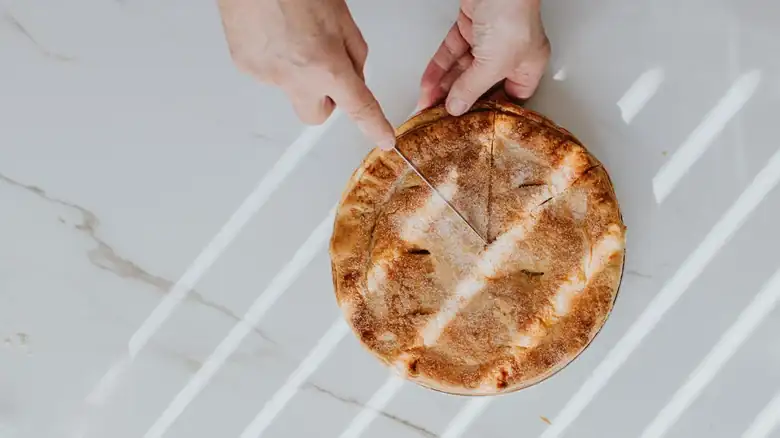
El licor que debes usar al hacer masa para tartas
Si alguna vez has horneado un pastel, probablemente ya sepas que los ingredientes básicos de la mayoría de las recetas son harina, azúcar, mantequilla y sal.
If you've ever baked a pie before, you may already know that the basic building blocks of most recipes are flour, sugar, butter, and salt. But when you want a buttery, flaky homemade pie crust, there's an additional ingredient that can be the difference between a crumbly, mushy mess and golden perfection — and it's likely sitting inside your liquor cabinet. Next time you want to achieve the perfect crust, reach for your bottle of vodka.
Besides its obvious use as an ingredient in cocktails like a vodka press or a classic Moscow mule, vodka is often used to emulsify ingredients and enhance flavor in dishes ranging from pasta sauces to boozy desserts. When it comes to baked goods like pie crust, however, vodka acts as some necessary hydration to make the dough workable without adding to the gluten development. This results in a more delicate flake, rather than a chewy, bread-like dough. And because vodka evaporates quicker than water, using it in your pie crust will ensure you aren't left with a dreaded soggy bottom.
To add vodka to the mix, pulse together the flour, sugar, salt, and butter in a food processor before sprinkling in 1/4-cup cold water and 1/4-cup cold vodka (any brand will work, just make sure it's unflavored).
How to achieve the flakiest pie crust with vodka
Even with your boozy star ingredient, there are other factors to keep in mind to achieve the perfect, flaky pie crust. One of the most important elements is keeping your ingredients cool — especially the butter. If it melts and mixes in with the flour, no air pockets will form, and the butter could leak out during the baking process.
Similarly, you'll want to avoid over-mixing your dough as much as possible. Not only will the heat from your hands slowly melt the butter, but the more the dough is mixed, the more gluten will be formed. And higher gluten content will result in a tougher, stretchier dough, rather than a crumbly, flaky one. While this texture might be ideal for a sourdough bread or a pizza dough, you'll want to avoid it for your pie crust.
When it comes to the vodka, make sure you add it gradually to the dough, as too much hydration can also ruin the flakiness of your crust. You can always experiment with your water-to-vodka ratio too, and adjust according to your dough's consistency. Don't worry about getting tipsy from your slice of pie — nearly all of the alcohol will burn off as it bakes.
If all else fails, skip the homemade pie crust altogether and opt for an easy one-ingredient topping for your pie. Or, you can even make store-bought crust taste homemade with some simple butter and vanilla.