The practical reason why green cardamom is bleached
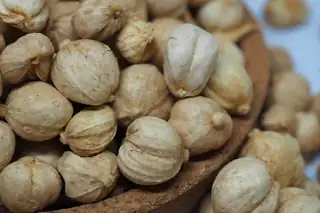
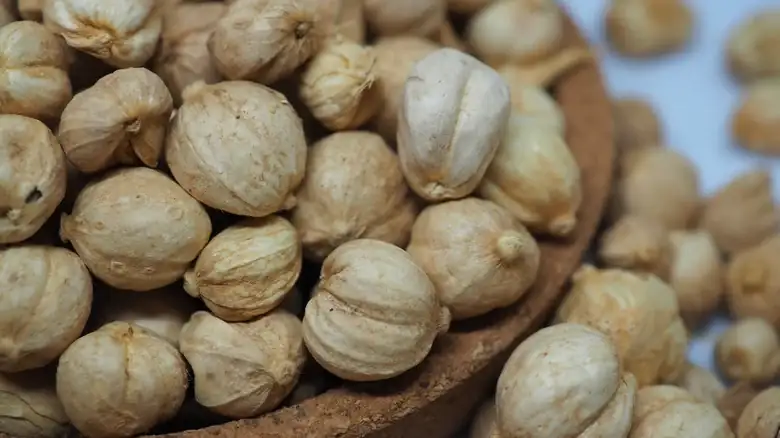
White cardamom is green cardamom that has been bleached to add color to baked goods and desserts, and is used mainly in Scandinavia and Northern Europe.
Cardamom, the queen of spices, is used in sweet and savory dishes all over the world. White cardamom, on the other hand, is a bleached version of green cardamom, which is often bleached to give a lighter color to baked goods and desserts. Even though it changes color, it still adds depth to any dish in which it's used.
Bleaching also alters the flavor: some say it softens the potent taste of green cardamom, while others say it sweetens it. The practice is said to have become widespread when cardamom was transported from Asia to Scandinavia centuries ago, and the pods became much lighter from sun exposure during the sea voyage. This preference evolved into a tradition that continues to this day.
There are several methods for bleaching green cardamom. Some people bleach the dried pods, while others prefer fresh ones, which are soaked in processed solutions. Dried pods can also be bleached with sulfur dioxide, hydrogen peroxide, or soap nut water.
To avoid the greenish hue and bittersweet flavor of cardamom in your baked goods, use blanched cardamom. It's a milder alternative, so it can be used directly as a substitute in both savory and sweet recipes. Swedish cardamom buns, or kardemummabullar, are a simple way to enjoy this classic: they have a spiced exterior and a very soft and creamy center.
Cinnamon and cardamom are a perfect match. Blueberry muffins with both spices are a great way to use them, and you can grind blanched cardamom with your favorite sugar to make cardamom sugar. You can also bake whole apples with cinnamon and cardamom.