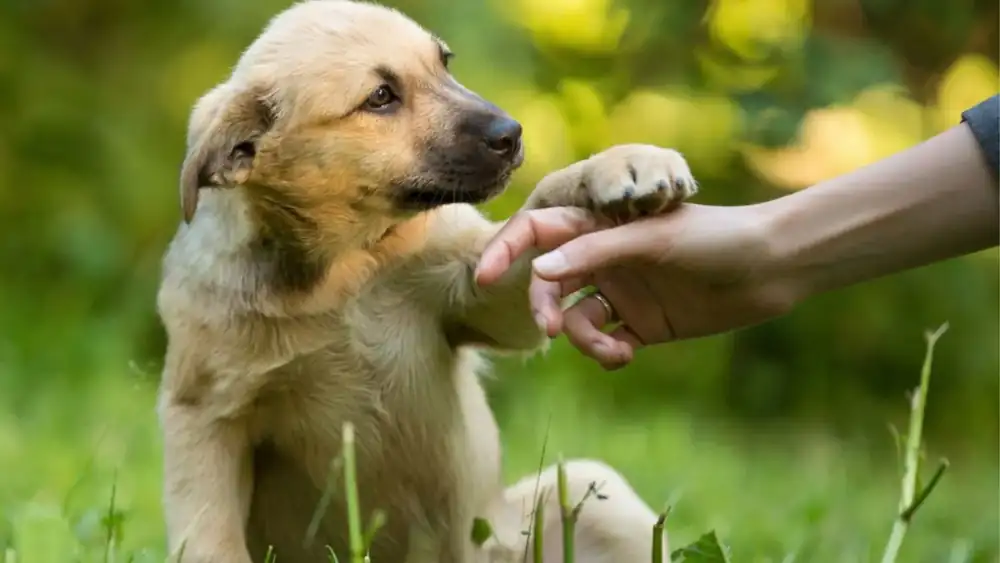
The ASPCA brings joy back to abused dogs: this is their recovery center in New York
If a dog has suffered abuse, regaining trust can mean the difference between a cage and a home.
The Recovery and Rehabilitation (R&R) Center occupies more than 3,000 square meters, an area equivalent to about twelve tennis courts. This isn't a figure to boast about: it's a statement of intent regarding animal welfare.
What is the ASPCA Recovery and Rehabilitation Center?
This center is not your typical animal shelter. It's a space designed for dogs with physical and psychological trauma from abuse: debilitating fear, sensitivity to handling, or severe stress. The main focus here is helping the animal regain a sense of security.
Design matters, a lot. There are areas for socializing, surfaces for sniffing in peace, and quieter environments. Everything is designed so the dog doesn't feel invaded. Every corner of the center aims to reduce stimuli that trigger fear.
This is how the aftereffects of abuse are rehabilitated.
Recovery isn't just about healing wounds. The team addresses the emotional aspect with behavioral interventions, a term that describes how to modify learned fear responses without punishing the animal. They also collaborate with other ASPCA teams to improve protocols.
Rehabilitating an abused dog is not just about healing its body: it's about giving it back enough confidence to live with people again.
What this model says (also in Spain)
In Spain, many animal shelters handle the rehabilitation of abused dogs with far fewer resources. The work is not easy: it requires quiet spaces, trained staff, and time—above all, time. This comparison shouldn't be discouraging.
And that's the key to understanding why a space like this matters. For a traumatized animal to be adopted, it first needs to feel safe. It's not enough to simply provide shelter and food. You have to read its body language, respect its pace, and work on its rehabilitation patiently.
That doesn't mean a small shelter can't do it. It means that animal welfare needs investment, training, and a support network. Responsible adoption remains the first step to reducing the number of dogs entering the system already broken. And awareness campaigns are the second.
🐾 Animal footprint
- ❤️ Why it's important for an animal lover: Rehabilitating fear is just as important as healing visible wounds.
- 📌 What you shouldn't forget: Dogs with trauma need calm environments, routines, and behavior professionals.
- ⚠️ Things to keep in mind for the future: Investing in animal welfare and training reduces abandonment and improves adoptions.