Dining Room, Venezuelan courage squared
When we think of Venezuelan cuisine, familiar images immediately spring to mind: arepas filled with reina pepiada, cachapas made with sweet corn and fresh cheese, tequeños crispy on the outside and delicious on the inside.
But this is just a small sample, a quick, street-level glimpse into the gastronomy of a country that has so much to offer: from the Caribbean coast to the Andes, from the lush Amazon to the mountains, from the fertile valleys to the plains. The best way to understand this—to use an analogy from the culinary world—is to get your hands dirty; that is, to travel to Venezuela itself and experience firsthand what its best chefs and restaurants are doing there.
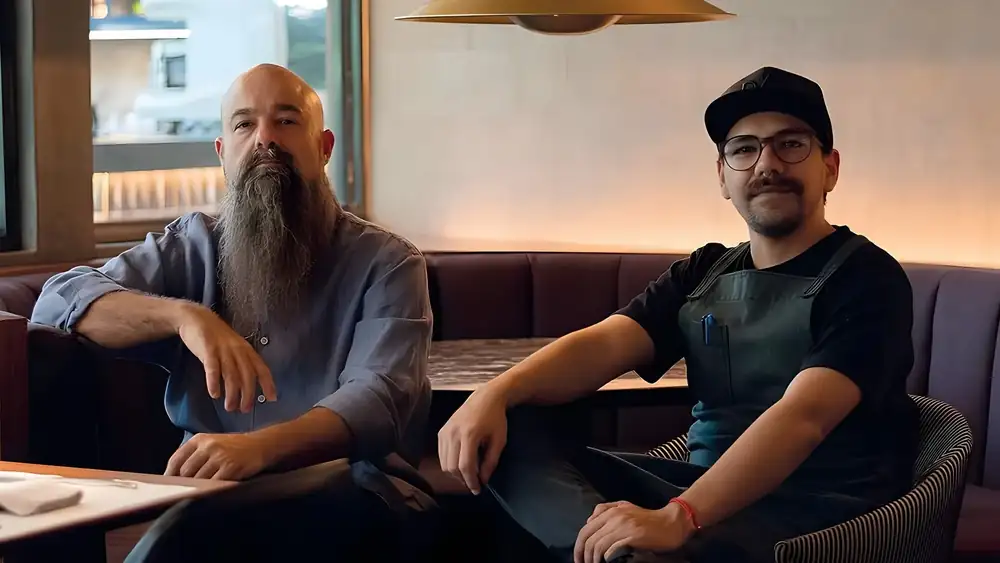
In Valencia, an industrial city located two hours by car (just over 150 kilometers) from Caracas, Dining Room is one of those places that showcases Venezuelan haute cuisine with enviable pride. Behind it are people who know their stuff, who have the agility to overcome difficulties, and the sensitivity to express their place in the world. At the helm is Jonathan Faria, a Valencian of Portuguese descent, a music lover, and charismatic, the son of restaurateurs. Even as a young man, Jonathan was known as "the king of Valencia's nightlife" after opening a nightclub (Living Room) that left its mark on a generation.
Today, on that same corner in the Guataparo neighborhood, Jonathan and his partner Sofía Cárdenas Branger have built a small but sophisticated culinary empire, understanding how to translate global trends to local products. There's Coffee Market, a blend of bakery, café, and delicatessen, where they work with sourdough and make dreamy palmiers—crispy and buttery. Then there's El Clásico, the informal name for the dining room where pizzas, hamburgers, homemade pasta, various sandwiches, and the best breakfast in town (with cachitos, black beans, scrambled eggs with potatoes, and much more) are served. Across the street, with a separate entrance, is the beautiful Terraza, glamorous with its cocktails, DJ, and snacks. And in the middle, tucked away in warm colors, intimate, is the Dining Room, a more profound offering for a cuisine with aspirations of transcendence.
Dining Room opened during the pandemic and found its identity when it found its chef, Frank Parada, now a well-deserved partner. The recent winner of the Golden Fork award for best chef of 2025, according to the Venezuelan Academy of Gastronomy, Frank—more reserved, shy, but always affectionate—is one of those chefs who ventured out into the world: from his native Mérida, he went to discover the fish and seafood in the paradisiacal Los Roques, then established a base in Caracas, and from there traveled throughout Latin America until finding a school and mentors in Peru, working with his compatriot Juan Luis Martínez (of Mérito), as well as with Jaime Pesaque (Mayta) and the astute Pedro Schiaffino.
Latin America is a mestizo continent, for better and for worse, bearing the marks of conquests and genocides, migrations and independence movements. Frank works with this mestizo cuisine, his feet firmly planted in Venezuelan soil, where he finds no shortage of his favorite ingredients: corn, criollo celery (an Andean tuber quite distinct from what we know as celery in other Spanish-speaking countries), the deeply aromatic sweet pepper, the Amazonian mapuey fruit, bananas and plantains, lulo and mango, tamarind, coffee and cacao, among many others.
For several years now, Venezuela has been somewhat relegated from the most popular tourist routes. Dining Room, therefore, must do what all good restaurants in the world should try to do: think about its local clientele, enticing them with its offerings, its prices, and its blend of flavors. At this restaurant, you can order à la carte or the tasting menu, a selection of those same dishes, which, as they are presented, attempt to tell a story of a landscape and its traditions.
Begin with warm sourdough bread stained with purple mapuey, accompanied by sweet chili butter; continue with a delicate, almost translucent tartlet made with native celery, filled with raw and cured fish, sweet chili, and fresh peas. There will be a total of nine courses, including a ceviche with tiger's milk made from roasted lulos; a more substantial and well-known braised beef cheek, slow-cooked for countless hours, which gains its distinctive character thanks to ripe plantain and pickled green papaya; or crispy pork belly with pineapple barbecue, a dish you'll want to order extra-large with a cold Negrita (one of the country's most popular Pilsner beers); the same goes for a house classic, a permanent fixture on the menu: their smoked cauliflower served on a creamy cauliflower stalk and an addictive vegetable demi-glace.
The wines will be mostly European, and the pairings still have some work to do. Among the desserts is a mousse of Creole celery (a nod to celery cream, one of the most beloved comfort foods in Venezuelan homes) with manaca reduction and candied macambo; and it concludes with coffee from El Recreo, a historic, beautiful, and tourist-friendly hacienda located just 50 kilometers from Valencia, where they produce some of the best coffee beans in the country.
Those of us who live in Latin America know this: creating a tasting menu with meticulous technique and product sourcing in a relatively small city, not the capital, is always a heroic feat. And in the Venezuelan context, that heroism is squared, under the name of Dining Room: the living room of a proud home, with Jonathan, Sofía, and Frank as gracious hosts.