Nestlé pushes for filter coffee: has its time finally come?
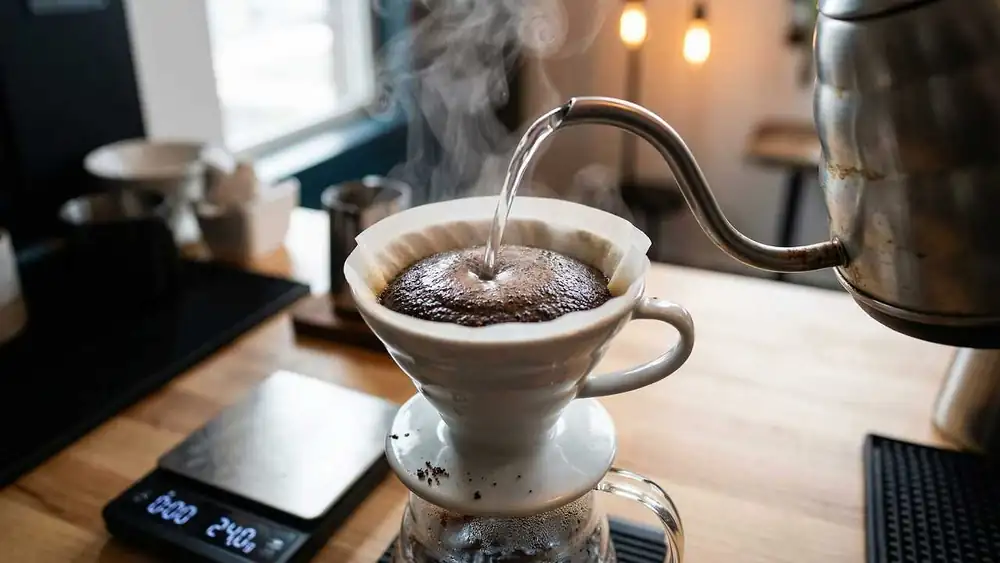
Filter coffee is one of the most important symbols of the spread of modern quality coffee culture: for many, it represents the first step toward specialty coffee, as people begin to move away from the classic Italian cup, which has become an allegory of burnt, hasty coffees and a reactionary tradition with little interest in the product.
Relatively simple to prepare and appreciated even by non-nerds, it's starting to appear in mainstream cafés, allowing owners to offer coffee with interesting added value without overly challenging customers with acidity or overly exotic fruit flavors. This appeals to a diverse audience and demonstrates a desire for research and a focus on quality. We hope this trend grows, and there's some good news: a multinational like Nestlé is investing heavily in it.
Nescafé filter coffee
The Swiss multinational was inspired by the Japanese market, where this trend originated and then spread throughout the Asia-Pacific region, influenced by Japan's strong coffee culture. Jing Wen Foo, Senior Brand Manager at Nestlé Professional, told FoodNavigator: "What we've seen more recently is an increase in demand for filter coffee over espresso-style coffee, especially among consumers who also consider themselves coffee aficionados, as filter coffee offers much more character and a clearer flavor than the beans."
While espresso will remain a core product, discerning consumers are looking for alternatives to enrich their routine: “Espresso will remain a core product for the foreseeable future for many consumers, but those who are a little more savvy and in tune with trends are looking for filtered brews to complement their coffee experiences throughout the week.”
To meet this growing demand, Nestlé launched the Nescafé Fusion 3 machine, which integrates technology specifically for filter coffee: “The main difference between an espresso brew and a filter brew is that the former uses high pressure and temperature to extract the coffee's oils and aromas, among other things, while the latter uses gentle gravity extraction instead of pressure to produce a smoother, lighter cup similar to hand-poured filter coffee.” The grind also varies between the two methods: “Both will obviously grind the beans, but for filter coffee, the beans are ground slightly coarser than the fineness of espresso.”
Speed is a crucial factor in the success of this technology, allowing for a filtered coffee in less than a minute: “Convenience and speed are very important attributes to attract today’s consumers, and this technology gives consumers access to a cup of filtered coffee in less than a minute compared to the 10 or more minutes required for traditional hand pour-overs.”
This product, for now, is only available to the commercial sector, and the goal is not lost on us: riding a specialty trend to gain authority, it is the concept of "crafty" that we have already discussed both for craft beers and ice cream.
Nestlé is also trying to regain public relations ground after a history of controversy in the coffee supply chain. It recently implemented a plan to improve worker conditions and is focusing on sustainability with its filter coffee: the new machine is produced in factories powered entirely by wind energy, uses recycled plastic, and guarantees 60% energy savings over the long term. To support this commitment, the company has launched NESCAFÉ Superiore beans, a 100% Arabica product certified by the Rainforest Alliance.