Why I love Estonia cuisine, the Baltic nation with vast, untouched natural landscapes
Have you tried Estonian food?
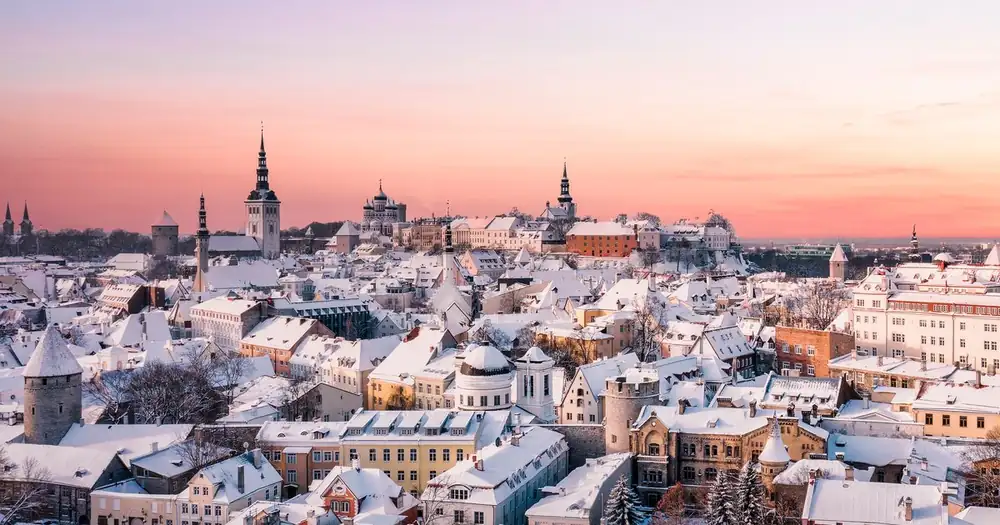
Learn all about what makes the cuisine of this Baltic nation so unique from SOO's Estonian head chef, Oliver Saaremäel. From abundant seafood and hearty, rustic flavours to craft ciders made from local apples, there is plenty for food lovers to enjoy.
New Nordic cuisine
Estonia’s close ties to the Nordic countries have helped shape a modern food culture centred around seasonality, local producers and wild ingredients. At the same time the country’s forests, coastline, islands and bogs give its cuisine a distinctive identity that sets it apart from its Nordic neighbours.
It’s a cuisine that is increasingly attracting the attention of food lovers from around the world.
Cross-cultural impact
Since Estonia has been influenced by many different cultures throughout history, our traditional cuisine reflects German, Scandinavian and Russian influences.
This is demonstrated in dishes such as black bread, pickled herring and rosolje (beetroot and herring salad).
Mulgikapsad
This is a centuries-old Estonian dish of slow-cooked sauerkraut, barley and pork, often regarded as one of the country’s national dishes. It reflects the hearty, rustic flavours that have shaped Estonian cuisine for generations.
Seasonality and terroir
Estonia’s cuisine is deeply connected to nature. Around half of the country is covered by forests, while its wetlands and bogs also shape the landscape, providing seasonal wild ingredients like mushrooms, berries (such as blueberries, lingonberries and cranberries) and game meat.
As a kid I loved spending time at our summer house surrounded by forests and fields, snacking on wood sorrel straight from the forest floor on the way to the beach or a friend’s house.
Kiluvõileib (sprat sandwiches)
Sprat is abundant along our coastline. Usually served on black rye bread with butter, boiled egg and raw onion, this national dish is especially popular on Estonia’s IndependenceDay on 24 February.
While it reflects Nordic food traditions, it’s also deeply connected to the country’s own terroir and farming heritage.
Kohuke
A chocolate-covered curd cheese snack that comes in many different flavours and fillings, Kohuke is one of Estonia’s most loved everyday sweets and something almost every child grows up eating.
Rye Rye grows exceptionally well in Estonia’s cool climate and has long been our staple grain.
We use it to make our famous black bread, as well as in crispbreads, porridges and even desserts.
Seafood
Thanks to almost 2,500 miles of Baltic Sea coastline and 2,200 lakes, Estonia’s seafood shines – herring, sprat, perch and salmon have traditionally been an important part of our cuisine.
Kama
Kama is a unique flour mixture made from roasted barley, rye, oats and peas, developed from ancient agricultural traditions. Today it’s often used in desserts such as fluffy kama mousse, sweetened with berries.
It can also simply be mixed with buttermilk and fresh berries, which is how I enjoyed it most as a child.
Craft cider
Personally I enjoy Estonian craft ciders made from local apples, especially Jaanihanso, which is produced using the traditional method used for champagne. For me it’s the perfect drink on a warm summer day or as a welcome drink at a special event.
- Who: Estonia