How To Make Caramel
Learn how to make caramel in under 10 minutes with this foolproof recipe.
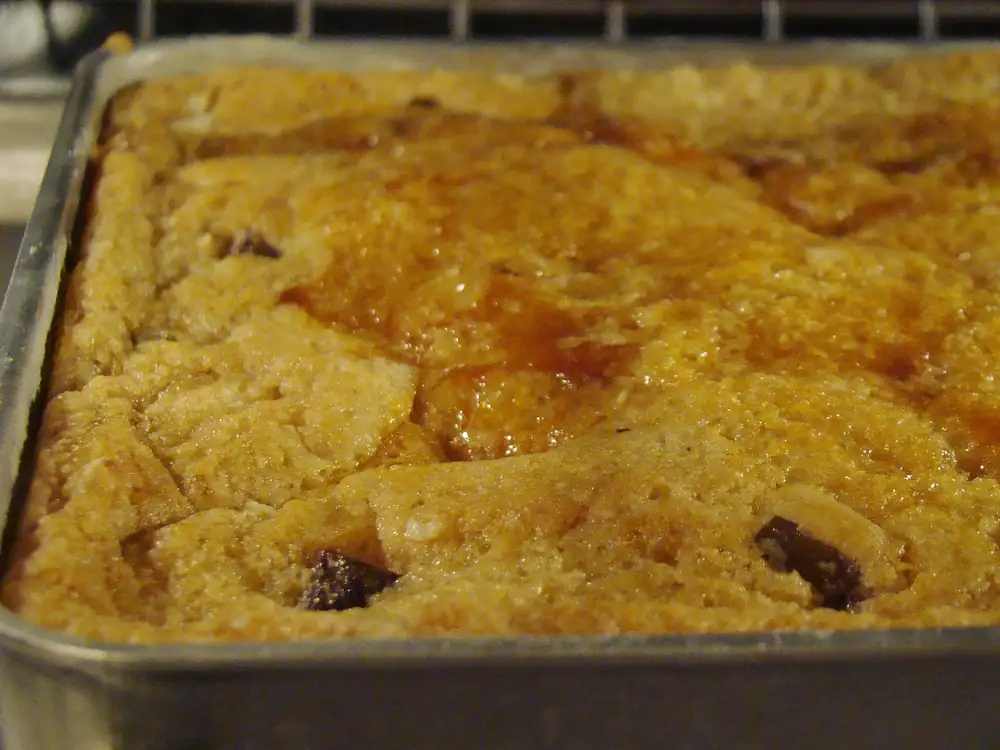
Simple granulated sugar and water transform into a smooth, dark amber layer perfect for coating Flan and quesillo pans.
Recipe Summary
- 🔪 Prep Time: 1 minute
- 👨🍳 Cook Time: 7 minutes
- ⏱️ Total Time: 8 minutes
- 🍽️ Servings: 2 portions
- 🏷️ Calories: ~193 calories
- 🍳 Cook Method: Boil
- ✨ Flavor Profile: Pure, sweet, and rich with a warm toasted sugar flavor
- 🧩 Difficulty: Very easy (Perfect for quick dessert prep, Flan, or quesillo)
How To Make Caramel For Flan
Getting that smooth caramel base right is what makes a Flan or quesillo turn out incredible, but melted sugar terrifies a lot of home cooks.
I used to think I needed a candy thermometer to get it right, but learning how to make caramel for flan or quesillo is simple once you know how sugar behaves. I put together this guide to break down the exact visuals you need to watch for so you can coat your pans without crystallization or burning.
What makes this method foolproof comes down to control. By starting with white granulated sugar and a splash of water, the sugar dissolves evenly across the pan before the actual caramelization starts.
This wet method prevents dry hot spots that cause sugar to scorch before the rest melts. Keeping utensils out of the pan and simply swirling the liquid as it heats lets the syrup shift smoothly from clear to a rich, dark amber in under 10 minutes. If you have ever ended up with a grainy, seized-up mess or a smoking pan, this post will show you how effortless it really is once you let the heat do the work.
Equipment Tips: Choosing The Right Pan To make this recipe foolproof and perfect for beginners, the pan you choose actually matters just as much as watching your stovetop heat.
- Selecting The Pan: Stainless steel or light ceramic saucepans are ideal because they give you total control over the process. A small non-stick pan is fine if that is what you have, but keep in mind dark non-stick coatings require a bit more attention when watching the color shift.
- Pan Color: Light-colored interiors take all the guessing out of timing. You can easily spot the exact second the liquid turns from clear to light amber, and then into a deep dark amber. If you are using a dark pan, just tilt it to check the true shade against the side as it bubbles.
- Pan Thickness: Pick a pan with a heavy, thick bottom. Thin pans heat unevenly and will scorch the center of your sugar while the edges are still trying to melt.
- Pan Size: Use a small saucepan for half a cup of sugar. If your pan is too wide, that thin layer of syrup cooks down way too fast and can burn before you even have time to react.
- Pan Cleanliness: Make sure your pan is completely clean with zero grease or leftover food bits. Even tiny specks of dust can cause the sugar to seize up into a grainy mess instead of staying smooth.
Ingredients You’ll Need
- Sugar
- Water
See the recipe card below for all the ingredient details and exact measurements.
Pro Tip #1: Pure White Granulated Sugar Only
Stick with basic white granulated sugar because it dissolves smoothly over low heat and melts into a clear liquid before caramelizing into a deep dark amber.
Do not swap white sugar for brown sugar. Brown sugar contains molasses, which hides color shifts and burns much faster.
Pro Tip #2: The Splash Of Water Advantage
Adding 2 tablespoons of water makes this method foolproof.
While some recipes call for melting dry sugar alone, adding water dissolves the sugar crystals evenly before boiling starts. This gives you far more control and stops the sugar from scorching early on.
How To Make Caramel
Start by adding your sugar and water into a small saucepan over low heat.
Let the heat do its thing and wait for the sugar to dissolve on its own without stirring. As it warms up, you will see the liquid come to a gentle boil.
Pro Tip: Leave utensils in the drawer. Stirring introduces sugar crystals back into the liquid, which ruins the smooth texture of the finished caramel.
Once it is bubbling softly, pick up the saucepan and gently swirl it around to help the heat distribute evenly across the bottom. Pro Tip: Use smooth, gentle wrist motions to tilt the pan so the clear liquid moves across the bottom without splashing hot sugar up the sides.
Keep a close eye on the pan as the liquid shifts from clear to a light amber color, giving it an occasional swirl as the shade deepens. Pro Tip: Stay right by the stove during this step.
Sugar moves from light amber to a golden amber shade in just a few seconds. The moment the caramel reaches a warm golden amber color, pull the pan straight off the heat.
Pro Tip: Pull the pan off the burner while it is still golden amber. The residual heat inside the hot pan will continue cooking the syrup to a rich dark amber off the stove without scorching it.
Pour the hot caramel into your mold without waiting, tilting the container right away so it covers the base before it cools down. Pro Tip: Pour the hot liquid directly into your flan or quesillo mold right away and tilt it quickly to coat the bottom, as the caramel sets fast once it hits the pan.
Frequently Asked Questions
Do I need a candy thermometer for this recipe? No.
Since this is a wet caramel method, watching the color shift from clear to golden amber gives you all the visual control you need without extra tools. Can I make this caramel ahead of time?
Caramel sets hard quickly once poured into your flan or quesillo mold. It is best to make it right before preparing your custard layer, though coated molds can sit at room temperature for a few hours before baking.
Can I double or triple this caramel recipe? Yes, but use a wider saucepan so the sugar melts evenly. A larger batch takes longer to heat up, but it will still turn from golden amber to dark amber very quickly at the end.
What should I do if the caramel hardens in the pan before I can pour it? Place the saucepan back over low heat for a few seconds. The heat will melt the bottom layer just enough to make it pourable again.
How do I clean hardened caramel out of my saucepan? Fill the pan with water and bring it to a boil on the stove.
The boiling water dissolves the hardened sugar in minutes, making cleanup effortless without scrubbing. How many calories per serving?
This recipe yields two portions for a 6-inch cake pan, at 193 calories per portion.
- Who: Pro Tip