Guardar los huevos al estilo americano, en el refrigerador y lejos de la puerta
Mientras en muchas cocinas francesas los huevos se dejan a temperatura ambiente, en Estados Unidos casi siempre van al refrigerador nada más comprarlos, por motivos sanitarios.
In the United States, it's customary to store eggs in the refrigerator as soon as they're purchased. This practice, sometimes called "the American way," aims primarily to slow down their aging and limit bacterial growth. However, not all areas of the refrigerator offer the same conditions.
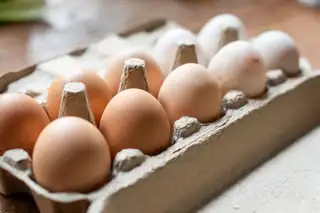
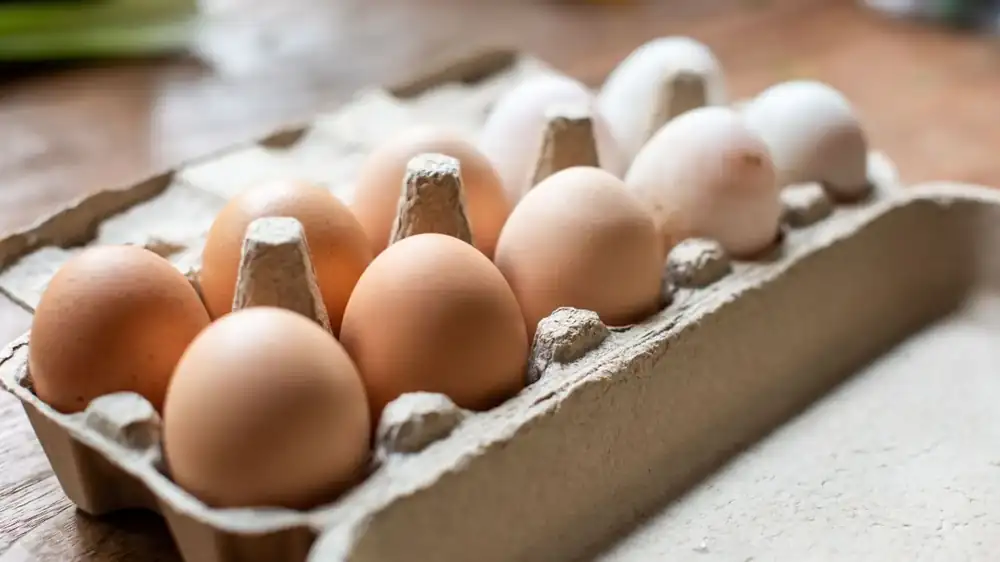
Food writer Mary Berry recommends storing them in their original packaging on a middle shelf of the refrigerator at a temperature below 4°C. The cardboard box protects the peels and limits their exposure to strong odors, because the peel is not completely waterproof: cheeses, onions, or highly aromatic foods can leave their mark.
The door compartment is the best place to avoid. Every time it's opened, the food in that area undergoes constant temperature changes, and the door's movement doesn't promote stable preservation either. Expert Jenna Kelly also points out that these temperature fluctuations can cause condensation on the peel, creating more favorable conditions for the growth of certain microorganisms.
The difference with Europe is largely explained by how eggs are processed before sale. In the United States, health regulations require that eggs be washed before being sold and kept refrigerated. Washing removes part of the cuticle, a thin, natural layer of the shell that acts as a protective barrier; once this barrier is weakened, refrigeration becomes essential, especially to slow the growth of Salmonella.
In Europe, however, industrial washing of eggs intended for consumption is not common practice, precisely to preserve their natural protective coating, and therefore they are sold outside of refrigerated sections. At home, it is also possible to refrigerate them to maintain a constant temperature. The important thing is to avoid repeated cycles between refrigeration and room temperature, and to leave them in the refrigerator until ready to use.
To extend their shelf life, eggs can be stored pointed down, which helps keep the yolk centered. It's also important to respect the date on the packaging and not leave refrigerated eggs at room temperature for extended periods. If freezing eggs, never do so in the shell: first crack the raw eggs and place them in a suitable container, a practical solution to avoid waste.