
Champiñones salteados sin un gramo de amargura: errores que muchos todavía cometen
Una canasta llena de boletus, chanterelas y algunos champiñones porcini es solo la mitad de la batalla.
A basket full of bay boletes, chanterelles, and a few porcini mushrooms is only half the battle. The second takes place in the pan and takes several minutes. A pan that's too cold, too many mushrooms at once, or salt added at the wrong time, turning the browned, firm pieces into pale morsels floating in water. Chanterelles also have a distinctive characteristic: a bitterness that can ruin the entire sauce. Below, you'll find ways to flavor mushrooms and learn about spices that will enhance their forest character, rather than drown it out.
How to fry fresh forest mushrooms so that they do not release water and are aromatic?
Mushrooms are about 90% water, and they want to get rid of it in the pan. Therefore, you have one important task: to ensure that this water evaporates quickly, rather than pooling around the mushrooms. Remove soil and pine needles with a brush or damp cloth, and save the tap bath for emergencies, the mushroom caps absorb water like a sponge and release it back into the pan.
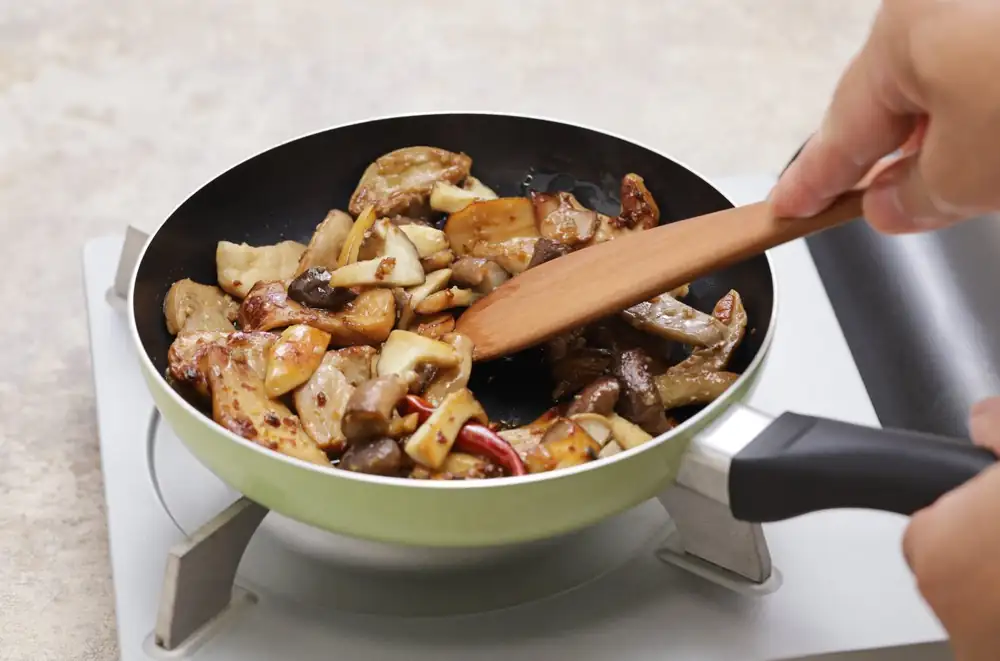
If you're wondering how to fry fresh wild mushrooms so they retain their moisture and are flavorful, start by controlling the temperature. Heat the pan thoroughly before adding any mushrooms, and add each batch in a single layer. If you pile them up in a heap, the temperature will drop, and instead of frying, the mushrooms will start to cook in their own juices.
A good start is a dry pan: only when the moisture has evaporated and the pieces begin to brown should you add the butter, onion, and garlic. Salt draws water out of the mushrooms, so add it at the very end, along with the pepper and herbs. And don't stir too often, as each piece needs a moment of contact with the hot bottom to color.
Why are chanterelles bitter and how can you prevent it?
Chanterelles have a buttery, slightly peppery sweetness, but sometimes taste like bark decoction. Why do chanterelles taste bitter and how can we prevent it? Some of the causes begin in the forest. Bitterness is most often found in old, overgrown specimens and mushrooms gathered during drought and heat. Many mushroom pickers add chanterelles from coniferous forests to this list.
The second group of causes lies in the kitchen. Chanterelles frozen raw and kept in the freezer for more than three months almost always turn bitter. Cooking them too briefly has a similar effect. A mushroom barely turned in a pan won't have time to lose its bitter notes. Drizzling them with oil doesn't help either. It's better to brown them in clarified butter or without fat at all.
Choose young, firm caps, harvested just after a rain. Before frying, blanch them in boiling water for three to five minutes, drain, and then brown them. Do the same before freezing, and blanched chanterelles will survive the winter without becoming bitter.
If you still feel a bitter aftertaste, salvage the dish with onion sautéed in butter, a spoonful of sour cream, or a pinch of sweet paprika. The sweetness of the onion and the fat from the butter or sour cream effectively tone down the bitter aftertaste.
What spices best enhance the flavor of stewed mushrooms?
It's easy to overdo it with stewed mushrooms. You'll add too many herbs, and instead of a forest, you'll end up tasting like a shelf full of spices. Which spices best enhance the flavor of stewed mushrooms? Salt and freshly ground pepper are the base.
Add salt gradually and taste after each pinch. Even salt alone can completely transform the flavor of an entire dish. Bay leaf and allspice create a pairing that's hard to imagine Polish mushroom sauce without. They'll give your dish a herbal, spicy note and characteristic warm undertones, reminiscent of cloves and nutmeg.
The best herbs are thyme and marjoram. The former has a slightly spicy, warm aroma and a subtle bitterness that complements the earthy flavor of mushrooms, while the latter adds a sweet note and is especially well-suited to sauces. Rosemary smells of resin and pine, so it complements a forest atmosphere well. Use it sparingly, however, as it quickly overwhelms the other spices. Garlic and onion create a backdrop for the entire dish.
Add the dried herbs and bay leaf at the beginning of the cooking time to release their flavor, and the fresh parsley just before serving. A spoonful of cream mixed in at the end rounds out the flavor and ties everything together.