La fruta inesperada que hace maravillas para ablandar la carne de res
No siempre es necesario comprar cortes de carne caros para disfrutar de un delicioso plato de ternera. Existen varias maneras de ablandar los cortes más económicos para que queden igual de tiernos y jugosos que los más caros. Un método común consiste en marinar la ternera con frutas como piña, papaya e higos.
You don't always need to buy expensive cuts of meat to enjoy a delicious beef dish. There are several ways to tenderize more affordable cuts so they're just as tender and juicy as the more expensive ones. One common method is to marinate the beef with fruits like pineapple, papaya, and figs. But did you know you can also use pears to tenderize meat?
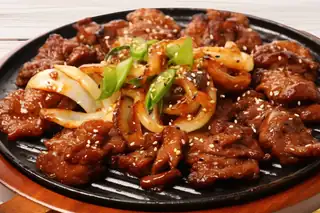
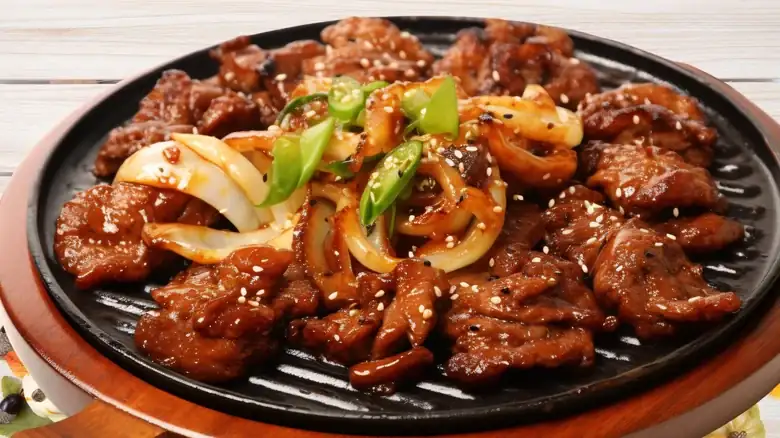
If you're familiar with Asian cuisine (especially Korean), the idea of using pears won't surprise you. Korean barbecue beef dishes, such as Galbi (Korean-style short ribs) and Bulgogi, are traditionally prepared by marinating the meat in crushed pears, among other ingredients. Besides tenderizing the meat, the pear enhances its flavor with its sweetness. By adding the fruit, you can forgo sugar and still achieve that signature sweetness of Korean barbecue beef.
Korean recipes often use Asian pears (also known as Korean pears or apple pears). They are distinguished from other varieties of this fruit by their apple-like shape and crisp texture, which contrasts with the soft flesh of most pears. However, any other type of pear can be used to tenderize beef, including the popular Bartlett.
The science behind the meat-tenderizing properties of pears
All the fruits used to tenderize meat work similarly, transforming tough cuts into tender portions. But first, we need to understand the structure of meat to grasp the science behind the tenderizing process. Meat is composed of muscle fibers and connective tissue that binds the fibers together and the various muscle bundles to adjacent bones. All these fibers and tissues are made of protein, which is what maintains the meat's structure. Therefore, to tenderize beef, it's necessary to break down the proteins, or muscle fibers.
When using fruit to tenderize meat, the breakdown of proteins occurs through the action of proteolytic enzymes present in raw fruit. Pears contain a cysteine protease that performs this function. Similar proteolytic enzymes are also found in other fruits under different names, such as bromelain in pineapple, actinidin in kiwifruit, amylases in mango, and papain in papaya.
How to tenderize beef using pears
The process for tenderizing beef with pears involves marinating it before cooking. Start by buying fresh pears; avoid using heat-treated or canned pears, as they are exposed to high temperatures during processing, which can denature the enzymes and prevent them from working properly. Wash the pears and prepare them by dicing them, mashing them, or blending them until smooth. If you prefer, after blending, you can strain the juice and discard the pulp.
Now, place the pear puree or juice in a bowl and add the remaining marinade ingredients (if using) before adding the meat. Remember to slice the meat very thinly before marinating, as this increases the surface area and allows the marinade to penetrate better. Mix well so that the entire surface of the meat is coated with the marinade or pear puree. Refrigerate and marinate for a few hours. Depending on the toughness and size of the meat, you can marinate it for three to twenty-four hours. Once the marinating time is up, remove the meat and cook it as usual, whether in a pan, on the grill, or in the oven. Get ready to enjoy the juiciest and most tender meat you've ever tasted.