Por qué conviene aprender a preparar un tadka indio
El tadka, el templado de especias en grasa caliente, da a los platos indios sabores intensos y aromáticos que se basan en principios científicos.
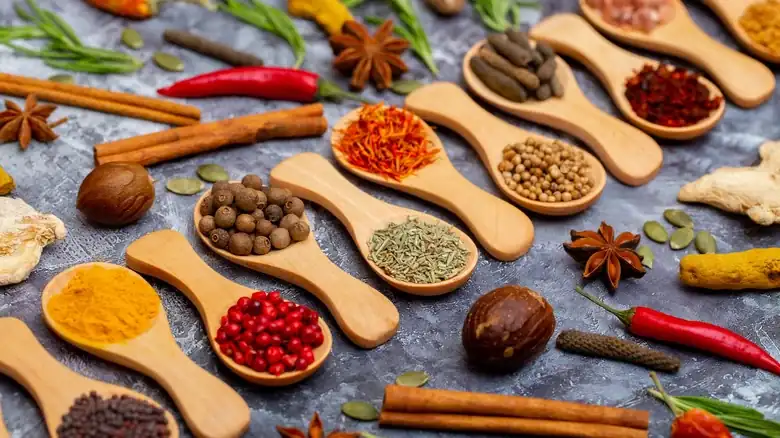
Spices and herbs have been used in cooking since ancient times, according to the McCormick Scientific Institute, and their use has been documented in ancient China, Egypt, Greece, and Rome. India has a long tradition with turmeric, ginger, cardamom, cinnamon, and cumin, and, according to BBC Future, its geography and climate make it ideal for spice cultivation.
Tadka involves adding spices to a hot fat, such as ghee (clarified butter), according to the Farmers' Almanac. According to NPR, tadka translates to "stained" or "stained." Heating spices in fat helps extract the essence of herbs like cumin, mustard seeds, and chilies, resulting in a much more intense flavor than simply adding them to meat and vegetables.
NPR recommends heating the fat over high heat initially and then reducing it to medium when adding the spices, which cook very quickly. It's best to remove the pan before they burn. Along with ghee, grapeseed oil also works well because it withstands the necessary high temperatures. Tadka can be added at the beginning or end of cooking, for a touch of flavor.
In addition to flavor, Times Food explains that sautéing spices in fat helps retain their properties. For example, garlic retains its antibacterial properties when sautéed, and cumin can aid digestion, according to Healthline. Other spices and herbs are believed to boost the immune system and reduce inflammation, especially when cooked properly.