El sabor del red velvet: suero de leche, vinagre y cacao para un pastel casi aterciopelado
Ácidos como el suero de leche y el vinagre equilibran el dulzor de este pastel, que suele cubrirse con un glaseado de queso crema.
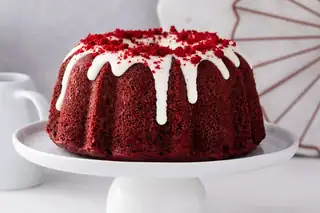
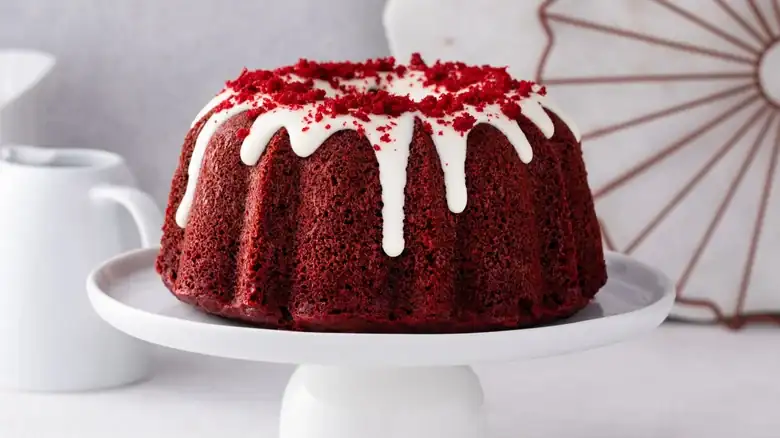
Combined with vanilla, red velvet cake has a balanced, almost velvety flavor. It's typically topped with cream cheese frosting, which adds a sweet and creamy layer with a slightly tangy note. The result is complex and difficult to describe, but it remains a favorite after all these years.
Recipes often include buttermilk for a specific reason: its acidity enhances the cake's characteristic flavor. Ina Garten considers buttermilk the secret to achieving perfectly moist red velvet cupcakes.
That acidic touch complements the vinegar, and most recipes include raw cocoa powder, also slightly acidic, which adds richness without overpowering the other flavors. For the deep red color, almost all use food coloring, although natural colorings like beet juice also work.
The cake has its roots in the Victorian era, when vinegar and buttermilk were essential for achieving a tender sponge. With raw cocoa, the vinegar imparted a reddish hue that laid the foundation for the current color. Over time, processing the ingredients eliminated the chemical reaction that produced that color, and bakers began using food coloring.
Its popularity grew when the cake appeared on the menu of the Waldorf-Astoria, a luxury hotel in New York, and around the same time it was being sold in a department store in Canada. John A. Adams, inspired by the cake he tasted at the Waldorf-Astoria, later developed red food coloring. Cream cheese frosting, however, did not become widespread until later.
Today, red velvet may look and taste somewhat different than it did in the past, but its essential flavors remain intact.