How does nixtamalized corn differ from regular corn?
Nixtamalized corn comes from common corn, but it is soaked in an alkaline mixture that changes its texture, flavor, and nutritional value.
All nixtamalized corn comes from common corn, but not all corn is nixtamalized. There isn't a specific variety called nixtamalized; it's usually common field corn with large ears, either yellow or white. Nixtamalization begins with dry, whole kernels soaked in an alkaline mixture that softens their hard outer husk. The most common mixture is water and lime. Lime isn't the fruit; it's calcium hydroxide, obtained from processed limestone. Before lime was commercially available, wood ash was used, a practice that is still sometimes used in Mexico.
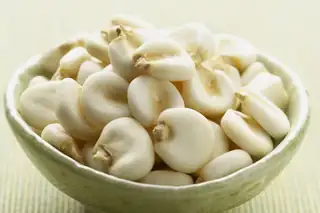
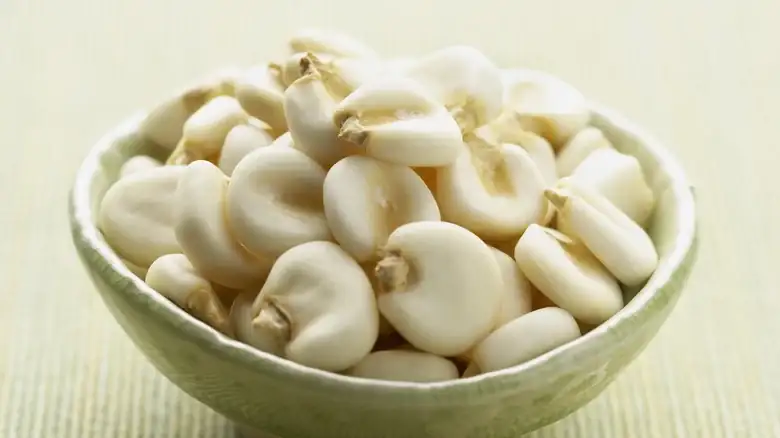
Once nixtamalized, the corn is called nixtamal, which in Spanish is known as hominy. It is sold canned, dried as whole kernels, or coarsely ground to make grits. Nixtamal is also ground to make masa, a key component of Mexican cuisine used to prepare tortillas and tamales.
Nixtamalization also changes the nutritional profile. By softening and removing the pericarp, the fibrous outer husk of the grain, the protein becomes more bioavailable. This facilitates the digestion and absorption of essential amino acids such as lysine and tryptophan. It also increases the availability of niacin (vitamin B3) and calcium, making it nutritionally superior to common corn.
According to history, the Aztecs and the Maya were the first to practice nixtamalization in Mesoamerica. It was likely developed to soften hard corn kernels and produce tastier, softer, and more pliable tortillas. It also allowed for a more nutritious diet and helped eliminate mycotoxins that can be present in raw corn.
Processing alters the texture and flavor. Nixtamalized corn, whether canned or cooked from dried kernels, has a somewhat bland taste: a starchy sweetness milder than that of fresh corn, with a slight nutty and earthy note, reminiscent of tortilla chips when cooked. Its kernels are large and soft, with an almost meaty texture, but they lose the crunch and juiciness of fresh corn and merely soften.
There are five types of corn, classified by the kernel, and over 900 varieties exist, varying in color, size, and flavor, from the sweetest to the earthiest. Nixtamalized corn (nixtamal) is usually made from a single type and has little flavor diversity. In Mexico, however, different heirloom varieties are nixtamalized to make masa, and that's where the diversity of flavors comes from.
The most well-known Mexican dish made with this corn is pozole, a pork soup with chiles and garnishes such as radish, cream, lime, and shredded lettuce. In the southern United States, grits are a classic dish made from coarsely ground, dried nixtamalized corn, which is soaked in salted water or milk and eaten primarily for breakfast. It is easily confused with polenta, which is made with unnixtamalized yellow corn.