
Wineries that opt for unconventional names to sell their wine
The name of a wine can convey values and emotions, and some brands use it to reach a specific audience.
Since the dawn of humanity, language has served to communicate ideas, emotions, and concepts, and a single word can convey different messages depending on its historical and cultural context. In the wine sector, this power is an opportunity: the names of companies, wines, and product lines convey values, evoke emotions, and target a specific audience.
A name is a crucial aspect, similar to a logo, that can change a brand's destiny. Reilly Newman, founder and brand strategist at Motif Brands, explained in a recent Wine-Searcher article: “When choosing a name, companies should consider their strategy and how they want to be perceived. For example, a longer name can make a brand seem more established, while a shorter, catchier one can give it a more contemporary feel.”
The wine market is becoming increasingly competitive, and creative and even funny names can help a bottle stand out from the competition.
Laura Huebner, founder, brand strategist, and creative director of Dotted Design, emphasizes that the name should reflect how the brand wants the consumer to feel: “When naming a wine, we must think about how we want people to feel and what differentiates us in the market.” She adds, “Words that evoke the connection between our values and the customer’s needs are the most effective. If we try to appeal to everyone, we end up appealing to no one, so we have to be careful not to be too generic.”
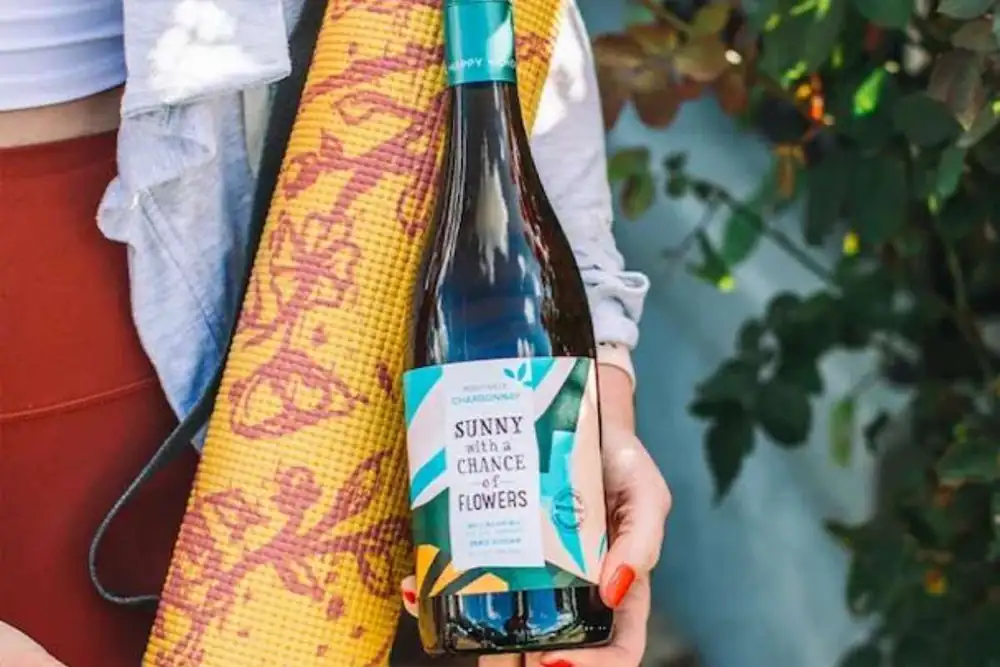
Scheid Family Wines, a California-based company located in Salinas Valley, has sought to move away from classic Cabernet Sauvignon and Chardonnay to appeal to a wider audience. Their Sunny With a Chance of Flowers line is a sugar-free, low-alcohol product with eye-catching packaging and a message of optimism, balance, and well-being. "The name seems to be a key factor in its success; we constantly receive feedback from consumers who bought their first bottle precisely because of the name," Heidi Scheid told Wine-Searcher.
In the United States, Sparkling Pointe Vineyards, on Long Island, launched Topaz Impérial, a dry sparkling rosé named after a very rare gem of a similar color, a name that evokes glamour, elegance and exclusivity.
In Italy, Ludovica Mazzanti, marketing director for Bibi Graetz, explains that her bestselling book Testamatta is a loving and humorous tribute to Bibi Graetz. “Testamatta means ‘crazy head,’ and it’s the best word to describe Bibi,” says Mazzanti.
Pasqua Wines, based in Verona, has also created some very original labels. Its two best-selling wines are 11 Minutes Rosé, which refers to the maceration time with the skins, and Hey French You Could Have Made This But You Didn't, a nod to French white wines. These are names that capture customers' attention and make them approach with a smile.