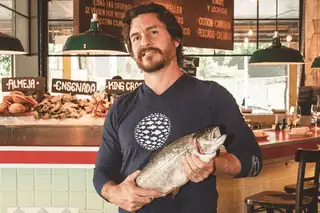
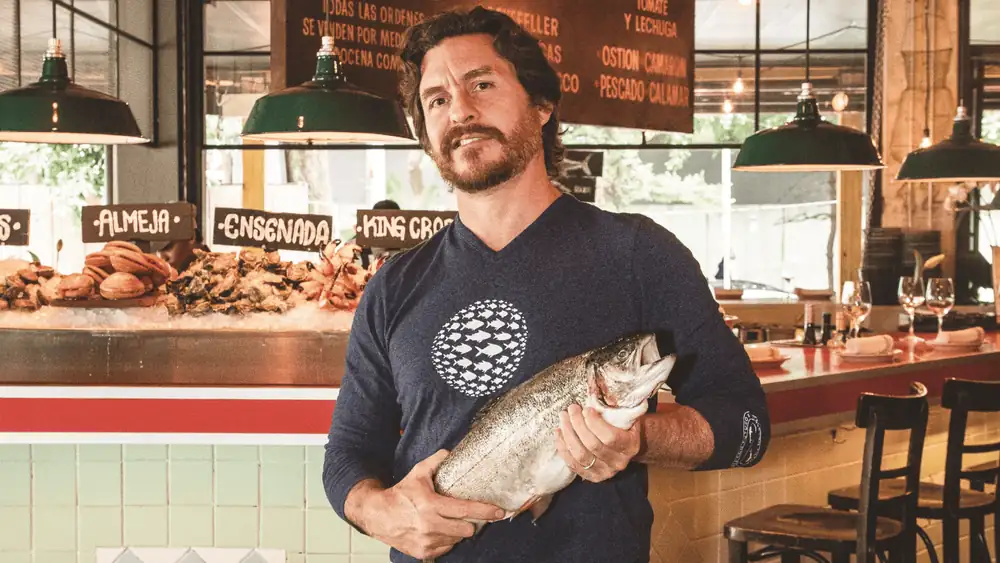
Pablo Ferrer elevates kosher in Mexico from the legacy of Elbio Frydman
Pablo Ferrer, founder of El Sargazo, takes kosher food to a new level of quality and service in Mexico, building on the legacy of Elbio Frydman.
Pablo Ferrer's story in the kosher world is told through the entrepreneur Elbio Frydman, who revolutionized the concept of banquets in the country and brought Ferrer into the kosher food industry. "With an unprecedented dedication to quality and a guarantee of excellence in every banquet, Don Elbio came to change the industry, not only kosher service, but banquets in general," Ferrer says.
According to the founder of El Sargazo, the Mexican market for kosher products doesn't always meet the desired standards, especially for meats like beef and lamb. By incorporating his products into Frydman's catering business, under the direction of Daniel Frydman, Ferrer diversified the seafood offerings for the Jewish community and imported high-quality beef and lamb. Since then, he has forged relationships with suppliers in the United States and Argentina.
Ferrer highlights the legacy of kosher regulations from a health perspective: they helped prevent foodborne illnesses before the invention of refrigeration. The restriction on the consumption of certain animals, such as pigs and mollusks, also stems from an ancient understanding of the risks associated with their eating habits. From scaleless fish, which are more prone to spoilage, to the lethal toxins of crustaceans and mollusks, the kosher approach ensured a safer diet in a context of lax sanitary control.
Many precepts of rabbinic law have been replaced by modern production methods, but Ferrer emphasizes that the sacrifice dictated by those precepts remains relevant.
Selling kosher in Mexico isn't easy. A major challenge is market homogenization, because Jewish communities cling to their own certifications, even when faced with products that meet high standards. "You can bring in an excellent product with a specific certification, but each community is only willing to buy the one their group prefers," says Ferrer.
The supply of quality meat is limited, and importing it from the United States increases the price and requires meticulous processes. "To import meat, the slaughterhouse must be certified by Cofepris, and very few meet our standards and, moreover, operate under the supervision of a rabbi," he explains. The quality and kosher process drive up the price: not all animals are kosher, and if the lung shows scarring from any disease, it can no longer be consumed. Furthermore, only the front part of the animal is used.
The cost of rabbinical supervision and specific ingredients, such as the vegetable rennet in kosher cheeses, makes this market expensive.