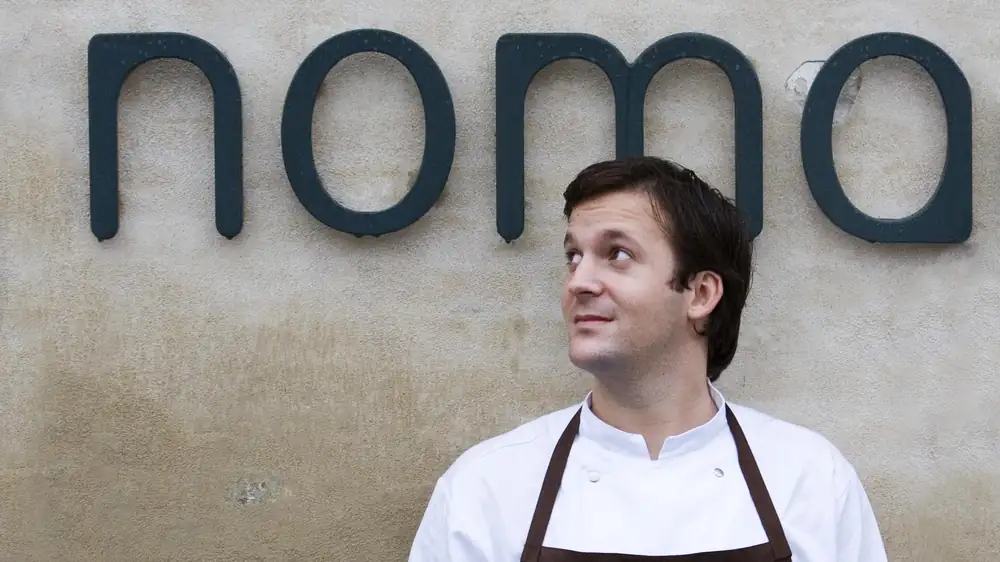
Gourmet gastronomy: Avant-garde temple Noma on its way to becoming a food lab
The world-famous Copenhagen Michelin-starred restaurant Noma wants to fundamentally reposition itself as a large laboratory for innovative food.
“To remain Noma, we must change,” announced chef René Redzepi and his team on Monday. The 2024 winter season will therefore be the restaurant's last in its current form. In 2025, it will be transformed into Noma 3.0, a large test kitchen dedicated to food innovation and the development of new flavors. Serving guests will remain part of Noma's identity, but it will no longer define itself by being a restaurant.
According to reports, plans for the major overhaul of the renowned restaurant have been underway for two years. Redzepi told the Danish newspaper Berlingske that, influenced by the first wave of the COVID-19 pandemic in 2020, he decided to put the restaurant on a different long-term economic footing, allowing him to focus more on creativity and less on production. The restructuring means that Noma will remain closed as a traditional restaurant indefinitely from 2025 onwards, but may reopen for a limited season each year in Copenhagen – or elsewhere in the world.
Observers also suspect that criticism of Noma and other high-end restaurants in recent years was a reason for the restaurant's closure. Specifically, the criticism focused on the exploitation of underpaid workers and unpaid interns. In a recent interview with the "New York Times," Redzepi questioned the entire concept of fine dining. "We need to rethink the whole industry," he said. The work is simply too hard and needs to be structured differently.
In the past, the culinary visionary has admitted that it takes immense working hours to produce Noma-quality food. Fairly compensating these workers is almost impossible if one wants to sell a product at prices that are even remotely realistic. And that's relative: A meal at Noma currently costs at least 500 euros.
Noma, which currently holds three Michelin stars, has been named the best restaurant in the world five times, most recently in 2021. Its name is composed of the first syllables of the Danish words "nordisk" (Nordic) and "mad" (food).