Muna: el laboratorio clandestino de cócteles peruanos
Muna solo es accesible con reserva, un bar clandestino donde la experiencia comienza con un museo del yonque, un licor tradicional peruano elaborado con caña de azúcar.
The experience in Muna begins in a museum dedicated to yonque, a traditional Peruvian liquor made from sugarcane. Hundreds of macerated liquors are displayed on dimly lit shelves: some have medicinal properties, others are said to soothe ailments of the soul. There are versions made with exotic fruits and hard-to-find ingredients, such as piranhas or jungle snakes. Under the watchful gaze of life-size religious effigies, visitors begin their evening by tasting this smooth and light liquor. But that is only the prelude.
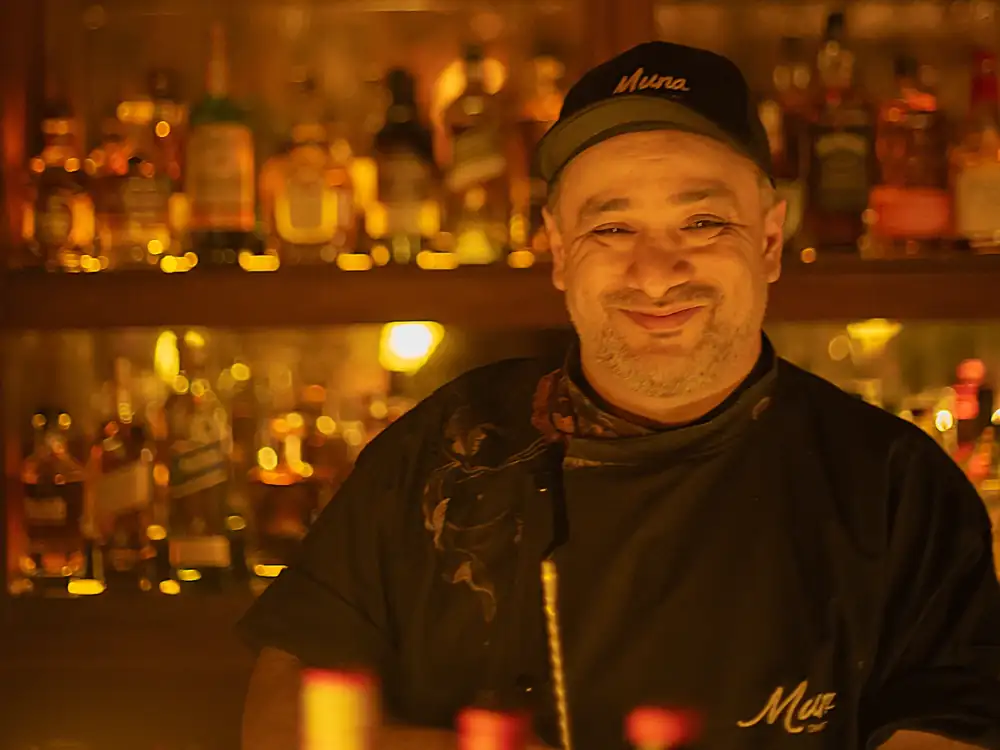
Behind one of the doors of this unique museum lies Muna. At Muna Craft Bar, Manuel Cigarróstegui, one of the country's most respected bartenders, has created something more akin to an alchemy workshop than a simple place to have a drink. Equipped with all the technology a bartender could dream of, from a sous-vide machine to a rotary evaporator, and with the variety of ingredients offered by Peru's diverse landscape, Cigarróstegui has managed to articulate, between the sea and the Amazon, his own language, fusing ancestral and contemporary techniques.
“Peru is no longer just pisco” says Cigarróstegui. “It’s our emblematic drink, yes, but we also produce agave spirits, fantastic whiskeys, gins with Peruvian botanicals, vodkas with native potatoes, and Peruvian chili liqueurs.”
Inside, the air smells of wood, citrus, and palo santo. In the background, you can hear the fizz of a siphon and the precise clinking of ice against the cocktail shaker. Behind the bar, each jar holds a story: fermented Amazonian fruits, purple corn distillates, sweet pepper syrup, clarified kefir with pompona vanilla, and reductions of jungle chilies. Here, cocktails are conceived as a meeting point between the ancestral and the contemporary.
Muna's menu is brief, twelve cocktails, but each creation involves a technical process that could fill a treatise. There are milk clarifications that achieve silky textures; redistillations that extract the essence of an ingredient without its weight; washes with butter or sausages that fix the aromas; fermentations that transform fruits into unexpected notes; and cold macerations that preserve the freshness of the ingredients.
More than just recipes, these cocktails have their own distinct personalities. The Rabbit & Sweet Pepper is made with twelve-year-old whisky, sweet pepper liqueur, carrot lactic ferment, orange juice, and a ginger-infused milk clarification. The Anticucho & Tucupí combines vodka, anticucho-infused yonque, tucupí-infused Worcestershire sauce, homemade sriracha, raw lime, and cold-filtered tomato juice: pure, silky, unique umami.
Muna means "to desire" in Quechua, and everything in this place revolves around that word: the desire to create, to remember, to drink with purpose. It's a manifesto on the craft and the infinite possibilities of the Peruvian larder. Cigarróstegui condenses all his experience into this project: every liquor, every cocktail, every gesture of service is part of a narrative where identity, the Andean worldview, the richness of the Amazon, and nostalgia intertwine.