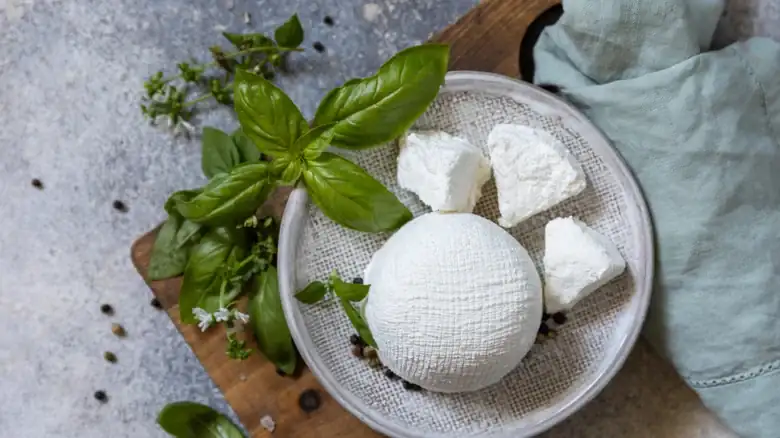
Ricotta Vs Cottage Cheese: Are They Interchangeable?
Though cottage and ricotta cheese closely resemble each other, cottage cheese rarely gets any love while most people seem to enjoy ricotta. This disparity makes little sense since both are soft, mild-tasting, and extremely versatile.
“in cottage cheese that ricotta doesn't share. That means ricotta is often perceived as luxe while cottage cheese is seen as something of an undesirable”
Despite the divisive attitudes toward these cheeses, similarities in texture and how they behave when heated make them fairly good substitutes for one another. In a pinch, cottage cheese can be a tasty, nutritious substitute for ricotta, while ricotta pairs nicely with fruit and honey as a stand-in for cottage cheese in your breakfast or as a snack. When you're substituting one cheese for another, however, it's important to understand their differences to make the swap successful.
What is cottage cheese?
This humble dairy product was a staple in European homes for thousands of years, receiving the name "cottage cheese" in the mid-19th century. Like many foods associated with rural lifestyles, cottage cheese was invented to prevent food waste. Milk leftover from making other things — such as butter and aged cheeses — was fermented with rennet, which turns lactose (milk sugars) into lactic acid. This process creates cottage cheese's signature curds, which are then separated from the liquid whey, rinsed, and mixed into heavy cream to provide moisture. The light fermentation gives cottage cheese its signature, funky flavor that some people love and others deeply dislike.
Fortunately, there are lots of ways to disguise the funk so you can enjoy cottage cheese. Layering it with fruit, honey, and nuts — similar to a yogurt parfait — helps bring out its fresh, sweet undertones and disguise the fermented flavor. Recipes like rich, creamy cottage cheese smoothies also provide a way to improve its flavor while adding a hefty dose of protein to your breakfast.
What is ricotta cheese?
This traditional Italian cheese is more than a trendy ingredient in light and luxurious pancakes (which are delicious). The modern version actually has origins dating back to Ancient Rome. Ricotta, means "recooked" because the cheese is processed twice — first when the milk is heated and again when the leftover whey is boiled to produce ricotta.
Ricotta has a luscious, slightly gritty mouthfeel and a mild flavor that works well in dozens of different recipes. The Ancient Romans used it as a main ingredient in libum, a breadlike cheesecake sweetened with honey and flavored with bay leaves and citrus.
Today, ricotta cheese is used in hundreds of Italian and Italian-American recipes, from stuffed shells and ravioli to calzones and pizza toppings. It's also a delicious base for many Italian desserts, such as cannoli cream and lemon ricotta cake. Ricotta also blends beautifully with cocoa powder and honey to create a light, rich-tasting chocolate mousse. Add a sprinkle of chopped nuts and sliced fruit for a truly elevated treat.
How to substitute these cheeses for each other
Though they share some differences in flavor and texture, ricotta and cottage cheese are similar enough that they can be swapped for each other at a 1:1 ratio. For instance, if you're making pancakes that call for ½ cup ricotta cheese, you can substitute ½ cup of cottage cheese and your recipe will turn out just fine. However, this substitution may subtly affect the flavor or texture of your recipe.
If you're making cannoli filling, cottage cheese may provide the same creaminess and moisture as ricotta. That being said, cottage cheese has a larger curd and slightly funky, fermented flavor that may challenge the palate. To account for these differences, you may want to blend the cottage cheese to a smooth consistency and add seasonings like cinnamon, extra vanilla, or orange extract to help mask the funk.
The nutritional differences between the two may also help determine which one is better for your personal needs and tastes. Cottage cheese is slightly higher in protein and much lower in fat than ricotta, making it ideal if you're building muscle or counting calories. However, ricotta is lower in sodium and higher in calcium than cottage cheese. This makes ricotta a better choice if you have high blood pressure or need to increase your calcium intake.