
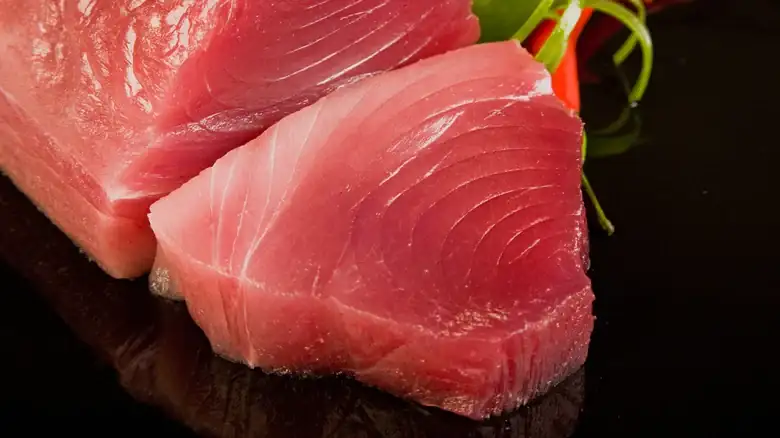
Tuna tartare versus carpaccio: two preparations, one ingredient
Although both use raw tuna, they are prepared in very different ways: tartare is mixed with seasonings, while carpaccio highlights the purity of the fish with minimal dressing.
As humans with fragile immune systems, we're taught that some raw foods are harmful. However, there are numerous dishes that demonstrate that, when prepared correctly, raw ingredients can offer a delicious culinary experience. The terms tartare and carpaccio aren't limited to tuna; they are cutting methods used to prepare a wide variety of meats and fish. To enjoy these recipes safely, it's essential that chefs use sushi-grade tuna. Raw meat doesn't cause illness on its own, but rather bacteria, so cooks strive to handle fish with the utmost hygiene.
Tuna tartare is typically made with diced fresh tuna and complementary ingredients such as soy sauce, sesame oil, lime juice, avocado, and chives. Unlike carpaccio, the flavor of tartare isn't solely focused on the fish; it's about how the different flavors combine to create something exquisite, something like a sophisticated tuna salad. Since the recipe calls for high-quality fish, the tuna should have a pleasant, mild, and buttery flavor. The texture of tartare is smooth yet firm, and can be almost creamy depending on how finely it's sliced. Presentation plays a key role: it's shaped into a mound or quenelle and garnished with ingredients like chives, sesame seeds, or microgreens. Its creamy texture pairs perfectly with crunchy foods like crackers or cucumber slices, making it a very popular appetizer.
Carpaccio is simpler, but no less sensational. Fresh tuna is sliced into very thin, almost translucent slivers, which are then delicately arranged on a plate. It's usually dressed with a drizzle of olive oil and lemon juice, and sometimes garnished with capers, arugula, or sea salt. Carpaccio is all about appreciating the purity of the tuna, highlighting its natural sweetness. The texture is smooth and delicate; it practically melts in your mouth because it's so thinly sliced.