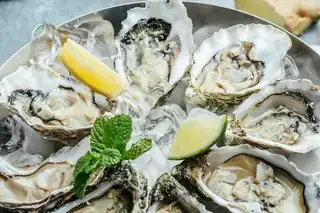
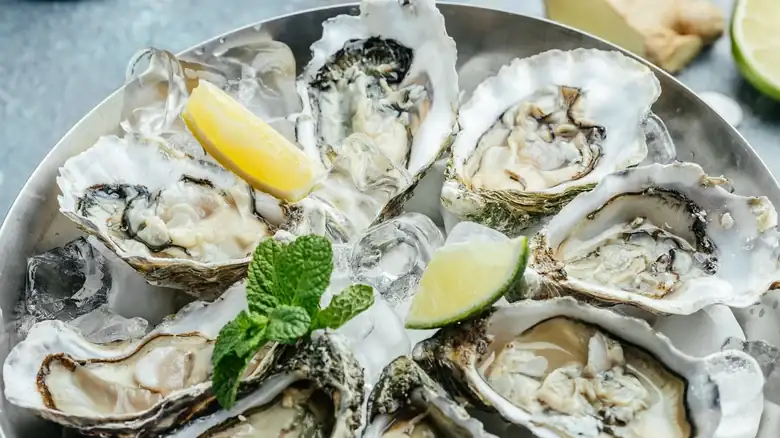
The basic rules for eating oysters at an elegant dinner
At an elegant dinner party, oysters can be served with or without a fork, and turning the shell over indicates that the oyster has been eaten.
“When it comes to sauces and preparation ... you really only need a drop of lemon juice,”
They were once an affordable meal for everyone, but over time they became a gourmet delicacy, often associated with expensive ingredients like crab or caviar. Today, it's not uncommon to find them at an elegant dinner, either as an appetizer or as a prelude to a main course. To eat them properly, it's helpful to know two rules: when to use your fork and how to indicate that you've finished.
An oyster fork is used to separate the oyster from its shell, and also to eat it if you don't want to slurp it. If a fork isn't offered, the usual and correct way to eat the oyster is to slurp it. If the waiter serves them without a fork, it means they've already been removed from the shell and are ready to eat, so there's no need to ask for one. If they're still slightly attached, you can separate them with a knife.
To slurp it, simply take it as if it were a bit of soup. Once finished, turn the shell over: this indicates that it has been eaten, and when all the shells are turned over, the waiter will know that the tray can be removed. Oysters have the same beige or pale gray color as the inside of their shells, so the waiter doesn't always distinguish which ones contain oysters.
Oysters are meant to be flavorful and enjoyable. They are usually eaten raw, although they can also be fried or prepared Rockefeller-style. When eating them raw, if a fork is offered, it's best to use it instead of opening them with other utensils, and to chew thoroughly, as they shouldn't be swallowed whole.
Chef Kyle Bailey of The Salt Line oyster restaurant in Washington, D.C., told Food & Wine that oysters should be enjoyed for their flavor, not the amount of dressing. “As far as sauces and preparation go… you only need a drop of lemon juice,” he says. To accompany them, Bailey suggests champagne, Scotch, or sake, depending on the oyster’s salinity.