Fashion or health: why does everyone want carob now? We asked a nutritionist
Carob: why do we like it so much?
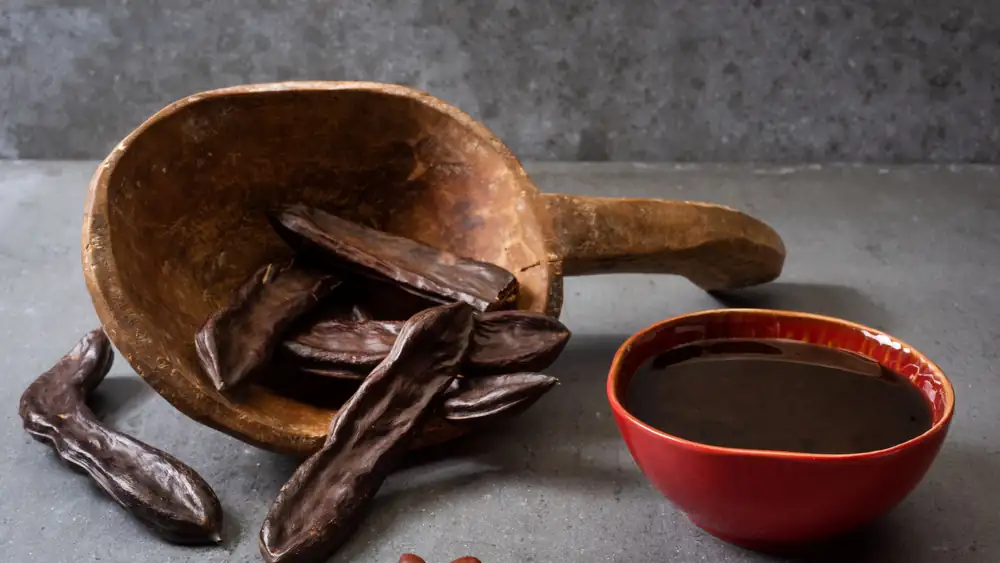
We've rediscovered the carob tree and its fruit: the carob. It was once used as fodder for horses and donkeys or as an ornamental plant in many gardens in Southern Italy because it's evergreen, requires little maintenance, and is so beautiful. Today, however, we eat carob as is and use it in cooking or in the artisanal and industrial production of various products.
Data from Insight Partners predicts that the global carob market will reach approximately $820 million by 2034, up from a base of approximately $576 million in 2025. And as demand increases, so too does the price, which has nearly tripled according to various estimates. Why do we all want carob now? Is it fad or health? We talked about it with Ilenia Grieco, nutritionist and founder of the Private Nutrition method.
What are the benefits of carob?
First of all, is carob good for you? "Carob is a very healthy fruit," Grieco begins. "It was once considered the poor man's chocolate, but today, thanks to several studies, we know it has beneficial effects, primarily on the microbiota and blood sugar levels. This is because it is very rich in insoluble fiber, which slows the absorption of sugars, providing prolonged satiety. It also nourishes the "good" bacteria in our gut, reducing inflammation and promoting overall well-being. There are also some studies linking the consumption of carob-based products to a reduction in bad cholesterol."
How to eat carob
One of the reasons carob is so sought-after is that we've learned to use it in so many ways: "Carob can be eaten in the simplest way, raw, when ripe and brown, by removing the seeds and scooping out the pulp with a teaspoon," explains Ilenia Grieco. "Its flour, made from the dehydrated and powdered fruit, can be used at home in a variety of preparations and is also suitable for diabetics and allergy sufferers. This same flour is used to make many products, both at home and industrially: from carobato, that is, chocolate in which carob replaces cocoa, to spreadable creams. Then there's the flour made from carob seeds, used in industry as a food stabilizer."
How many carob berries can you eat in a day?
"A carob or two a day, unless you suffer from intestinal disorders, is an excellent snack to eat mid-morning, afternoon, or evening after dinner," advises the nutritionist. "Carob chocolate, which contains no caffeine or added sugar, is also perfect, making it particularly suitable for children when they crave something sweet."
Do carob beans raise blood sugar?
Contrary to popular belief, carob doesn't raise blood sugar levels. "In addition to sugars, they contain a high fiber content that modulates the glycemic response, preventing spikes. Obviously, the dose is the poison: you shouldn't overdo it, as with any other food. Nor should you think of carob as a 'superfood': superfoods don't exist."
How to choose a good carob product
It's also true, however, that when you're not eating the fruit itself but a processed product, it's important to check the label: "Carob should be the main ingredient, present in a high percentage. Furthermore," concludes Grieco, "the product in question shouldn't contain added sugars or artificial fats, which are sometimes used in carob syrup, spreads, biscuits, or baked goods in general."