The Culture Of Afterschool Snacking In France That Even Adults Can't Resist
In America, we tend to snack whenever the mood strikes. However, in France, people seem to put more thought into not only when they eat but what specific foods are most enjoyed within these time parameters.
Goûter directly translates in English as "to taste" but is also defined as a mid-afternoon snack for those under the age of 18. This cultural tradition developed during the French Renaissance, with some of the earliest artworks depicting images of French children snacking with their families during the 18th century. While this cultural practice has occurred for many years, what makes the European kid-friendly snack tradition so tempting for adults too? Le goûter is a snack built around pleasure. Not only do French children indulge in crêpes and homemade pastries around 4 p.m., but they're also encouraged to do so after such a long day at school. Le goûter is also irresistible to many French adults, and there are many everyday examples of this indulgent afterschool snack.
Common examples of le goûter
Even though the decadent French afterschool snack has been given to children for decades, Americans are slowly noticing its appeal thanks to the wonders of social media. TikTok shared its love for afterschool snack baguettes after seeing one mother hand her child a crusty sandwich filled with butter and chocolate. While crêpes and homemade baked goods are often part of le goûter, there are some guidelines many French families tend to follow so their children can stay full until the final evening meal.
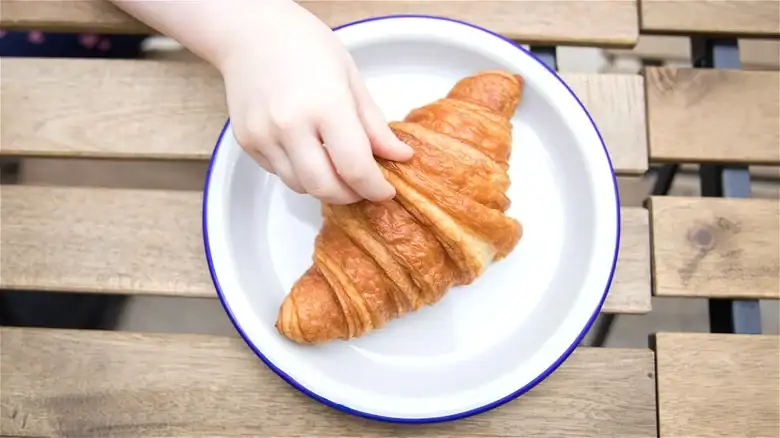
Based on nutritional advice from Snippets of Paris, a typical goûter would include two items that include either a significant amount of carbohydrates, a good source of calcium from dairy, a fruit source (whether it be fresh or in jam form), and always some drink of choice such as juice, milk, or tea. For most French children, le goûter is the only real snack of the day and most families treat it as a special event or occasion. Some families decide to make special homemade tarts together with their children or grab a croissant on their way home from school pickup and sit together and chat about their day. Le goûter has become a cultural tradition for many French citizens, both young and old.
Le goûter isn't only reserved for those attending grade school
You might think le goûter is just for kids, but biscuits and bread slathered in Nutella are also enjoyed by French adults — especially in the company of friends. While eating a slice of raspberry yogurt bundt cake tastes delicious no matter what, sharing a piece with friends after a long day makes the experience even more enjoyable. Le goûter has always been a cultural tradition of sorts, a time for adults to socialize and divulge about the previous hours of their day.
Apart from the allure of warm chocolate pastries and good conversation, French citizens eat dinner later in the evening than most Americans. While we typically eat around 6 p.m., French citizens usually eat dinner between 7:30 and 8:45 p.m., so the bridge between lunch and dinner is extensive. There is also the intentionality factor: France is full of food lovers who approach meals and specialized snack times in a thoughtful manner. They maintain healthy minds and bodies because they savor those sweet indulgent foods with purpose. While America may not have its own culture surrounding le goûter, we may be able to learn a lesson or two by savoring an afternoon moment with friends and a much-welcomed slice of chocolate cake.