Organic honey is the future of bees, and of all of us
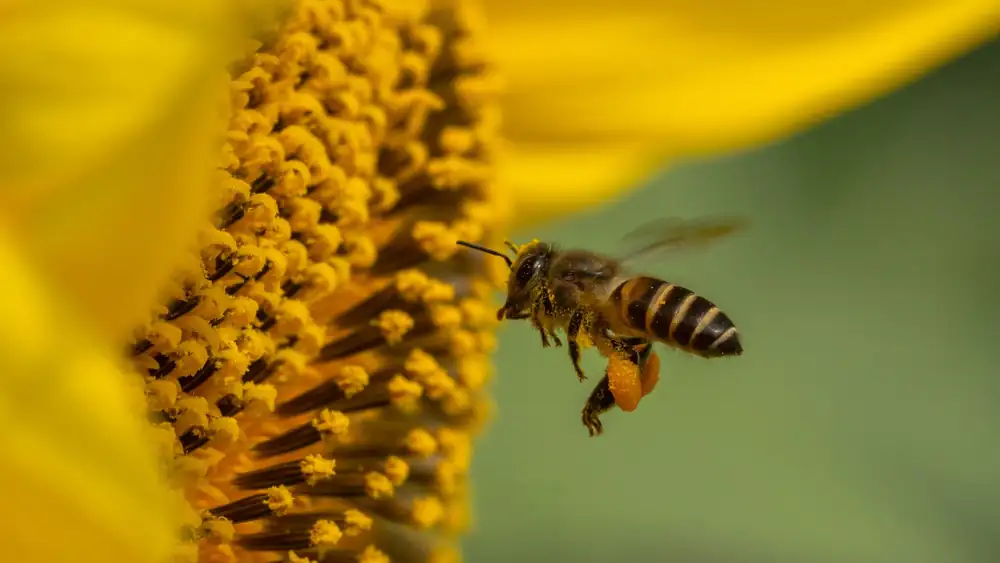
Our future is tied to that of bees: they pollinate flowers and plants, and without them, much of the food we eat would not reach our tables. Seventy percent of the planet's edible crops depend on these hardworking insects, but their survival is increasingly at risk, primarily from the use of pesticides in our fields.
Why choose organic honey
Choosing a product made with respect for nature is the first essential step towards ensuring a better future for bees, and therefore for ourselves. This begins with honey: the origin of everything. Organic honey follows the natural rhythms of these precious insects, thus ensuring their survival and proliferation. It is the first guarantee of biodiversity, which is the Earth's true wealth: that perfect balance of ecosystems made up of the vast and varied plants, flowers, and animals that feed on them, in which bees play a crucial role.
Conapi and its commitment to a better future
Safeguarding them, and safeguarding the health of the planet, is the mission of Conapi, Europe's largest beekeeping cooperative with over 600 beekeepers, 110,000 hives, and 5 billion bees, and the most important Italian supply chain for beehive products. A food company that opposes the intensive use of pesticides, that sets standards with its innovative and cutting-edge processing methods in terms of environmental protection, and that—not least—over the years, with its exemplary commitment, has helped raise consumer awareness of the role the food we eat plays in the health of the planet, and therefore, our own.
Organic honey is genuine
Organically produced honey is genuine, delicious, and healthy. It's rich in nutritional properties: it's a valid and healthy sugar substitute because it naturally sweetens while simultaneously providing essential nutrients like vitamin C, minerals like iron, magnesium, and calcium. It's also a natural antibacterial, an ally in tissue repair and intestinal health, and is easily digestible: it provides instant, readily available energy, as many athletes who have made honey their first great ally know well.
What does it mean for honey to be certified organic?
The choice, therefore, is ours, just as organic farming is a deliberate choice for a beekeeper: it requires commitment, effort, and sacrifice. It means forgoing chemicals and choosing the longer, more arduous path of nature. And it also means adhering to extremely strict rules and controls that make organic certification an absolute guarantee. To be an organic farmer, you must complete a training program lasting up to three years, choose certified native breeds, provide natural nutrition for your bees, and leave them abundant supplies of honey at the end of the production season. Furthermore, organic certification requires treating them exclusively with authorized natural methods such as essential oils, placing the hives—made of natural, non-toxic materials such as wood—away from sources of pollution, and extracting honey when at least 70% of the comb is covered in wax.
Organic honey is the future for all of us
The result is worth all the effort: organic honey ensures the survival of ecosystem balances, but it is also the best way to support farming communities and preserve the unique characteristics of their lands. It's the best way to nourish the present and fuel the future—that of bees, the planet, and all of us.