All the taste of Piedmont
Piedmont is among the Italian regions boasting a rich heritage of flavors, waiting to be discovered in every season. Throughout its provinces, artisanal traditions are strong and deeply rooted, and the production of wine, cured meats, cheeses, rice, meats, and desserts is a constant source of surprises.
Tradition is served
The region's great products inevitably gave rise to traditional recipes, now renowned and enjoyed worldwide. Among first courses, risottos take pride of place, thanks to the production in the provinces of Vercelli, Novara, and Biella, home to Riso di Baraggia Biellese e Vercellese, the only Italian DOP rice, featuring the Arborio, Baldo, Balilla, Carnaroli, Sant'Andrea, Loto, Gladio, Gigante Vercelli, and Vialone Nano varieties. Must-try recipes include paniscia di Novara and panissa di Vercelli, risottos creamed with local cheeses, and risotto with the prized Alba White Truffle. Those interested in learning more about the history and local rice production can visit the Rice Weeders Museum at Cascina Colombara in Livorno Ferraris, where you can also purchase rice from the Bassa Vercellese area.
Another regional pride is its meat production, from Piedmontese beef to white meats such as the Saluzzo blonde hen and the Carmagnola gray rabbit, from the Morozzo capon, a Slow Food Presidium, to the Sambucana lamb raised in the Occitan valleys of Cuneo, to the Camosciata goat from the Vigezzo Valley, not to mention the traditional snails of Cherasco and Borgo San Dalmazzo and a taste of the delicate golden hunchbacked tench from Poirino. The most representative recipes are veal with tuna sauce and braised beef in Barolo, while a truly unique experience is the bollito misto, composed of seven different cuts of meat, traditionally served with seven different sauces. A visit to the centuries-old Bue Grasso fair in Carrù in December is not to be missed; the town is also home to the Casa della Piemontese, the first museum in Italy and the second in Europe dedicated to a cattle breed. The visit allows you to discover the history, the breeding techniques and the work in the stable, while the tasting at the end of the tour allows you to taste the meat to learn about its excellent qualities, the different cuts and the best ways to cook them.
Memorable snacks
The selection of cured meats and sausages is remarkable: from the Cuneo DOP cured ham to liver mortadella and black puddings such as Mustardela from the Waldensian Valleys in the province of Turin, from pork salamis (the famous douja, preserved in a terracotta pot and soaked in lard, the Bormida Valley filet baciato, or Canavese salampatata, mixed with potatoes), to the Bra sausage, made from beef. Among the cured meats of the Ossola Valley, the most typical is the violino, made from goat, lamb, or chamois. It owes its name to its distinctive shape, reminiscent of a musical instrument, and to the way it is cut, which must be done with razor-sharp blades, resting the cured meat on the shoulder and using the knife as if it were a bow. Cheeses are equally popular, including the famous Bra, Castelmagno, Murazzano, Raschera, Robiola di Roccaverano, Montebore, and Gorgonzola. Those produced in Val d'Ossola are all worth discovering: alongside the rare Bettelmatt, you should also try the Grasso d'Alpe, the Nostrano di Latteria and the mascherpa.
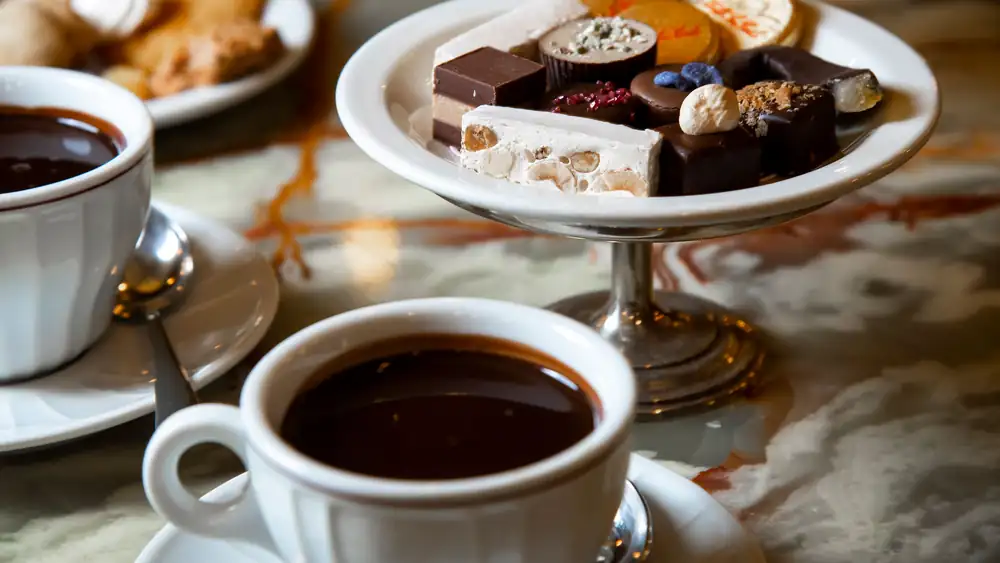
Chocolate lovers will also find more than one treat to indulge in, including bars, pralines, cremini, truffles, cri-cri, and the ever-popular gianduiotti, created in Turin in 1865 from the combination of cocoa and the Tonda Gentile delle Langhe hazelnut. These delicious chocolates, shaped like upside-down boats, are named after Gianduia, Turin's traditional carnival mask.
Excellent toasts
Piedmont's wine production is world-renowned. Alongside prized reds like Barolo and Barbaresco, there are the traditional Barbera, Dolcetto, and Brachetto d'Acqui. Ghemme and Gattinara, made from the region's flagship grape, Nebbiolo, are also produced, while Pelaverga di Verduno and Grignolino offer elegant, modern reds with great versatility. The white wines are also well worth trying, including Roero Arneis, Gavi, Erbaluce, and the age-old Timorasso, which is currently enjoying a revival and appreciation. Sparkling wines are also traditional, with Alta Langa and Asti accounting for the lion's share, while Brachetto d'Acqui and Moscato d'Asti are served with desserts.
Those who prefer cocktails to wine should visit Turin, considered the capital of the aperitivo: in fact, vermouth was born in the Piedmontese capital: an essential ingredient in mixology, it can also be enjoyed as it is here: neat, with ice and a slice of orange.