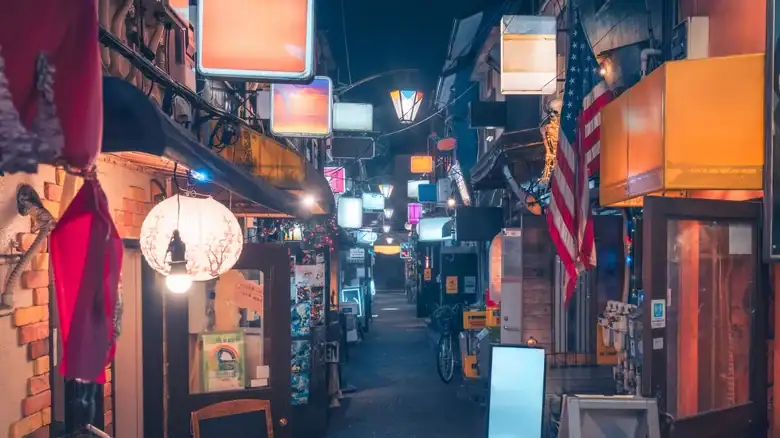
What Is An Izakaya In Japan And How Do They Differ From Restaurants?
In Japan, there are spots where you can hang out and enjoy drinks and small plates with friends, family, and coworkers to unwind after work, and they are known as izakayas. Known as Japanese gastropubs, the word itself combines "i" (to stay) and "sakaya" (sake shop), hinting at a place to linger over drinks.
The main difference between an izakaya and a traditional restaurant is the atmosphere and dining style. Restaurants and fine dining establishments often have individual, multi-course meals in a more formal setting, while izakayas prioritize a relaxed, communal experience. Think of it as the difference between a put-together tasting menu, and an informal get-together with shared plates. Izakayas are typically more budget-friendly than many restaurants, with a casual, interactive service style that encourages guests to order many dishes and drinks throughout the evening. The focus isn't just on the food, but on the overall experience of socializing, unwinding, and enjoying the company of others.
The menu items found at an izakaya
The izakaya experience is not only a social respite, it also features a diverse menu of small, shareable plates. You'll find familiar favorites like yakitori, skewers of grilled chicken glazed with a savory-sweet sauce, and yakisoba, a comforting dish of stir-fried noodles. Sashimi is another notable choice served in these gastropubs. Many izakayas showcase grilled fish, such as mackerel or salmon, often simply seasoned and paired well with sake. For a comforting option, oden, a slow-simmered stew featuring ingredients like fish cakes, tofu, and vegetables in a dashi broth, is a cold-weather favorite.
Outside of these staples, you'll likely find many agemono (fried foods), including karaage (Japanese-style fried chicken) and tempura, featuring lightly battered and deep-fried vegetables or seafood. Rice dishes, salads, and even Western-influenced items like French fries can also be found. This selection offers something for every visitor, making izakayas ideal for exploring the Japanese food culture.
Izakayas are a common, casual spot for drinks
To add to the experience and the food, izakayas offer many alcoholic beverages, including selections of sake, from crisp and dry, to mellow and sweet, as well as Japanese beers, shochu (a distilled spirit), highballs, and Japanese whiskey. If you're looking for a craft cocktail or mixology experience, you typically will not find that at one of these establishments. This is a casual spot to head to after work or a nice dinner, but it's often a late night destination as well to keep the party going.
Since izakayas are an important part of Japan's social scene, they can be found quite widely across Japan, especially in larger cities. You will not have a difficult time spotting one, as some izakayas are marked by akachochin (red lanterns) hanging outside.