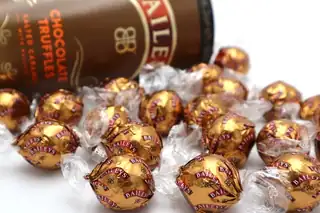
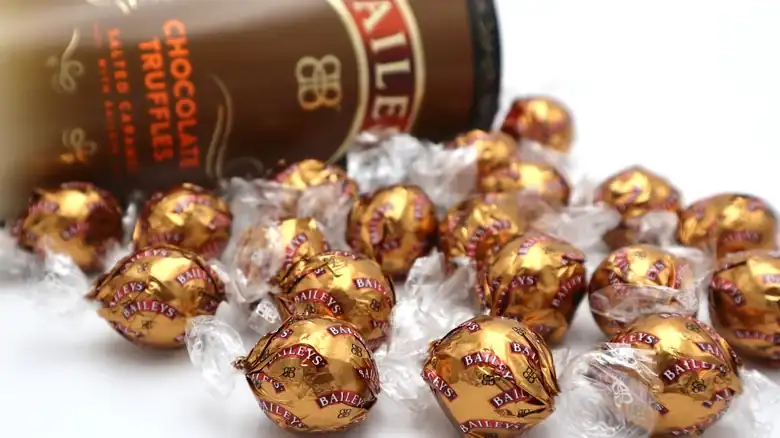
Can chocolates filled with alcohol really make you drunk?
The idea of getting drunk on alcoholic chocolates might sound tempting, but it's not very realistic. Most of these sweets contain a minuscule amount of alcohol, usually between 2 and 5%.
The idea of getting drunk on alcoholic chocolates might sound tempting, but it's not very realistic. Most of these sweets contain a minuscule amount of alcohol, usually between 2 and 5%. To reach a blood alcohol concentration (BAC) close to the legal driving limit, you'd have to eat a huge amount of these chocolates, and you'd likely experience a sugar rush or stomach upset before feeling any effects from the alcohol. In short, these chocolates are more about the flavor.
Typical recipes for alcoholic chocolates use a small amount of liqueur compared to the other ingredients. One recipe might use two tablespoons of raspberry liqueur for 32 chocolates, while another uses a quarter cup of liqueur for half a kilo of chocolates. This means that each chocolate has a low alcohol content. A standard serving of liqueur in the United States is 42 ml (1.5 ounces). With only a quarter cup (60 ml) of liqueur divided among approximately 32 chocolates, each chocolate contains less than 3 ml (0.1 ounces) of liqueur.
To consume the same amount of alcohol as in a single drink, you'd have to eat a lot of chocolate. Factors like body weight and even genetics can influence how the body processes alcohol, and the amount of alcohol in each chocolate varies depending on the type of liquor and how it's made. Just like with bourbon chocolates, you're more likely to perceive the sweetness and richness of the chocolate before any effects of the alcohol.
The best combinations of chocolate and alcohol
The combination of chocolate and alcohol can result in delicious flavors. When done correctly, both ingredients harmonize perfectly. The rich, slightly bitter taste of dark chocolate pairs well with full-bodied spirits like whiskey or cognac. The caramel and nutty flavors of bourbon complement the richness of dark chocolate, especially those with a high cocoa content (between 70% and 85%).
The earthy notes of cognac or whiskey enhance the toasted flavors of chocolate. If you're pairing dark chocolate with whiskey, look for those with nutty or spicy notes. Milk chocolate has a sweeter, creamier flavor that pairs well with light spirits like rum or the spirit in Baileys Irish Cream. The caramel and vanilla flavors of Irish cream balance the sweetness of milk chocolate. White chocolate is the sweetest and pairs well with fruity liqueurs or dessert wines. The floral flavors of gin or the acidity of blanco tequila make the sweetness of white chocolate stand out. The sugary taste of white chocolate also pairs well with the fruity flavors of sweet wines like a Chenin Blanc, which has honeyed notes, or a Brachetto d'Acqui, with its raspberry undertones.
The amount of alcohol in these chocolate combinations can vary depending on the type of chocolate and the alcoholic beverage. It's recommended to start with a small amount and add more to taste. You can also use traditional beer-infused truffle recipes or a chocolate ganache to give your chocolate treats a different twist.