What does the numerical classification of tuna mean and how to read it
Many vendors rate tuna using a numerical system inspired by Japanese tradition that assesses the fat content and appearance of each piece.
Tuna aficionados know there's a wide variety of fish. Depending on the species, cut, and quality of the fish, the flavors and textures vary considerably, which is why many vendors use a grading system. Inspired by Japanese tradition, it assesses the fat content and appearance of each fish, similar to how the best cuts of beef are graded.
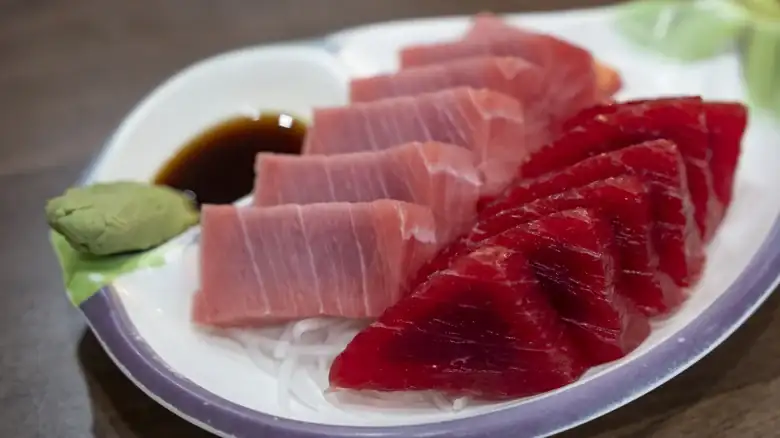
Tuna is classified into four grades: 1, 2+, 2, and 3. The two highest grades, 1 and 2+, are best suited for eating raw, such as sushi or sashimi. Grade 2 tuna typically has an uneven color, less vibrant patches of flesh, and less fat, although it is still a delicious steak. Grade 3 tuna has a lean texture and an unappealing brown color, so it is best reserved for high-temperature cooking methods, such as smoking or poaching.
The classification is based on different criteria depending on the species. The amount and density of fat are particularly important in bluefin tuna, the largest species. In bigeye tuna weighing over 45 kg, marbling is also taken into account. Yellowfin tuna is examined almost exclusively for its color, and albacore tuna receives no classification.
These ratings are done by private companies, which may be external experts or the fishmongers themselves, and the system allows for a degree of subjectivity. In the United States, regulations for the quality of tuna used for sushi are not clearly defined. The FDA provides guidelines for flash-freezing tuna, but does not inspect its appearance or quality.
That's why it's best to only consider ratings from reliable sources. A seller who offers the full range, instead of just using premium tuna as a marketing ploy, deserves more trust. To choose, consult your fishmonger's rating system. With a fresh, well-marbled cut, the quality is evident on the plate.