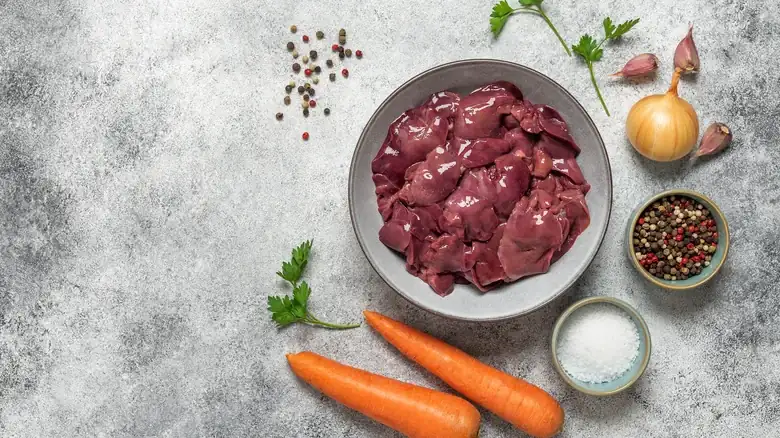
¿De verdad conviene remojar el hígado en leche para obtener el mejor sabor?
El hígado es una de esas cosas que suele provocar un gran "¡puaj!" cuando se menciona en una conversación. Pero, si bien a algunos les resulta abrumador su sabor amargo y sangriento y su textura correosa, otros no consideran su complejidad y su sabor terroso tan desagradables (juego de palabras intencionado).
Liver is one of those things that regularly gets a big "ew" whenever it comes up in conversation. But, while some find its bloody, bitter flavor and chewy texture overpowering, others don't consider its complexity and earthiness so offal (pun intended). Despite not being everyone's favorite, this underrated cut of meat is packed with essential nutrients to the point that a single serving can cover a host of your daily vitamin and mineral needs. When cooked properly, liver turns into an irresistibly soft and tender delicacy that practically melts in your mouth.
That said, what's the trick to masking its bitterness and convincing skeptics to give it a second chance? This is where milk comes into the picture. It might sound strange, but soaking liver in milk (or buttermilk which you can make with 2 everyday ingredients) for about an hour or so not only neutralizes its bitterness but also improves its texture. Just make sure not to overdo it, as soaking for more than two hours can make it too mushy. Milk naturally contains lactic acid, even if only in small amounts. This helps reduce microbial contamination in liver and improve its taste.
Why soaking in milk makes all the difference
In addition to removing toxins from the liver, acidic marinades help tenderize it by altering the proteins' structure through a process called denaturation. In comparison to vinegar and lemon-based marinades, lactic acid — which is the reason that yogurt tenderizes even the toughest steaks – is milder, so it takes a bit longer to work.
This prolonged enzymatic reaction is what actually prevents the liver from turning overly tough or mushy while preserving its natural moisture. Although this method may slightly change the liver's color, it won't impact its overall flavor. So, make sure to be generous with the milk and fully soak every part of the liver for the best results. Once the soaking time is up, pat the liver dry, season it to your liking, and cook it to your preference.
One way to prepare it is to coat it in flour and then fry it for a perfect, golden crust. If you'd rather try out a different cooking method, cut the liver into smaller chunks, thread them onto skewers, and grill them. All that's left afterward is to plate your tender, juicy liver and enjoy every bite without worrying about that bitter aftertaste. Who knew milk could be such a game-changer?