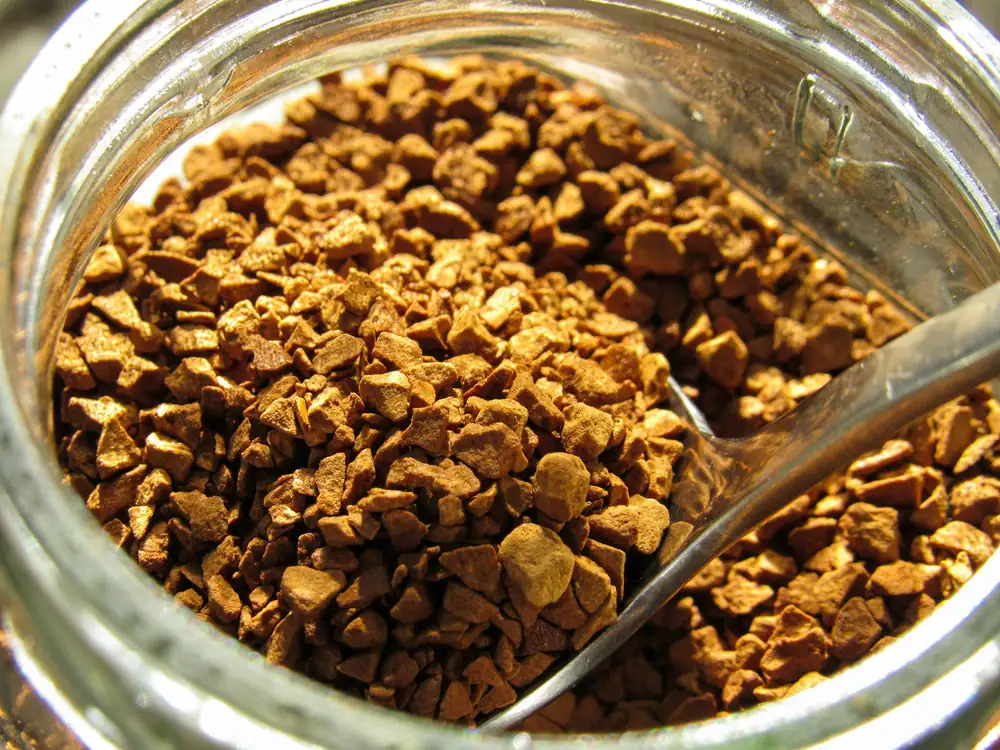
Learn why processed coffee benefits from the Mercosur-European Union agreement
The treaty provides for zero tariffs on roasted and ground coffee and soluble coffee within five years and recognizes Brazilian geographical indications, opening up opportunities for greater added value in the European market.
After 26 years of negotiations, the signing of the free trade agreement between Mercosur and the European Union could open a new front for Brazilian roasted and ground coffee and instant coffee in the European market — segments associated with higher added value.
According to a statement from the Brazilian Coffee Industry Association (ABIC) released after the signing on Saturday (17), the agreement provides for the gradual elimination of import tariffs currently applied by the EU, which are, on average, 7.5% for roasted coffee and 9% for soluble coffee. At the end of the tariff reduction process, Brazilian products should enter the bloc with zero tariffs, after five years from the entry into force of the treaty.
The reduction will be phased in: 20% upon the agreement's entry into force, 40% the following year, 60% in the second year, 80% in the third, and 100% in the fourth year, creating a predictable trajectory for expanding Brazilian exports of processed coffee to Europe.
Added value and geographical indications
In addition to the tariff effect, the agreement provides for the recognition of Brazilian geographical indications (GIs), including Cerrado Mineiro, Caparaó, and Matas de Rondônia. For ABIC, the measure expands the protection of designations of origin in the European market and reinforces strategies for differentiation and added value.
This location is considered strategic for repositioning Brazil in a global supply chain where, despite accounting for approximately 40% of global coffee production, the country receives only 2.7% of the sector's global revenue—a reflection of the predominance of green coffee exports as a commodity.
“This agreement aligns directly with ABIC's project to expand exports of processed coffees with higher added value and increase the country's share of coffee-generated income worldwide,” says Pavel Cardoso, president of the organization.
Coffee outside of European safeguards
Another point highlighted by ABIC is that coffee has not been classified by the European Union as a sensitive product. In the bloc's trade policy, sensitive products are those that can affect local producers if imported in large volumes and, therefore, are usually subject to quotas, higher tariffs or restrictions — as is the case with items such as meat, sugar, ethanol and dairy products.
This means that Brazilian coffee is excluded from the trade safeguards that allow the EU to temporarily suspend tariff preferences in situations of pressure on the domestic market. In practice, this condition provides greater predictability for exports to Europe and reduces regulatory risks, favoring medium- and long-term investments in industrialization.
For the agreement to come into effect, it still needs to be approved by the European Parliament and ratified by the member states of the European Union, in addition to being ratified by the national parliaments of the Mercosur countries.