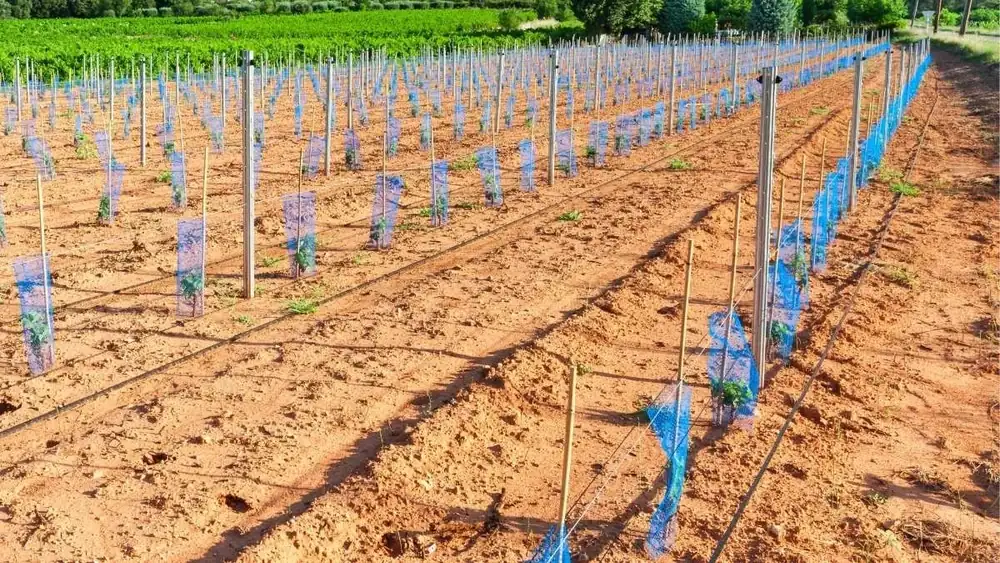
According to ASAJA, vineyard restructuring aid excludes many winegrowers in Castilla-La Mancha
The agricultural organization is demanding more funding before the second resolution and is questioning the effect of the depopulation criterion in the main producing areas.
Aid for the restructuring and conversion of vineyards in Castilla-La Mancha has generated concern among some winegrowers who applied for this aid in the 2026 call for proposals. ASAJA Castilla-La Mancha warns that a high percentage of applications could be excluded due to a lack of funding and is urging the Regional Ministry of Agriculture to increase the available funds before the second resolution, scheduled before October 15th.
According to data from the agricultural organization, only about 20% of the applications submitted by its members in Toledo were approved in the first round of funding, while in Ciudad Real the percentage was around 15%. ASAJA believes these figures justify a review of the budget allocation before the second round of funding is published.
The depopulation criterion, at the heart of the claim
One of the main points of contention raised by ASAJA is the depopulation criterion used in the call for proposals. The organization maintains that this system is particularly detrimental to some of the main wine-growing areas of Castilla-La Mancha, as certain municipalities with more than 5,000 inhabitants are excluded from the criteria despite having significant vineyard-related activity.
Among the towns mentioned by ASAJA are Corral de Almaguer, Villacañas, La Puebla de Almoradiel, Quintanar de la Orden, La Villa de Don Fadrique and Villanueva de Alcardete, in Toledo; and La Solana, Tomelloso, Manzanares, Alcázar de San Juan, Villanueva de los Infantes, Campo de Criptana and Socuéllamos, in Ciudad Real.
The agricultural organization points out that it had already submitted objections to the call for applications and had warned of the problems that, in its opinion, the design of the aid, and especially the depopulation criterion, could generate. It is now demanding an increase in the funding and that applications that meet the requirements be considered in the second round of decisions.
ASAJA also focuses on the application process. They explain that during the summer months, winegrowers and technicians have had to resolve issues and submit documentation to complete applications that could now be left without funding due to insufficient budget. The organization is demanding that the farmers' efforts not be wasted and is asking the Ministry of Agriculture to take action before the next decision is issued.
The call for applications includes a new resolution before October 15, so the matter remains open for the coming weeks. For ASAJA, the goal is to ensure the available budget allows for a greater number of applications to be processed and prevents eligible farmers from being excluded due to lack of funds.