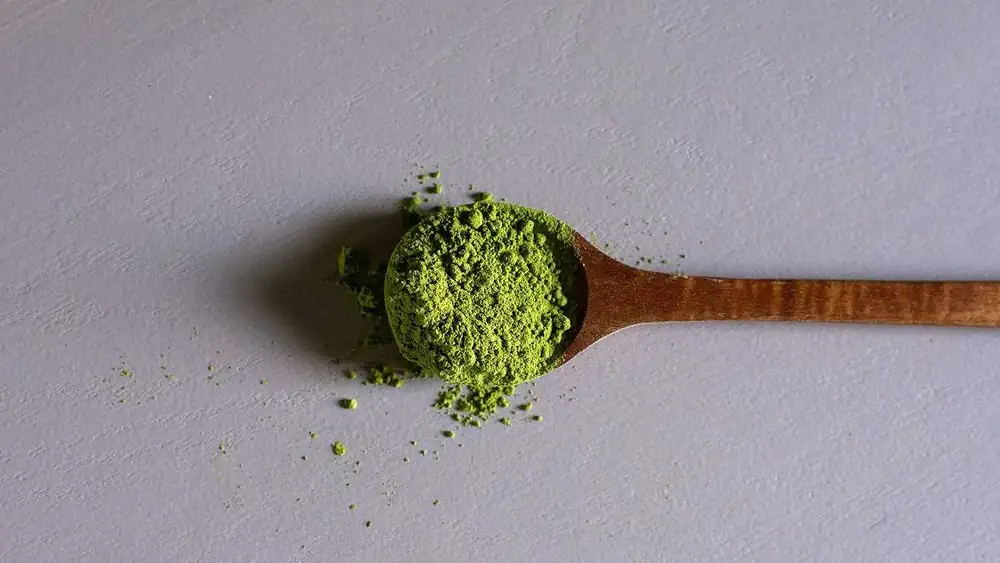
We drink too much matcha, and for Japan it's a problem
The question pops up recurringly in memes, comments, and social media forums: do we really like matcha, or is it just a pose?
Because while demand is endless and seemingly growing, matcha isn't at all. For Japan, this is obviously a problem, since the entire production process, traditionally a niche market, has found itself at the center of global insatiability. The pressure to satisfy it is intense, but the Japanese market is in crisis, due to climate change and competition with other countries.
Everyone's crazy about matcha
Well, yes, and we repeat: if you don't like matcha, you probably don't know how to make it. It's not just about taste, but also technique. You have to drink watered-down, ignobly sweetened, or, worse, freeze-dried matcha before you can appreciate the essence of a top-quality green tea, thick and creamy, so milky you don't even need it.
I understand, this is connoisseur talk. But if it's become a millennial status symbol that still holds up today, there must be a reason. From a niche Japanese product starring in a dedicated tea ceremony, matcha now belongs in large plastic cups filled with milk and syrup. Phone in hand, it's becoming the perfect accessory to communicate that you're aesthetic enough, healthy enough, international enough.
A trend that shows no signs of abating. Even in a fluid society like ours, where the attention span is equal to that of a finch suffering from temporary amnesia. And where trends consequently come and go: where avocado once existed, today there's ube, black sesame, and banana. Amidst the jumble of changing flavors lies matcha. Its success, like a Buddhist monk, remains immobile and immutable. Indeed, we might say it's poised on the crest of a wave.
Where we drink too much matcha
The global market figures speak volumes. Matcha sales are worth $4.2 billion, and projections for 2029 predict a 53 percent growth. Consumption is skyrocketing, and paradoxically, this doesn't affect Japan, where sencha remains the most popular tea. Matcha mania is hitting elsewhere, especially on the other side of the pond.
The United States is the country's largest market, accounting for 30 percent of all Japanese exports. Consumption has increased 250 percent since 2014, breaking all records. Australia is second only, with a 133 percent increase year-over-year. In both countries, matcha (most often in the form of matcha latte) has become a staple, a basic product offered by default in every coffee shop. Not to mention the specialized Japanese-inspired or Chinese-style bubble tea shops that are popping up everywhere, enjoying enormous success.
The boom hasn't spared Italy either. By 2025, sales of matcha tea products—which, remember, include not only soft drinks but also ice cream, mochi, flavorings for plant-based drinks, and more—had increased by 3 percent. This modest figure, however, corresponds to €9.6 million, and demonstrates the increasingly frequent presence of green tea in our daily lives. Sure, you might not find it at the sports bar, but in larger cities, matcha is becoming a regular occurrence.
Pressure on the Japanese market
Paradoxically, the only ones left with a bitter taste (and this time, it has nothing to do with the taste of matcha) are the Japanese. Instead of thriving, the market is literally being brought to its knees by the growing demand for powdered green tea. The real problem is that there isn't enough of it: "only" 4,000 tons, which isn't even enough to satisfy the American thirst, which requires at least 10,000 tons.
From bad to worse. Because over the past twenty years, production in Japan has decreased by 25 percent. The main causes are two: climate change and the aging of the workforce, namely the farmers. It's well known that the Japanese are very long-lived and stoic, but hunched over in the fields of tencha, the matcha cultivar, would break even the youngest and most vigorous.
And then there's competition from third countries, especially China, which produce lower-quality matcha but in much larger quantities. The situation is so critical that the Japanese government is taking direct action. To incentivize production, it has launched a subsidy plan to increase exports to 15,000 tons by 2030. And to prevent imitators, it has even considered including it in the indications of origin.
The final insult to this whole story concerns sencha, the most popular green tea in Japan. To make room for tencha, less and less is grown, and at the same time, prices have risen. Another paradox: while it's true that everyone wants to drink matcha, the Japanese who produce it are left with fewer and fewer options. So, let's at least try to give it the prestige and dignity it deserves. That is, drink less and drink better.